
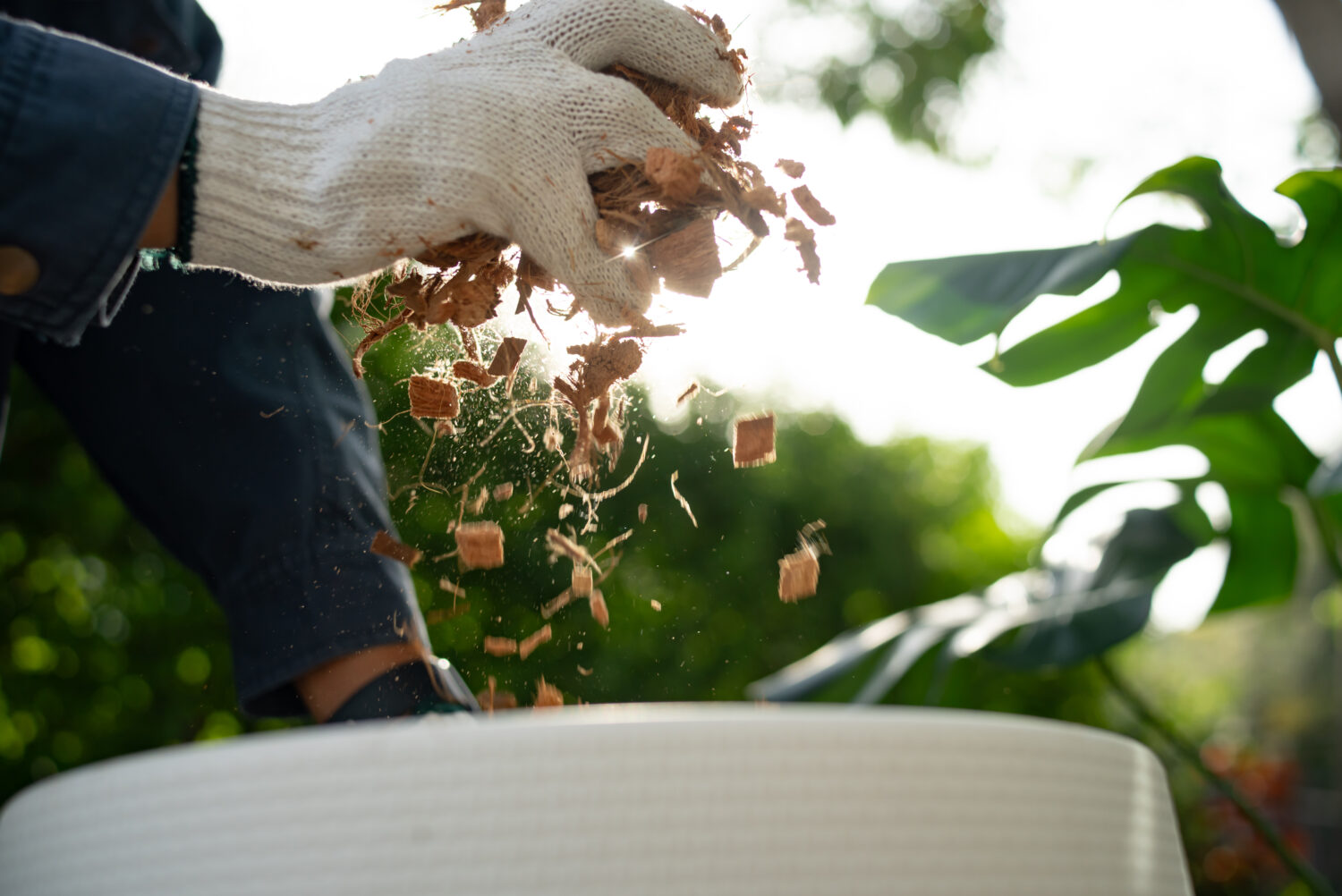
A compost bin does not have to become dormant just because the garden is slowing down. Fall and winter can actually be valuable seasons for composting, with fallen leaves, end-of-season garden material, and everyday kitchen scraps providing a steady supply of organic matter.
Cooler temperatures will naturally slow decomposition, especially in colder climates, but that does not mean the composting process has failed. A little seasonal maintenance can help keep the conditions inside your compost bin balanced and give you a head start on rich, finished compost for the garden when spring returns.
Keep Adding a Balance of Browns and Greens
Healthy compost depends on a mixture of carbon-rich “brown” materials and nitrogen-rich “green” materials. Fall happens to provide one of the best brown materials of all: dry leaves.
Kitchen scraps, coffee grounds, fresh garden trimmings and other moist materials provide nitrogen, while dry leaves, shredded cardboard, plain paper and dried plant material provide carbon. Adding both helps create the environment microorganisms need to continue breaking down organic matter.
If fall leaves are piling up around the yard, do not be too quick to bag them all. They can become an important part of your composting routine throughout the colder months. Our guide to composting leaves in fall explains how to put this seasonal resource to work in the garden.
Save Extra Leaves for Winter
One simple fall habit can make winter composting much easier: save some dry leaves.
Once trees have finished dropping their leaves, kitchen scraps may become the main source of new material going into your compost bin. Keeping a bag, covered container or small pile of dry leaves nearby gives you a ready supply of carbon-rich material to mix with those wetter food scraps.
Whole leaves can sometimes mat together, so breaking them up with a mower or crushing them before adding them can help maintain airflow. You do not need to make the material perfect. The goal is simply to avoid adding large, dense layers of wet or compacted material that restrict oxygen.
Watch the Moisture Level
Compost needs moisture, but too much water can push oxygen out of the pile and lead to unpleasant odors. Ideally, composting material should feel damp like a wrung-out sponge rather than soaking wet.
Fall rain, snow and reduced evaporation can all change the moisture level inside an outdoor compost bin. An enclosed system offers some protection from the weather, but it is still worth occasionally checking the material.
If the compost seems overly wet, mix in dry leaves, shredded cardboard or another brown material. If it has become unusually dry, adding naturally moist kitchen scraps or a small amount of water can help restore balance.
Remember That Airflow Still Matters
Composting is an aerobic process, which means the microorganisms responsible for decomposition need oxygen.
Traditional compost piles may need occasional turning to introduce fresh air. Tumbling composters make that process easier by allowing the container itself to rotate, while other compost bins use ventilation systems designed to encourage airflow naturally.
If you are comparing different approaches, our guide to choosing the right compost bin for your backyard looks at insulated systems, tumblers and larger traditional compost bins and how each fits different gardens.
Expect Composting to Slow Down in Cold Weather
A compost bin may be noticeably less active during winter, and that is normal.
The microorganisms that break down organic material are influenced by temperature. As outdoor temperatures fall, decomposition generally slows. In very cold conditions, material may temporarily freeze and become active again when warmer weather returns.
That means there is usually no reason to empty the bin or abandon your composting routine for the season. Continue adding appropriate materials, maintain a reasonable balance between wet and dry ingredients and allow the process to move at its natural winter pace.
If you begin filling your compost bin during late summer or early fall, much of that garden cleanup can already be well on its way toward becoming useful organic matter by spring. For more ideas, read how to turn end-of-summer garden waste into spring soil.
Avoid Problem Materials
Good compost bin maintenance is also about knowing what not to add.
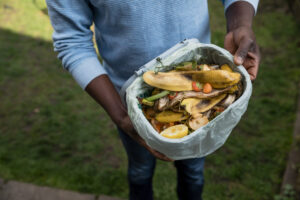
For most backyard composting systems, avoid meat, dairy products, greasy foods and other materials that can create odors or attract pests. Diseased garden plants should also be handled carefully, particularly if you are unsure whether your compost will reach temperatures high enough to destroy plant pathogens.
Instead, focus on fruit and vegetable scraps, coffee grounds, dry leaves, healthy garden trimmings, grass clippings and suitable paper or cardboard materials.
Let Winter Compost Build Better Spring Soil
The reward for maintaining a compost bin through the colder months comes when the growing season begins again.
Finished compost can be worked into vegetable gardens, added around established plants, used to refresh garden beds or incorporated into raised bed soil. Rather than sending seasonal garden waste and kitchen scraps away, composting allows those materials to return to the garden as organic matter.
Raised bed gardeners in particular can use finished compost to replenish soil that settles or loses organic matter over time. Learn more about using compost in raised beds to build healthier soil.
Choosing a Compost Bin for Year-Round Use
If year-round composting is the goal, the design of the compost bin can make seasonal maintenance easier. Insulation can help retain warmth, enclosed construction can discourage pests, and good ventilation can support the oxygen-loving microorganisms that drive aerobic composting.
The Aerobin composting guide takes a closer look at how an insulated, self-aerating system works and how to maintain the right composting environment with minimal turning.
There are also plenty of situations where another style of composter may make more sense. Smaller spaces may benefit from a tumbler, while larger gardens may need greater capacity for leaves, grass clippings and seasonal cleanup.
Keep Composting Through the Seasons
Winter composting does not need to be complicated. Continue adding a healthy mixture of materials, keep an eye on moisture, allow for airflow and remember that slower decomposition is part of the season.
Those kitchen scraps and fallen leaves are not simply waste waiting for spring cleanup. With the right compost bin, they can spend the winter becoming something the garden can use again.
Explore our selection of composters and accessories for options suited to different garden sizes and composting styles, including the best-selling Aerobin Composter, an insulated, self-aerating favorite designed to make year-round composting simpler with no regular turning required.