
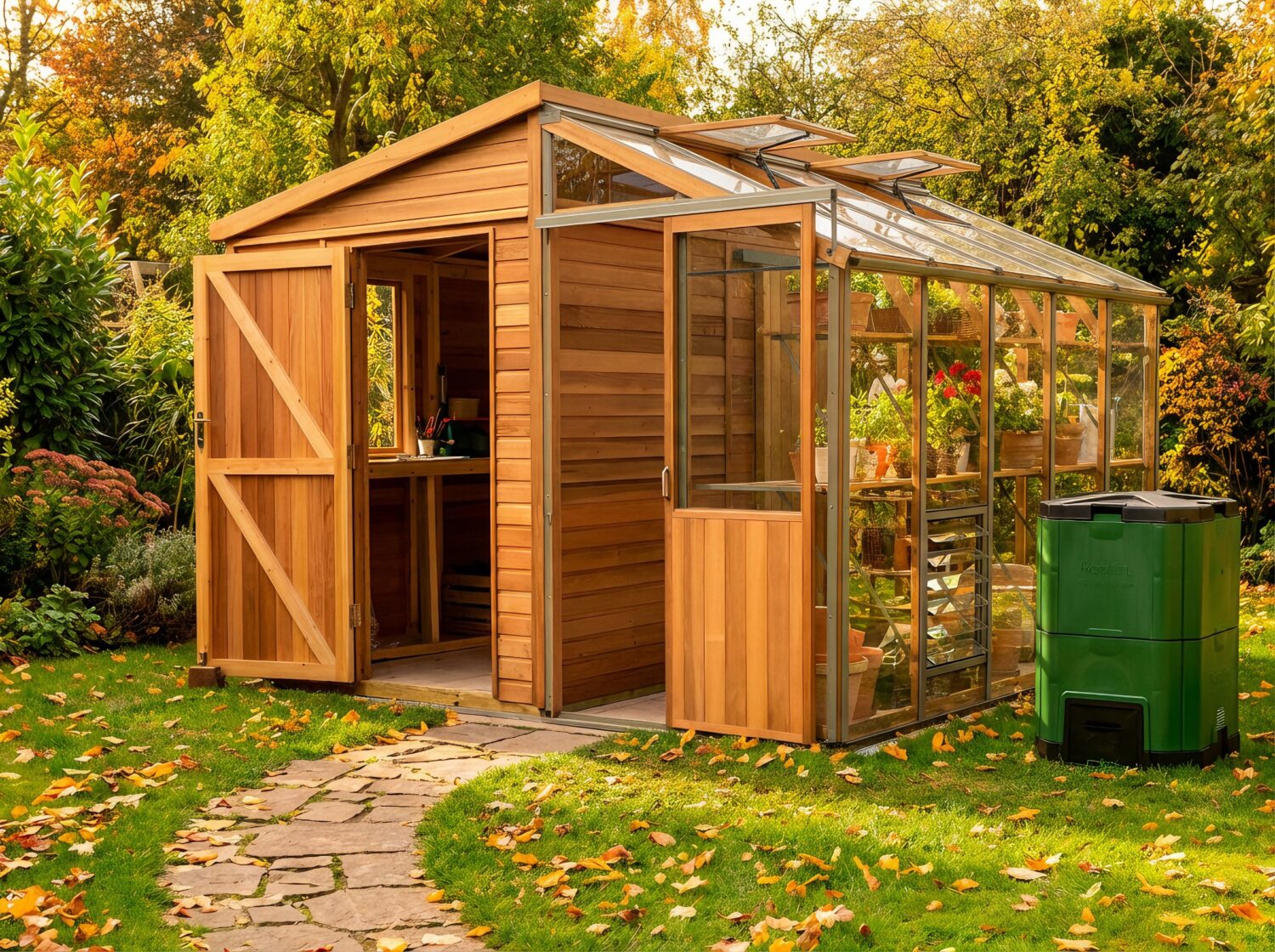
Compost for raised beds is one of the most valuable tools gardeners can use to build healthier soil, grow stronger plants, and enjoy more productive harvests. While gardeners often focus on seeds, watering schedules, and seasonal care, the real success of a thriving garden begins beneath the surface. Healthy soil forms the foundation of every successful raised bed, and compost is one of the best ways to improve it.
Compost is more than a simple soil amendment. It is living organic matter that helps improve structure, moisture balance, drainage, nutrient availability, and microbial activity. Whether you are growing vegetables, herbs, flowers, or a full kitchen garden, compost helps turn ordinary raised bed soil into a rich, productive growing environment.
If your plants seem weak, your soil dries out too quickly, or your harvests are not as abundant as you hoped, compost may be the missing piece.
Why Compost Matters in Raised Bed Gardening
Raised beds give gardeners more control over the growing environment. Instead of depending entirely on native soil, you can build a custom soil mix that supports strong roots and healthy plant growth.
That control is one of the greatest benefits of raised bed gardening, but it also means the soil needs regular care. Over time, plants draw nutrients from the bed, organic matter breaks down, and soil levels can settle. Adding organic compost helps refresh the bed naturally and keeps the growing environment productive season after season.
Compost helps raised beds by improving:
- Soil structure
- Moisture retention
- Drainage
- Nutrient availability
- Root development
- Soil biology
- Long-term garden productivity
In short, compost helps raised bed soil behave the way gardeners want it to behave. It holds enough moisture to support plants, drains well enough to prevent waterlogged roots, and creates a healthier home for beneficial organisms.
What Makes Good Raised Bed Soil?
The best raised bed soil is loose, fertile, well-draining, and rich in organic matter. It should be light enough for roots to spread easily, but substantial enough to hold water and nutrients between watering.
A healthy raised bed mix usually includes a combination of soil, compost, and other organic materials. Compost is especially important because it helps balance the entire system. In sandy mixes, compost improves moisture and nutrient retention. In heavier mixes, compost improves drainage and airflow around roots.
This balance matters because plant roots need both water and oxygen. Soil that dries out too quickly can stress plants, especially vegetables and herbs. Soil that stays too wet can limit oxygen and create poor growing conditions. Compost helps create the middle ground where plants thrive.
Compost Is Not Just Fertilizer
Many gardeners think of compost as fertilizer, but that is only part of the story. Compost does contain nutrients, but its greatest value is how it improves the soil itself.
Fertilizer feeds plants. Compost helps feed the soil ecosystem.
As compost breaks down, it supports beneficial microorganisms that help cycle nutrients and improve soil structure. These organisms are part of what makes soil alive. In a productive raised bed, living soil helps plants access nutrients more steadily and supports healthier growth over time.
This is why compost is so valuable for long-term gardening. It does not just give plants a quick boost. It builds better soil year after year.
How Compost Improves Kitchen Garden Soil
A productive kitchen garden asks a lot from the soil. Tomatoes, peppers, cucumbers, lettuce, beans, herbs, and other edible crops all need steady nutrition and consistent moisture to perform well.
That makes compost especially valuable for kitchen garden soil. By adding organic matter, compost helps raised beds support repeated planting, seasonal harvests, and intensive growing.
In kitchen gardens, compost can help:
- Support leafy growth in greens and herbs
- Improve root development for vegetables
- Help soil retain moisture during warm weather
- Replenish organic matter after heavy feeding crops
- Improve the texture of tired or compacted soil
For gardeners who grow food at home, healthy soil is the foundation of flavor, productivity, and plant resilience. A raised bed filled with compost-rich soil is easier to manage and more forgiving during periods of heat, heavy rain, or inconsistent watering.
How Much Compost Should You Add to Raised Beds?
The right amount of compost depends on whether you are filling a new raised bed or refreshing an existing one.
For a new raised bed, compost is usually blended with soil and other growing materials rather than used alone. A common approach is to make compost a meaningful portion of the mix while still allowing enough mineral soil and structure for drainage and root support.
For an existing raised bed, a seasonal top dressing is often enough to refresh the soil. Many gardeners add one to two inches of finished compost over the surface of the bed before planting, then gently mix it into the top few inches of soil.
Compost can also be added around established plants during the growing season. This helps feed the soil gradually while protecting the surface from drying out too quickly.
When to Add Compost to Raised Beds
Compost can be added at several points throughout the gardening year.
- Spring: Add compost before planting vegetables, herbs, and flowers.
- Summer: Side-dress heavy-feeding crops such as tomatoes, peppers, and cucumbers.
- Fall: Rebuild soil after harvest and prepare beds for the next season.
- Between crops: Refresh beds before planting a second round of greens, herbs, or cool-season vegetables.
Spring composting gives plants a strong start. Fall composting gives organic matter time to settle and improve the soil before the next growing season. Both are excellent habits for maintaining healthy raised bed soil.
Signs Your Raised Bed Soil Needs Compost
Raised beds often show signs when the soil needs attention. If your garden is not performing the way it used to, compost may help restore balance.
Look for these common signs:
- Soil dries out very quickly after watering
- Water pools on the surface instead of soaking in
- Plants grow slowly or look pale
- Harvests are smaller than expected
- Soil has become compacted or crusty
- The bed level has settled significantly
- Plants need more frequent watering than usual
These problems do not always mean the soil is poor, but they often point to low organic matter. Adding compost helps rebuild the soil’s ability to hold moisture, drain properly, and support strong root systems.
Homemade Compost vs. Purchased Compost
Both homemade and purchased compost can work well in raised beds.
Purchased compost is convenient, especially when filling new beds or working on a large garden project. It is easy to buy in bags or bulk, and it can help you get started quickly.
Homemade compost offers a different advantage. It turns everyday kitchen scraps, leaves, garden clippings, and other organic materials into a valuable soil amendment you can use again and again. For gardeners with raised beds, homemade compost creates a natural cycle: garden waste becomes compost, compost feeds the soil, and the soil grows the next harvest.
The best compost, whether homemade or purchased, should be dark, crumbly, earthy-smelling, and fully decomposed. Avoid adding unfinished compost directly around young plants, since materials that are still breaking down can temporarily tie up nutrients or create uneven growing conditions.
What Can Go into Homemade Compost?
Home composting works best when you balance nitrogen-rich “green” materials with carbon-rich “brown” materials.
Green materials include:
- Vegetable scraps
- Fruit peels and cores
- Coffee grounds
- Tea leaves
- Fresh grass clippings
- Spent garden plants that are disease-free
Brown materials include:
- Dry leaves
- Shredded paper
- Small twigs
- Straw
- Cardboard pieces
- Dried plant stems
A good compost system also needs air and moisture. The goal is for materials to stay damp like a wrung-out sponge, not soggy. Too much moisture can slow decomposition and create odors. Too little moisture can stop the process altogether.
Compost and the No-Waste Kitchen Garden
One of the most inspiring parts of composting is how it connects the kitchen and the garden.
In a kitchen garden, scraps from meal preparation can become part of the next growing cycle. Carrot tops, lettuce leaves, herb stems, coffee grounds, and vegetable peels can all be transformed into organic matter that improves future raised bed soil.
This creates a more sustainable gardening routine. Instead of treating organic scraps as waste, composting turns them into a resource. For gardeners who care about productivity, soil health, and sustainability, composting is one of the simplest habits to build.
Using Compost as a Top Dressing
Top dressing is one of the easiest ways to use compost in raised beds.
To top dress a raised bed, spread a thin layer of finished compost across the soil surface. Water it in gently and allow natural soil life, rain, irrigation, and root activity to help incorporate it over time.
This method is especially useful around established plants because it improves soil without disturbing roots. It also helps protect the soil surface from drying out too quickly.
For vegetables and herbs, top dressing can be done during the growing season when plants need extra support. It is especially helpful for long-season crops such as tomatoes, peppers, eggplants, squash, and cucumbers.
Common Compost Mistakes to Avoid
Compost is forgiving, but a few mistakes can cause problems in raised beds.
- Using unfinished compost: Compost should be dark, crumbly, and earthy before being added near plants.
- Adding too much at once: Compost is beneficial, but raised beds still need a balanced soil mix.
- Letting compost dry out completely: Microbial activity slows when compost becomes too dry.
- Using diseased plant material: Avoid composting diseased plants unless you know your compost system reaches proper temperatures.
- Ignoring soil testing: Compost improves soil, but a soil test can help identify specific nutrient needs.
The goal is not to overwhelm the bed with compost. The goal is to use compost consistently as part of a long-term soil-building routine.
Raised Beds Make Soil Building Easier
Raised beds are ideal for gardeners who want better control over soil quality. Because the growing space is contained, every improvement you make stays concentrated where plants need it most.
Exaco’s raised garden beds are designed to create organized, productive growing areas for vegetables, herbs, and flowers. Whether you are building a kitchen garden, refreshing a backyard growing space, or adding raised beds near a greenhouse, a dedicated bed makes soil care simpler and more efficient.
You can also explore options such as the Rectangular Raised Bed System or the Kombi Raised Bed & Cold Frame for flexible growing setups.
Build Better Compost with the Aerobin
If you want a steady source of compost for raised beds, a dedicated composter can make the process much easier.
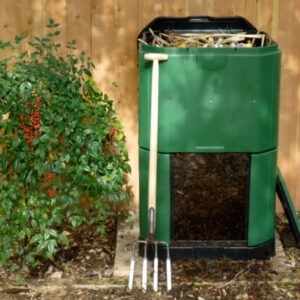
The Aerobin Composter is designed for gardeners who want an efficient, low-maintenance way to turn kitchen and garden waste into rich compost. Its insulated design helps support year-round composting, while its internal aeration system encourages oxygen flow through the material without frequent turning.
For raised bed gardeners, that means everyday organic waste can become a valuable ingredient for healthier soil. Vegetable scraps, dry leaves, coffee grounds, and garden clippings can all be part of a composting routine that supports more productive planting beds.
The Aerobin is especially helpful for gardeners who want:
- A cleaner alternative to an open compost pile
- Efficient composting in a contained system
- Improved airflow without constant turning
- A way to recycle kitchen and garden waste
- A steady source of organic matter for raised beds
For more composting tips, read our guide to no-stir Aerobin composting and our overview of composting systems for sustainable gardening.
Grow Healthier Gardens from the Ground Up
Productive gardens are built from the soil up. By using compost for raised beds, you can improve raised bed soil, add valuable organic compost, and create healthier kitchen garden soil for vegetables, herbs, flowers, and seasonal harvests.
Compost helps your garden become more resilient, more productive, and more sustainable over time. It supports stronger roots, better moisture balance, and a richer soil ecosystem that improves with every season.
Ready to turn kitchen scraps and garden waste into healthier soil? Shop the Aerobin Composter and start building better compost for more productive raised beds.