
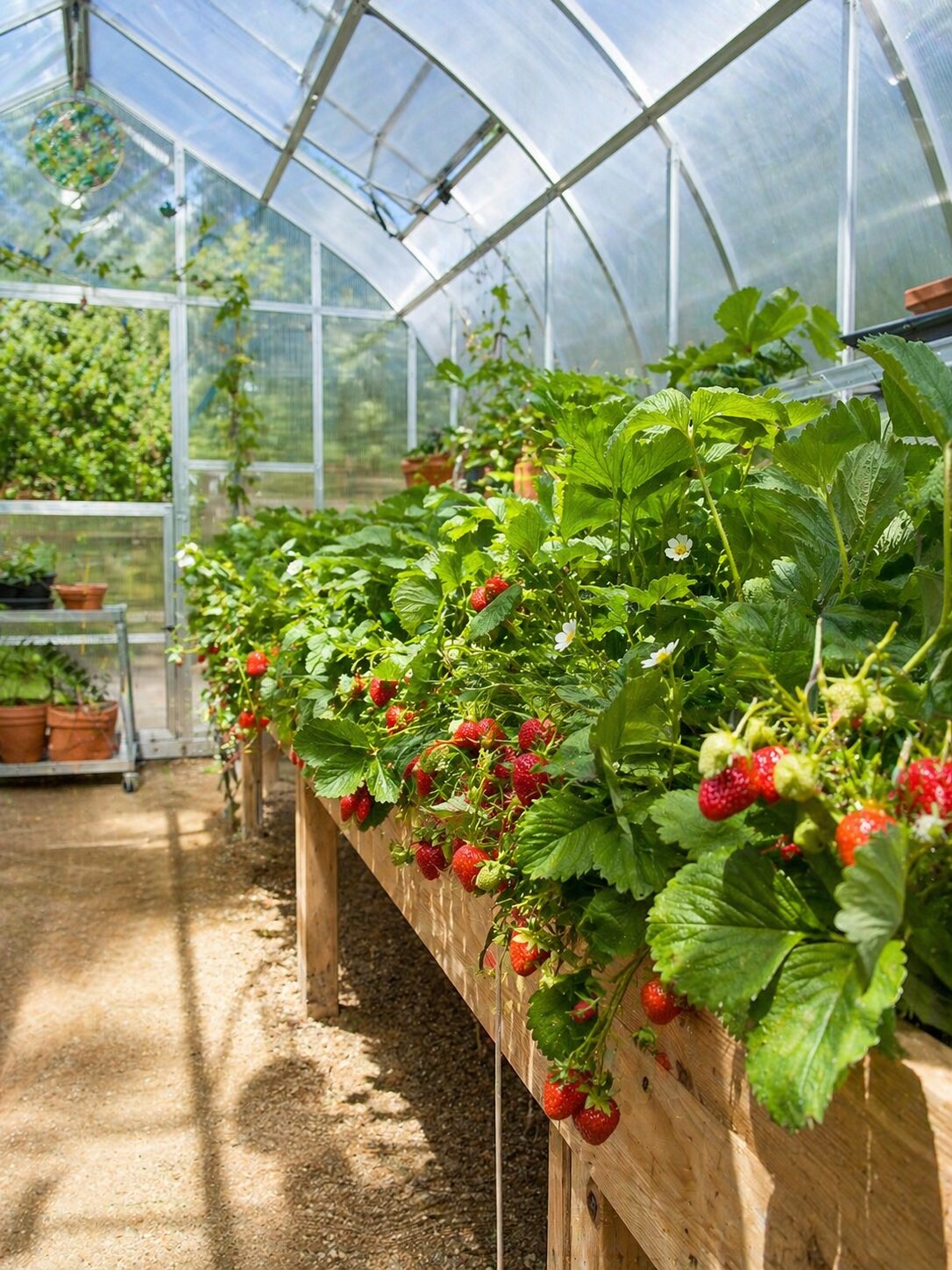
With the right environment, strawberries can move beyond their traditional growing season and become a regular part of your garden year-round.
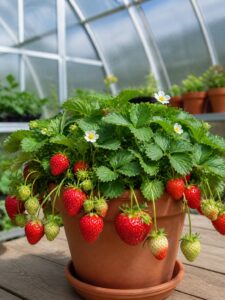
Can you grow strawberries year-round?
Yes, strawberries can be grown year-round in a controlled environment such as a greenhouse.
Outdoors, strawberries follow natural seasonal cycles. They go dormant in winter, produce heavily in late spring or early summer, and then slow down. This pattern is difficult to change without protection.
A greenhouse allows you to:
- Maintain stable temperatures
- Extend available light
- Protect plants from frost and weather stress
With these conditions in place, strawberries can continue flowering and producing fruit well beyond their normal season.
What type of strawberries grow best year-round?
The best strawberries for year-round growing are day-neutral and everbearing varieties.
- Day-neutral strawberries produce fruit consistently regardless of daylight length.
- Everbearing strawberries produce multiple harvests throughout the year.
June-bearing varieties are not ideal for year-round growing because they are designed for one large seasonal harvest, even when grown in a greenhouse setting.
What conditions do strawberries need in a greenhouse?
Strawberries grow best in a stable, controlled environment.
Key greenhouse conditions include:
- Temperatures between 60°F and 80°F
- Protection from frost and extreme heat
- Good ventilation to prevent humidity buildup
- Consistent watering without overwatering
Light is especially important during winter. A well-designed greenhouse captures more natural light, helping plants remain productive even during shorter days.
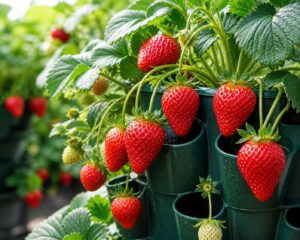
Do strawberries grow well in small greenhouse spaces?
Yes, strawberries are one of the best crops for small greenhouse spaces.
They can be grown in:
- Raised beds
- Vertical growing systems
- Compact layouts designed for efficiency
Because strawberries do not require deep root space, even a small greenhouse can produce a steady harvest when conditions are managed properly.
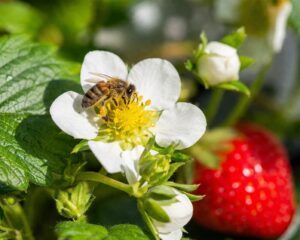
How are strawberries pollinated in a greenhouse?
Strawberries require pollination to produce fruit, and in a greenhouse this may need support.
Pollination methods include:
- Allowing airflow through vents
- Gently hand-pollinating flowers
- Introducing pollinators in larger greenhouse setups
These simple techniques help ensure consistent fruit development.
Why does a greenhouse make year-round growing possible?
A greenhouse removes the environmental limitations that normally restrict strawberry growth.
It provides:
- A longer growing season
- Protection from unpredictable weather
- Greater control over temperature and moisture
- A more consistent growing environment
This allows strawberries to produce fruit beyond their natural outdoor cycle.
Is growing strawberries year-round worth it?
For many gardeners, the answer is yes.
Instead of a short seasonal harvest, you gain:
- Ongoing production
- More consistent yields
- Greater control over growing conditions
It also changes how you experience gardening. Harvests become more frequent, and the growing season feels less limited.
A sweeter way to grow
There is a noticeable shift when you begin growing in a greenhouse.
The garden becomes more controlled, more predictable, and more productive. You are no longer working around the seasons in the same way. Instead, you shape the environment to suit what you want to grow ad when you want to grow it. For many, strawberries are often where it starts.
For gardeners ready to extend their growing season, a well-built greenhouse plays a central role. Designs like our Riga polycarbonate greenhouses are engineered for durability and climate control, with features such as polycarbonate glazing, ample ventilation, and a unique onion shape designed to handle snow and wind efficiently, even in the harshest climates.
With the right setup, growing strawberries in containers year-round becomes not just possible, but practical.
Where will your gardening journey take you next?
Subscribe to our newsletter to stay in the loop with greenhouse growing tips, seasonal inspiration, and the latest from Exaco.