
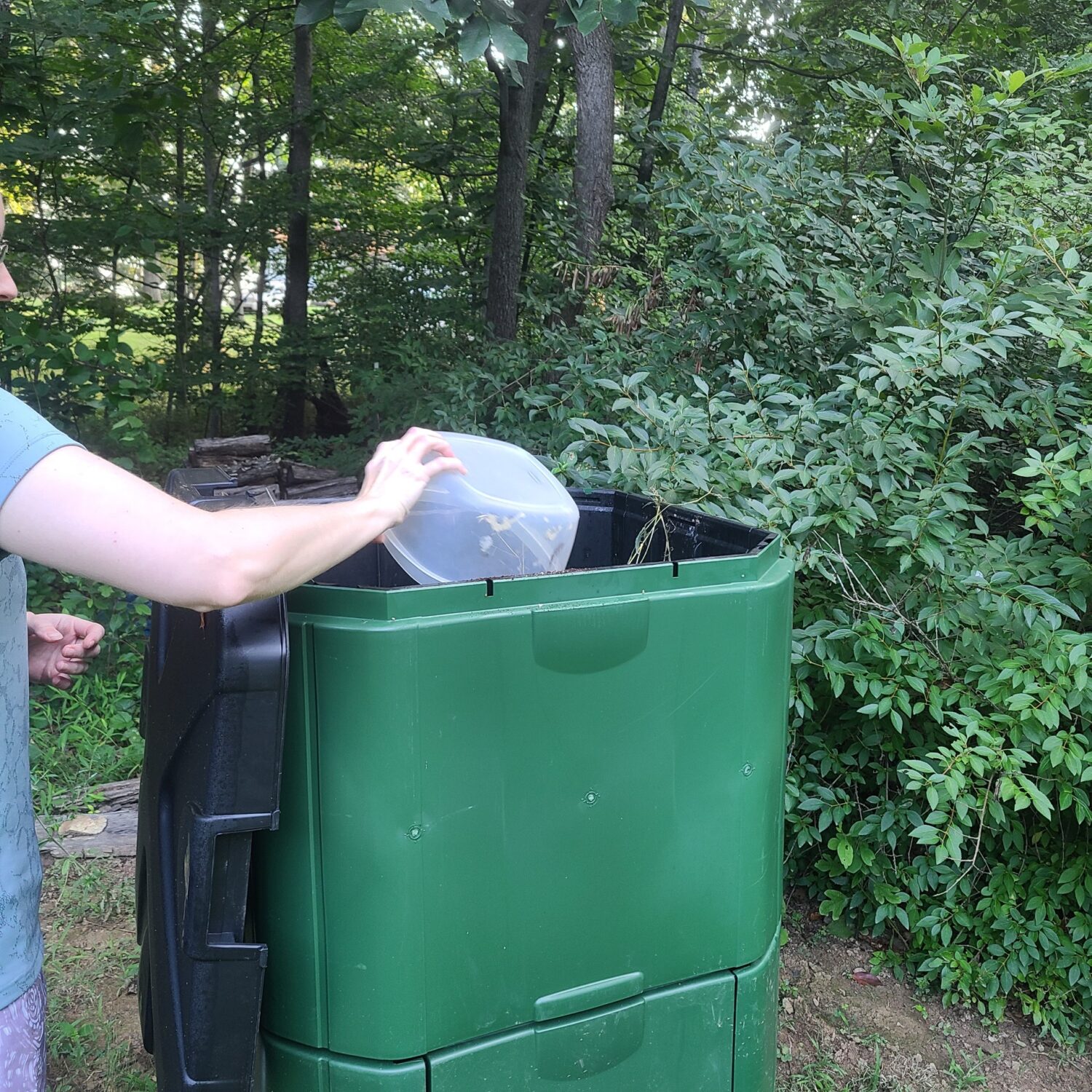
Composting leaves is one of the easiest ways to turn autumn yard cleanup into healthier soil for next spring. Instead of bagging and hauling away fallen leaves, you can recycle them into nutrient-rich compost that improves soil structure, feeds beneficial microorganisms and helps your lawn, flower beds and vegetable gardens thrive naturally.
Every fall, trees provide one of nature’s best soil builders completely free of charge. Combined with kitchen scraps and other compostable materials, leaves become the foundation of rich organic compost that returns valuable nutrients to the soil while reducing household waste. Whether you’re composting for the first time or looking to improve your current system, autumn is the ideal season to get started.
Why Fall Is the Best Time to Start Composting
Autumn naturally provides nearly everything a compost pile needs. Carbon-rich leaves are available in abundance, gardens are being cleaned up for the season and kitchen scraps continue providing nitrogen-rich materials that fuel decomposition.
Starting your compost pile in the fall also gives beneficial microorganisms several months to begin breaking down organic matter before spring planting begins. Even when temperatures cool, decomposition rarely stops completely. Larger compost piles and insulated composting systems retain warmth more effectively, allowing beneficial bacteria and fungi to remain active whenever conditions allow.
Instead of viewing leaves as yard waste, think of them as next season’s compost waiting to happen.
Why Leaves Make Excellent Compost
Leaves are often called “brown” materials because they provide carbon, the primary energy source for the microorganisms responsible for composting. Nitrogen-rich “green” materials—including vegetable scraps, coffee grounds, fresh grass clippings and garden trimmings—provide the protein these microorganisms need to grow and multiply.
As compost begins breaking down, bacteria quickly consume softer organic materials while fungi gradually decompose tougher, more fibrous leaves. Earthworms and other beneficial organisms eventually join the process, helping transform what was once yard waste into dark, crumbly compost rich in organic matter.
Finished compost does much more than fertilize plants. It improves soil structure, loosens compacted clay, helps sandy soils retain moisture, supports healthy microbial life and encourages stronger root development. Healthy soil grows healthier plants, making compost one of the most valuable soil amendments homeowners can create naturally.
Understanding Browns and Greens
One of the biggest misconceptions about composting is that leaves alone make the perfect compost pile. While they will eventually break down, combining leaves with nitrogen-rich materials dramatically speeds the process and produces a healthier finished compost.
Brown Materials
- Dry autumn leaves
- Shredded cardboard
- Plain paper
- Small twigs
- Dried garden plants
Green Materials
- Fruit and vegetable scraps
- Coffee grounds
- Fresh grass clippings
- Garden trimmings
- Spent annual flowers
A simple guideline is to use two or three parts brown material for every one part green material. This balance provides microorganisms with the carbon and nitrogen they need while helping control moisture and odors.
Should You Shred Leaves?
Whenever possible, yes.
Whole leaves eventually decompose, but shredding them speeds the process considerably. Smaller pieces expose more surface area for bacteria and fungi while preventing leaves from forming dense layers that restrict airflow.
Running leaves over with a lawn mower before adding them to your compost pile is often all that’s needed. Shredded leaves also mix more evenly with kitchen scraps and create a finer finished compost that’s easier to spread throughout the garden.
Which Leaves Compost Best?
Most deciduous tree leaves compost exceptionally well. Maple, birch, ash, elm and fruit tree leaves generally break down quickly, especially when shredded.
Thicker leaves, including oak and magnolia, simply take longer because they contain more lignin, the natural compound that gives leaves their structure. They still make excellent compost and are well worth adding to your pile.
Avoid composting heavily diseased leaves whenever possible, as some plant diseases may survive in cooler compost piles. Black walnut leaves contain juglone, a naturally occurring compound that can affect certain plants, so many gardeners prefer to compost them separately.
The Three Keys to Successful Composting
Moisture
Your compost should feel like a wrung-out sponge—damp but never soaking wet. Excess water pushes oxygen out of the pile, while overly dry materials slow decomposition.
Oxygen
Composting is an aerobic process, meaning beneficial microorganisms require oxygen to thrive. Turning a traditional compost pile occasionally introduces fresh air while redistributing moisture throughout the pile.
Balance
A healthy compost pile depends on maintaining a good balance between carbon-rich leaves and nitrogen-rich green materials. If your compost develops unpleasant odors, adding more dry leaves and gently mixing the pile usually restores the proper balance.
Common Composting Mistakes
- Adding only leaves without enough nitrogen-rich materials.
- Allowing the compost to become waterlogged.
- Letting the pile dry out completely.
- Creating thick layers of whole leaves that block airflow.
- Adding meat, dairy or greasy foods that attract pests.
- Expecting finished compost in only a few weeks.
Good compost develops over time. With the right balance of moisture, oxygen and ingredients, nature does most of the work for you.
Choosing the Right Composting System
There isn’t one composting method that’s right for every homeowner. The best system depends on the amount of yard waste you generate, the space you have available and how involved you want to be in maintaining your compost.
Open Compost Piles
An open pile is the simplest and least expensive option. It’s well suited for larger properties where appearance isn’t a concern and there’s plenty of room to turn the pile occasionally.
Wire Compost Bins
Wire bins help contain leaves while allowing excellent airflow. They’re an affordable choice for homeowners who generate a moderate amount of yard waste each fall.
Tumbling Composters
Tumbling composters make mixing easy and help introduce oxygen without using a pitchfork. Their main limitation is capacity, as they can fill quickly during peak leaf season.
Insulated Composting Systems
If you compost throughout the year, an insulated composting system offers several advantages. Better heat retention, improved airflow and enclosed construction help maintain ideal composting conditions while reducing maintenance and discouraging pests.
Our complete Aerobin composting guide explains how internal aeration and insulation create an efficient composting environment with minimal turning. The Aerobin 200 is ideal for smaller households or patios, while the larger Aerobin 400 provides additional capacity for families and gardeners managing larger amounts of leaves, kitchen scraps and seasonal yard waste.
How to Know When Compost Is Ready
Finished compost looks and smells very different from the materials you started with. Instead of recognizable leaves and food scraps, you’ll have a dark brown, crumbly material with a fresh, earthy smell.
While a few small pieces of leaves may still be visible, they should break apart easily in your hand. If the compost still smells sour or you can clearly identify most of the original ingredients, it needs more time.
How to Use Finished Compost
Finished organic compost is one of the most useful products you can add to your landscape. Rather than acting like a quick-release fertilizer, compost improves the soil itself, helping plants access water and nutrients more efficiently.
Use finished compost to:
- Amend vegetable gardens before planting.
- Refresh raised beds each growing season.
- Top-dress flower beds and perennial borders.
- Improve soil around trees and shrubs.
- Blend into container potting mixes.
- Repair tired lawn areas before overseeding.
Adding compost every year gradually builds healthier soil that supports stronger roots, better drainage and improved moisture retention.
Frequently Asked Questions
Can I compost leaves without a compost bin?
Yes. A simple backyard pile works well if it’s kept moist and occasionally turned. Compost bins simply help contain materials and can improve airflow and heat retention.
How long does it take leaves to compost?
Shredded leaves mixed with green materials may produce finished compost in several months. Whole leaves generally take longer, sometimes up to a year depending on conditions.
Can I compost leaves and grass clippings together?
Absolutely. Grass clippings provide nitrogen that balances the carbon found in leaves, creating a healthier compost pile.
Why does my compost smell?
Strong odors usually indicate too much moisture or not enough oxygen. Mix in additional dry leaves, fluff the pile and avoid adding excessive food scraps at one time.
Can compost continue working during winter?
Yes. Decomposition slows as temperatures drop but rarely stops completely. Larger piles and insulated composters often remain active throughout much of the winter.
Should I add worms to my compost?
Most backyard compost piles naturally attract earthworms as materials begin breaking down. While worms are beneficial, bacteria and fungi perform most of the early decomposition.
Turn Fall Leaves into Next Year’s Best Garden
Every autumn, nature provides homeowners with an abundant source of free organic matter. Instead of sending leaves to the curb, composting them returns valuable nutrients to your own landscape while reducing waste and improving soil for years to come.
Whether you build a traditional backyard compost pile or choose an enclosed composting system, the process is remarkably simple. Maintain a balance of carbon-rich leaves and nitrogen-rich materials, provide adequate moisture and airflow, and let nature do the rest.
By the time spring arrives, those colorful leaves that once covered your lawn can become one of the most valuable resources in your garden—rich, living compost that helps vegetables, flowers, trees and shrubs grow stronger season after season.