
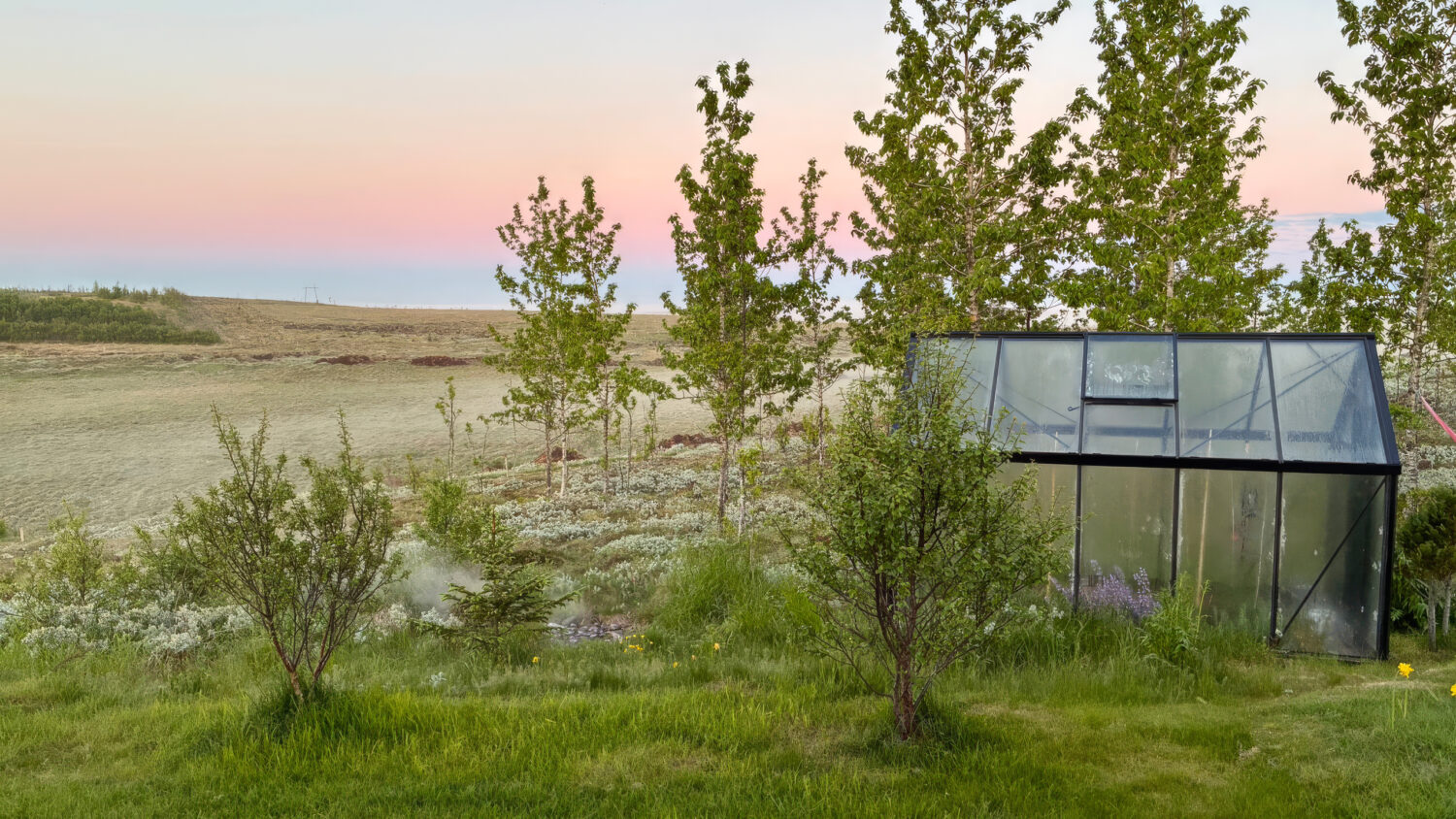
For centuries, the European kitchen garden has blended beauty and practicality into one elegant outdoor space. Traditionally known as a potager, these gardens were designed to keep fresh vegetables, herbs, flowers, and fruit within easy reach of the home while creating a landscape that was every bit as beautiful as it was productive.
Today, homeowners are rediscovering these timeless kitchen garden ideas by combining raised beds, ornamental plantings, and elegant European greenhouses that extend the growing season while serving as the centerpiece of the garden. Whether you have a spacious backyard or a compact urban landscape, you can bring the charm of a traditional European kitchen garden home.
What Is a European Kitchen Garden?
Unlike a standard vegetable patch, a European kitchen garden is carefully planned with both aesthetics and harvests in mind. Symmetrical layouts, gravel pathways, raised planting beds, flowering borders, and an elegant greenhouse all work together to create a garden that is inviting in every season.
Historic estates throughout Belgium, England, and France often placed beautiful glasshouses at the heart of the garden, allowing gardeners to start seedlings earlier, overwinter tender plants, and enjoy fresh produce well beyond the traditional growing season. If you’re planning a greenhouse, choosing the right location is one of the most important decisions you’ll make. Our guide on greenhouse orientation can help you maximize sunlight and growing success.
Why European Glasshouses Belong in a Kitchen Garden
A traditional glasshouse is much more than a place to grow plants—it’s the architectural focal point of the garden. A thoughtfully designed greenhouse allows you to start vegetables weeks before the last frost, extend harvesting into fall and winter, protect seedlings from unpredictable weather, and grow crops such as tomatoes, peppers, herbs, and citrus more successfully.
Many gardeners choose the timeless elegance of the Janssens Victorian greenhouse collection for its classic European styling, while others prefer the warmth and craftsmanship of the Alton cedar greenhouse collection. Both create a beautiful centerpiece that complements surrounding planting beds.
1. Surround Your Greenhouse with Raised Beds
One of the easiest ways to recreate a traditional European kitchen garden is by arranging raised garden beds around your greenhouse. Raised beds improve drainage, create healthier soil conditions, reduce bending while gardening, and give the landscape an organized appearance.
For the most authentic European feel, position beds symmetrically around the greenhouse and connect them with gravel or stone pathways.
2. Create a Victorian Greenhouse Garden
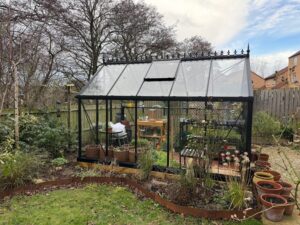
A true Victorian greenhouse garden blends ornamental beauty with productive growing. Instead of treating the greenhouse as a separate structure, surround it with lavender, climbing roses, boxwood hedges, espalier fruit trees, and seasonal flowers that soften the architecture while supporting pollinators.
If you love this classic style, you’ll also enjoy our article on English garden inspiration for Victorian glasshouses, which explores design ideas inspired by traditional European estates.
3. Mix Vegetables with Flowers
European kitchen gardens rarely separate edible crops from ornamental plants. Tomatoes grow alongside marigolds, kale shares space with flowering annuals, and fragrant herbs weave throughout perennial borders. This approach encourages beneficial insects, supports pollinators, and creates a garden that’s beautiful from spring through fall.
4. Add Natural Gravel Pathways
Gravel pathways instantly create the relaxed elegance found in many European gardens. Crushed stone or fine gravel provides excellent drainage while connecting raised beds, greenhouse entrances, and seating areas. Wide paths also make harvesting and maintenance more enjoyable throughout the growing season.
5. Keep Herbs Close to the Kitchen
No European kitchen garden feels complete without a generous collection of culinary herbs. Rosemary, thyme, sage, oregano, basil, parsley, and chives are all easy to harvest when planted near the home’s entrance or just outside the greenhouse door.
Many gardeners dedicate an entire raised bed to herbs while using the greenhouse to protect more tender varieties during colder months.
6. Grow Vertically
Traditional European gardens make excellent use of vertical growing space. Espalier apple trees, climbing beans, cucumbers, peas, and trellised tomatoes not only maximize production but also add architectural structure throughout the garden.
7. Add Water to the Garden
The gentle sound of moving water has long been part of European garden design. A thoughtfully placed garden fountain or elegant bird bath attracts birds and pollinators while creating a peaceful atmosphere among vegetables, herbs, and flowering borders.
8. Garden Beyond Summer
One of the greatest advantages of a European greenhouse is the ability to garden well beyond the traditional growing season. Start spring seedlings earlier, continue harvesting leafy greens into winter, protect herbs from frost, and enjoy a longer tomato season.
Proper ventilation is just as important as extending the season. Our guide to greenhouse cooling systems explains how to keep plants healthy during the hottest months of the year.

Build Your Kitchen Garden One Step at a Time
You don’t need a large country estate to create an inspiring kitchen garden. Begin with one or two raised beds, a collection of herbs, gravel pathways, and a compact greenhouse. As your garden grows, add flowering borders, climbing plants, fruit trees, and decorative accents that reflect your personal style.
Over time, your kitchen garden will become more than a place to grow vegetables—it will become a beautiful outdoor room that invites you to spend more time outside while enjoying fresh harvests throughout the seasons.
Bring Timeless European Garden Style Home
Traditional European kitchen gardens remind us that productive landscapes can also be beautiful. By combining elegant glasshouses, raised beds, flowering borders, and thoughtful design, you can create an outdoor space that offers fresh food, seasonal beauty, and year-round enjoyment.
Explore our collection of European greenhouses, raised garden beds, and other premium garden products to begin creating your own timeless kitchen garden.