
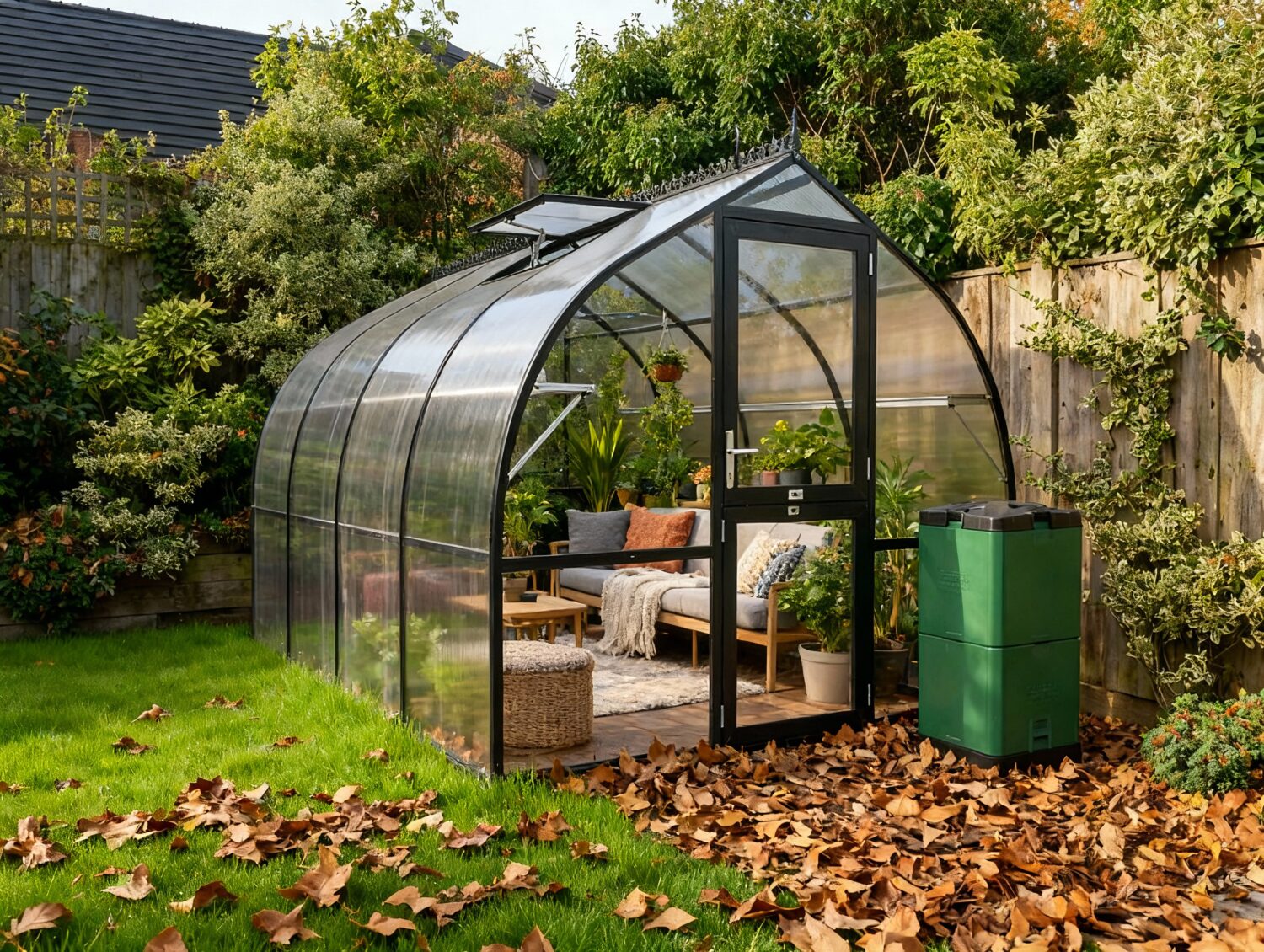
The Aerobin compost bin gives all that end-of-summer garden waste somewhere better to go than the curb.
By late summer, vegetable plants are winding down, flowers need deadheading, grass is still growing, and pruning produces another armful of clippings. Before long, the first fallen leaves will join the pile.
Instead of hauling all that organic material away, put it to work. End-of-summer garden waste is valuable compost material, and starting now gives it plenty of time to begin breaking down before spring planting season arrives. With the Aerobin, you can add garden and kitchen waste, maintain a good mixture of materials, and let the composting process do much of the work.
What Can You Compost From the Late-Summer Garden?
Garden cleanup can produce an impressive amount of compostable material.
Depending on what’s growing in your yard, your Aerobin compost bin can start filling up with:
- Grass clippings
- Spent annuals and vegetable plants
- Healthy plant trimmings
- Wilted flowers
- Small amounts of soft pruning material
- Dry plant material
- Fallen leaves
- Fruit and vegetable scraps from the kitchen
The goal is to create a mixture of nitrogen-rich greens and carbon-rich browns.
Fresh grass clippings, green plant material, and kitchen scraps provide nitrogen. Dry leaves, dried stems, and other dry organic material provide carbon. Combining the two gives the microorganisms responsible for decomposition a much better environment to work in.
If you’re new to the process, the guide to composting with the Aerobin takes a deeper look at how aerobic composting works and how to get started.
Save Those Leaves
Late-summer cleanup is only the beginning. Fall is about to deliv
er one of the best compost ingredients around for free: leaves.
Rather than bagging every fallen leaf for collection, add dry leaves to your compost bin or save some for later. They’re a useful carbon-rich brown material that can help balance wetter kitchen scraps, grass clippings, and fresh garden waste.
Large quantities of whole leaves can mat together, so shredding them with a mower or breaking them up before adding them can help them decompose more efficiently.
Your autumn leaf pile isn’t necessarily a chore. It’s next year’s soil waiting to happen.
Why the Aerobin Compost Bin Works So Well for Seasonal Cleanup
A traditional compost pile works, but it can require space, attention, and regular turning.
The Aerobin 400 compost bin takes a different approach.
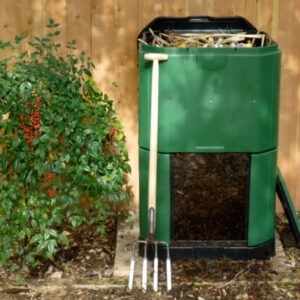
Its double-wall insulated construction helps retain warmth inside the bin, while the patented internal lung system promotes continuous airflow through the composting material. This supports aerobic decomposition without requiring regular turning or tumbling.
That becomes especially useful as summer moves into fall. Garden debris, fallen leaves, and kitchen scraps can continue going into the Aerobin while the enclosed composting system works in the background.
The Aerobin also features lower access doors for harvesting finished compost and a built-in reservoir that collects liquid produced during the composting process.
Not sure which type of compost bin is right for your garden? Read the guide to choosing the right composting system for your backyard.
A Little Variety Goes a Long Way
One of the easiest mistakes to make during garden cleanup is filling your compost bin with too much of one thing.
Mow the lawn and suddenly you have a mountain of grass clippings. A few weeks later, you may have nothing but leaves.
Instead, mix materials as you go.
Add fresh green material, then some dry brown material. If you have a particularly wet layer, balance it with something dry. Avoid packing everything down too tightly, since airflow is an important part of aerobic composting.
You don’t need to make composting complicated. Variety, moisture, and oxygen do most of the heavy lifting.
What Should Stay Out of Your Compost Bin?
Not everything from the garden belongs in your compost.
It’s generally best to avoid adding diseased plant material, chemically treated materials, meat, dairy products, and other items that may create problems in a backyard composting system.
When cleaning up spent plants at the end of summer, take a moment to separate healthy organic material from anything showing signs of disease before adding it to your Aerobin composter.
Today’s Garden Cleanup Can Feed Next Spring’s Garden
This is where composting gets satisfying.
The plants you remove at the end of this growing season can eventually return to the garden as rich organic compost that helps improve the soil for what you grow next.
Finished compost can be worked into vegetable beds, added around flowers, used to refresh established garden beds, or mixed into raised beds before another growing season begins.
If raised-bed gardening is part of your plans, learn more about using compost to build healthier soil in raised beds.
It’s a simple cycle:
Grow. Clean up. Compost. Feed the soil. Grow again.
So when the end-of-summer garden starts looking a little tired, don’t be too quick to call everything waste.
Your next garden may already be sitting in the one you’re cleaning up.
Turn Garden Waste Into Something Better
Put end-of-summer clippings, kitchen scraps, and fall leaves to work with an insulated compost bin designed to keep composting simple.