
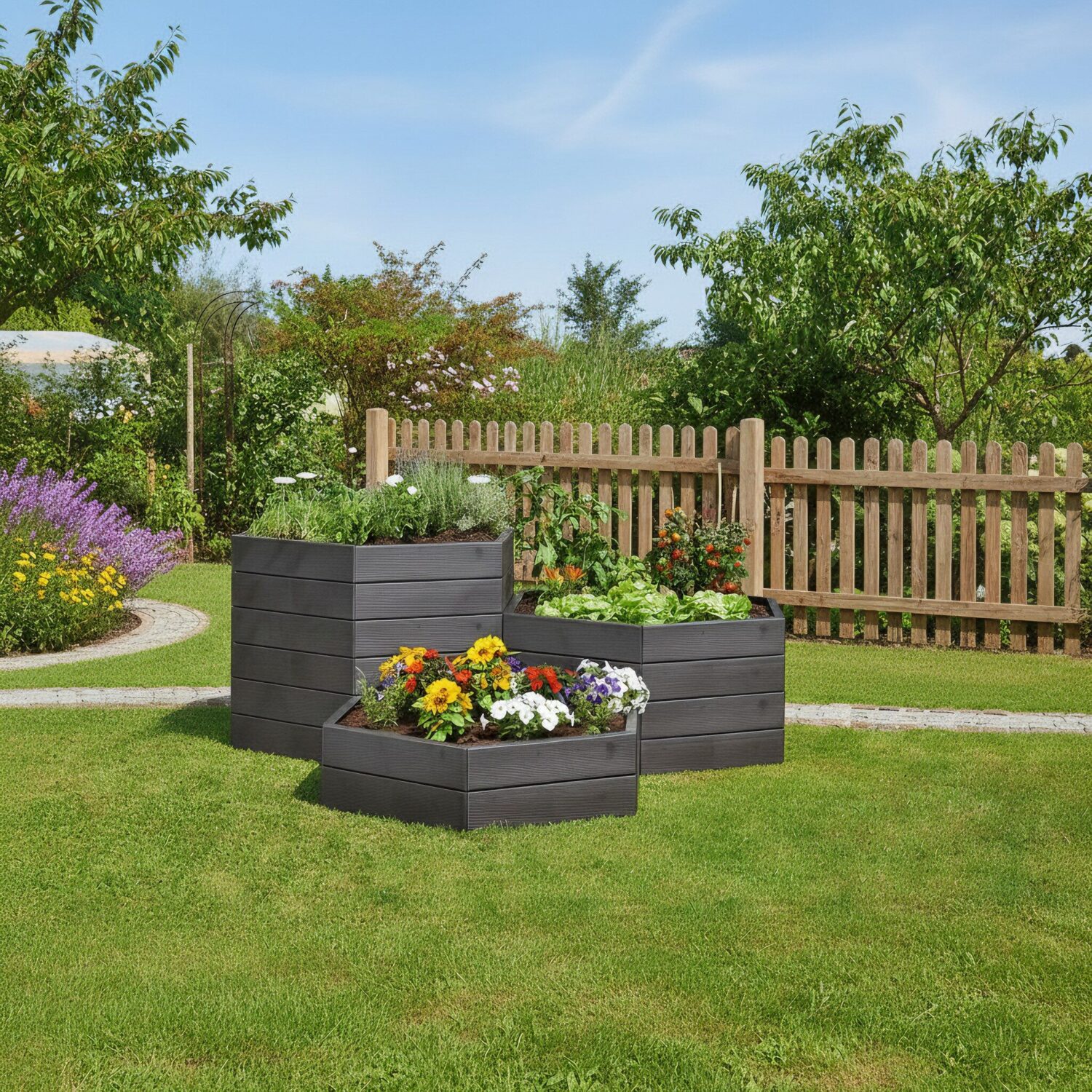
Raised bed gardening is one of the most effective ways to create a healthier, more productive kitchen garden, especially when you want better soil control, easier maintenance, and stronger vegetable gardening results season after season.
By growing in raised garden beds, gardeners can improve drainage, protect soil structure, reduce weeds, and create a more organized growing space. Whether you are starting a new kitchen garden or improving an existing one, raised beds make it easier to grow herbs, vegetables, flowers, and edible plants with purpose and efficiency.
Why Raised Bed Gardening Works So Well
Raised bed gardening gives you more control over the growing environment. Instead of relying entirely on native soil, which may be compacted, rocky, sandy, or heavy with clay, raised garden beds allow you to build a better foundation from the start.
Good soil health is one of the most important factors in productive vegetable gardening. In a raised bed, you can create a balanced soil mix that supports root growth, holds moisture appropriately, and drains well after heavy rain. This makes it easier for plants to access the nutrients, oxygen, and moisture they need to grow.
Raised beds also make the garden easier to manage. Defined growing areas help keep pathways clear, reduce soil compaction, and make planting, harvesting, and seasonal clean-up more efficient.
Building a Kitchen Garden with Raised Garden Beds
A kitchen garden is designed to be both useful and beautiful. It should provide fresh ingredients for cooking while also feeling organized, inviting, and connected to the home. Raised garden beds are a natural fit because they create structure within the garden.
Use raised beds to separate different growing areas, such as herbs, leafy greens, tomatoes, peppers, root vegetables, and flowers for pollinators. This makes the space easier to plan and more attractive throughout the growing season.
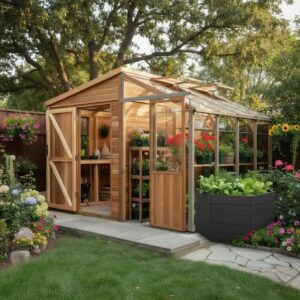
For a complete kitchen garden setup, pair raised beds with a greenhouse or cold frame to extend your growing season.
Choosing the Right Location
Most vegetables need at least six hours of direct sunlight each day, so location matters. Choose a spot that receives strong sun, has access to water, and is convenient enough that you will visit it often.
A productive kitchen garden should be easy to reach from the house, especially if you plan to harvest herbs, greens, or vegetables while cooking. Keeping the garden close makes it more likely that you will use it daily and maintain it consistently.
Before installing raised garden beds, observe how sunlight moves through the space. Avoid placing beds where large trees, fences, or buildings will shade vegetables during the most important growing hours.
How to Prepare Soil for Raised Bed Gardening
Soil health is the foundation of every successful raised bed garden. A strong raised bed soil mix should be loose enough for roots to spread, rich enough to feed plants, and structured enough to hold moisture without becoming soggy.
A good starting mix often includes high-quality topsoil, compost, and organic matter. Compost improves nutrient availability and supports beneficial soil life. Organic matter helps improve texture and moisture retention.
Over time, continue feeding the soil by adding compost each season. Avoid treating raised bed soil as a one-time project. Healthy soil is built gradually, and the most productive kitchen gardens are maintained year after year.
Improving Drainage and Root Growth
One of the key benefits of raised bed gardening is improved drainage. Because the soil sits above ground level, excess water can move through more easily than it often can in compacted native soil.
Better drainage supports stronger root systems and helps reduce the risk of plants sitting in overly wet conditions. This is especially helpful for vegetable gardening, where many crops need consistent moisture but dislike waterlogged roots.
Raised garden beds also warm up faster in spring, which can help gardeners begin planting earlier in the season. This can be especially useful for cool-season crops such as lettuce, spinach, radishes, peas, and herbs.
What to Grow in a Raised Bed Kitchen Garden
Raised beds can support a wide variety of edible plants. For a productive kitchen garden, focus on crops you use often and plants that benefit from regular harvesting.
- Herbs: basil, parsley, thyme, oregano, rosemary, chives, cilantro, and dill
- Leafy greens: lettuce, spinach, kale, Swiss chard, arugula, and mustard greens
- Root vegetables: carrots, radishes, beets, turnips, and onions
- Fruiting crops: tomatoes, peppers, cucumbers, squash, and eggplant
- Pollinator plants: calendula, nasturtiums, marigolds, zinnias, and borage
Mixing vegetables, herbs, and flowers can make the garden more productive and more visually appealing. Flowers can attract pollinators, herbs can help define planting areas, and vegetables provide the main harvest.
Planning Bed Size and Layout
Raised garden beds should be easy to reach from every side. A common width is around four feet, which allows most gardeners to reach the center of the bed without stepping into the soil.
Keeping feet out of the growing area is one of the main advantages of raised bed gardening. Less foot traffic means less compaction, better airflow in the soil, and healthier roots.
Pathways should be wide enough for comfortable movement, tools, and harvesting baskets. If you use carts or wheelbarrows, plan for extra space between beds.
Maintaining Soil Health Season After Season
Productive raised bed gardening depends on ongoing soil care. Each growing season removes nutrients from the soil, so it is important to replenish organic matter regularly.
Add compost before planting, mulch around crops to help retain moisture, and remove spent plants at the end of the season. Cover crops can also be used during the off-season to protect and improve the soil.
Healthy soil supports healthier plants, and healthier plants are often better able to resist stress from heat, pests, and disease. For vegetable gardening, this makes soil care one of the most important long-term investments you can make.
Using Raised Beds to Extend the Growing Season
Raised garden beds can be paired with covers, cloches, cold frames, or greenhouses to extend the growing season. This allows gardeners to start earlier in spring, protect young plants, and continue harvesting later into fall.
For gardeners who want even more growing flexibility, a greenhouse can support seed starting, overwintering, and year-round plant care. Browse Exaco’s greenhouse kits here: Greenhouse Kits.
A More Beautiful and Productive Garden
Raised bed gardening is practical, but it also brings order and beauty to the landscape. Defined beds create clean lines, organized planting areas, and a more intentional kitchen garden design.
With the right layout, raised garden beds can turn a simple vegetable garden into an attractive outdoor space that feels connected to the home. They make the garden easier to care for, easier to harvest from, and more enjoyable to spend time in.
Build a Better Kitchen Garden from the Ground Up
Raised bed gardening gives gardeners the ability to improve soil health, increase productivity, and create a more beautiful kitchen garden. By starting with strong soil, thoughtful bed placement, and a practical layout, you can build a growing space that supports better vegetable gardening year after year.
Whether you are growing herbs for daily cooking, vegetables for the season, or flowers to support pollinators, raised garden beds offer a simple and effective way to make the most of your space.
To complete your garden setup, explore Exaco’s selection of greenhouses, cold frames, and garden products here: Garden Products.