
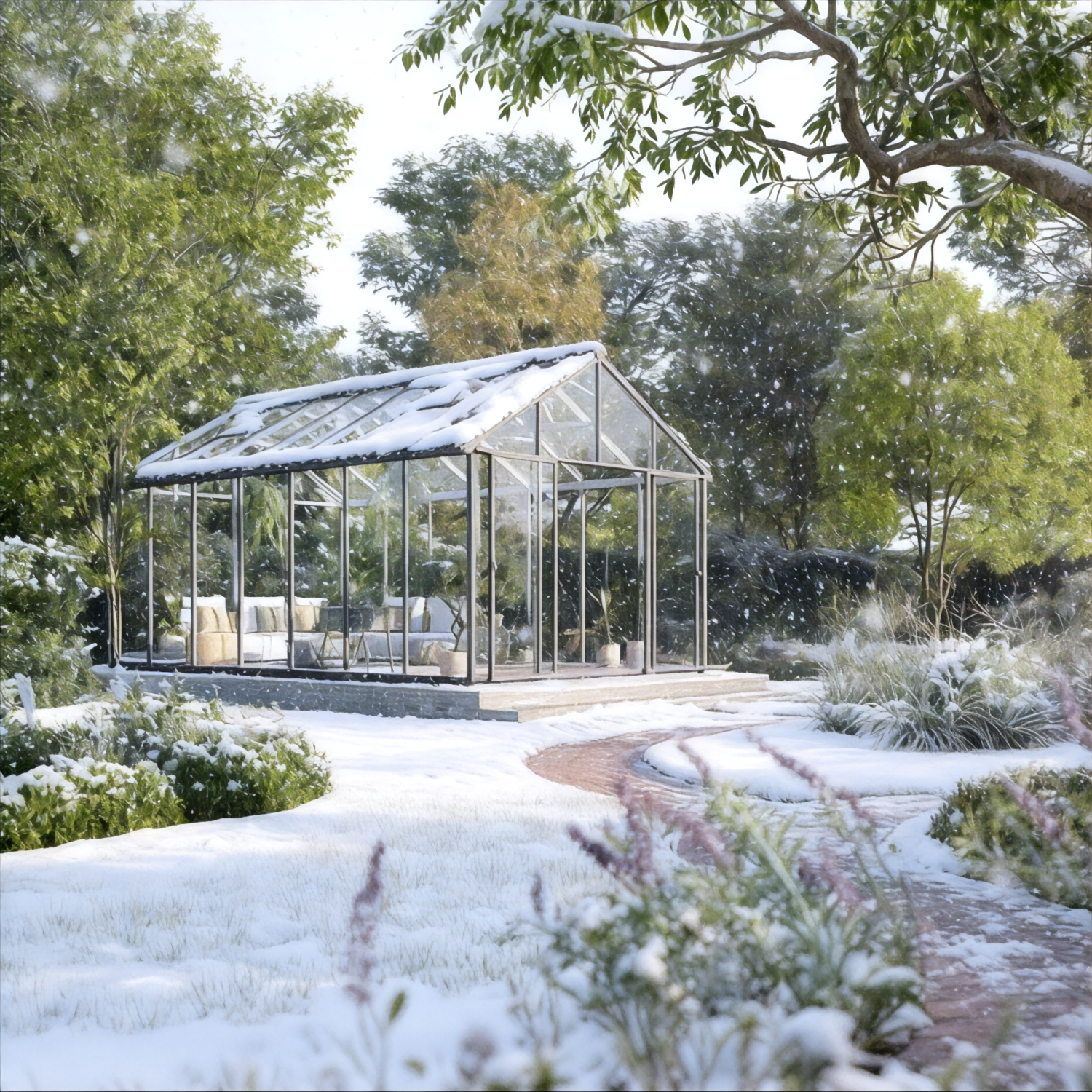
Looking for the best greenhouse for winter? When snow piles up, temperatures drop, and strong winds roll through, the right greenhouse makes all the difference. From insulated glazing to sturdy frames and weather-resistant roof designs, certain features help protect your plants and extend your growing season well beyond the first frost.
When the garden goes quiet for winter, greenhouse gardeners are just getting started. Outside, there’s frost on the lawn, snow on the ground, and a long wait until spring. Inside a well-planned greenhouse? There might be fresh spinach, growing seedlings, a collection of citrus trees, or simply a warm place to enjoy the afternoon.
But not every greenhouse is built for winter. If you live where snow piles up, winds howl, and freezing temperatures linger, choosing the right structure makes all the difference.
So, what makes the best greenhouse for winter? Let’s start with the weather.
Snow Happens. Your Greenhouse Should Be Ready.
Snow looks beautiful on a greenhouse roof, but it’s also surprisingly heavy. Wet, compacted snow can place considerable stress on glazing, framing, and roof supports. Add freezing rain or repeated storms, and winter quickly becomes a test of construction quality.
That’s why roof design matters just as much as the materials underneath it.
Take the German-engineered Riga greenhouse, for example. Its distinctive Gothic, onion-shaped profile isn’t just for good looks. Those steep, curved walls help snow slide down and away instead of collecting overhead.
Curious about that unusual shape? We take a closer look in Why the Riga Greenhouse’s Onion Shape Is More Than Good Looks.
When Winter Winds Come Calling
Snow is only half the winter weather story. Strong winds can rattle doors, loosen poorly secured glazing, and put significant pressure on a greenhouse frame.
The Riga’s curved profile helps direct airflow around and over the structure rather than presenting the abrupt roofline of a conventional greenhouse. Beneath its polycarbonate glazing, substantial 13-gauge aluminum framing provides structural support, while the panels fit securely into engineered channels.
Exaco’s published guidance describes wind resistance of 120+ mph and snow loads exceeding 20 pounds per square foot for the standard Riga, with up to 30 pounds per square foot for the Riga XL. Actual requirements and certified capacities should always be confirmed for the specific model and installation location.
For more on what makes a structure weather-ready, read our guide to choosing a greenhouse for high winds.
Meet the Riga Family: Three Ways to Grow Through Winter
One size doesn’t fit every garden, and the Riga collection offers several options for cold-climate gardeners.
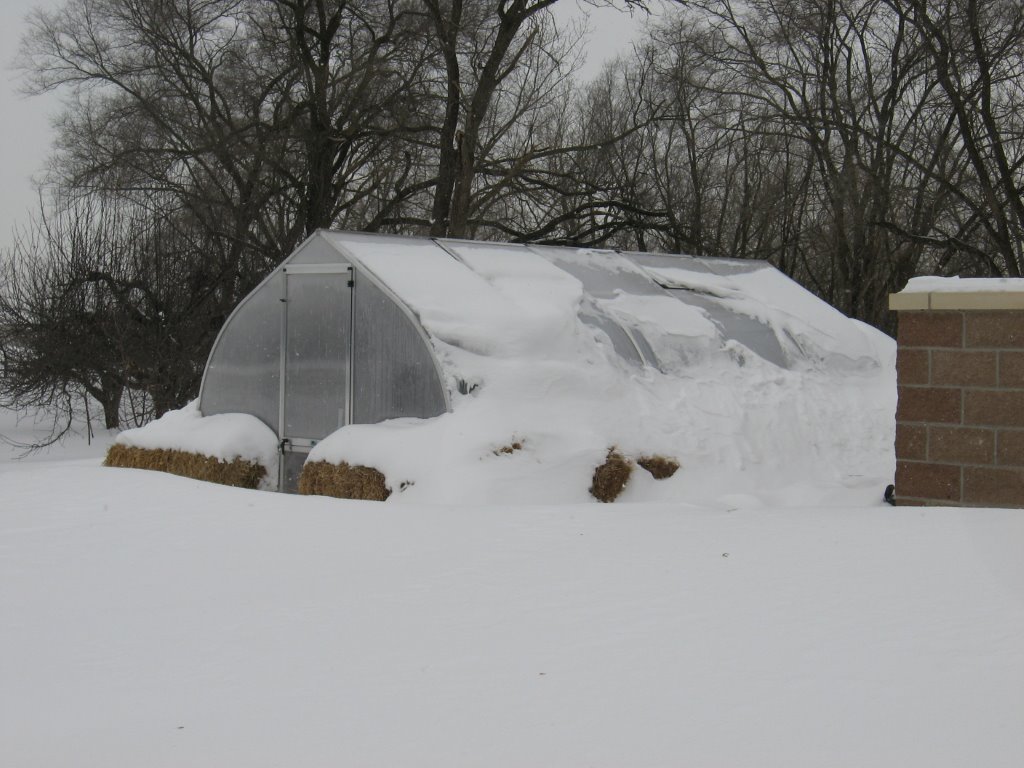
Riga S: Small Footprint, Serious Strength
Don’t let its compact dimensions fool you. The Riga S brings the family’s curved design, insulated polycarbonate glazing, and German engineering to smaller gardens. It’s a practical choice for gardeners who want protected growing space without a large backyard footprint.
Riga: The Year-Round Favorite
The standard Riga features 8 mm twin-wall polycarbonate along its curved sides and 10 mm twin-wall panels at the gable ends. Automatic roof ventilation, a rear window, and a split Dutch-style door make everyday greenhouse gardening comfortable and convenient.
Want to understand how these details compare with other greenhouse kits? Explore our Riga polycarbonate greenhouse comparison guide.
Riga XL: More Room, More Insulation
Big winter growing plans? The Riga XL offers a wider, taller growing space with substantial 16 mm triple-wall polycarbonate glazing. It’s an excellent option for gardeners who need more room for overwintering plants, growing vegetables, or creating a dedicated four-season retreat.
What About Glass Greenhouses?
Love the classic look of glass? Winter gardening isn’t limited to polycarbonate.
Our Janssens Royal Victorian greenhouses combine Belgian engineering, substantial aluminum framing, and 4 mm tempered safety glass. They offer a very different aesthetic, with structural documentation available for many models.
If you’re weighing glass against polycarbonate, consider insulation, local snow and wind requirements, desired growing temperatures, and the look you want in your landscape. You can explore our European greenhouse collections to compare the possibilities.
A Strong Greenhouse Still Needs a Winter Plan
Even the best greenhouse needs a little preparation before temperatures plunge.
- Start with the foundation. Proper anchoring is essential, especially in windy locations. Our greenhouse foundation guide walks through the options.
- Follow the winter sun. Choose a location that captures valuable daylight. Learn more about greenhouse orientation.
- Plan for heating. Insulation helps retain warmth, but cold climates may still require supplemental heat. Explore 10 ways to heat a greenhouse in winter.
- Keep an eye on conditions. Monitor temperatures, condensation, drifting snow, and ventilation throughout the season.
Winter Doesn’t Have to Mean Waiting for Spring
Imagine harvesting fresh greens in January, starting seedlings while snow still covers the lawn, or stepping inside to check on your favorite plants when the rest of the garden is asleep.
That’s the beauty of choosing a greenhouse designed for your climate and growing goals.
Whether you’re drawn to the insulated strength of the Riga or the timeless elegance of a Janssens glasshouse, the right greenhouse can make winter another season worth growing through.
Ready to see what’s possible? Explore our Riga greenhouses, discover the Janssens Royal Victorian, or call our team at 1-877-760-8500. We’re always happy to help.