
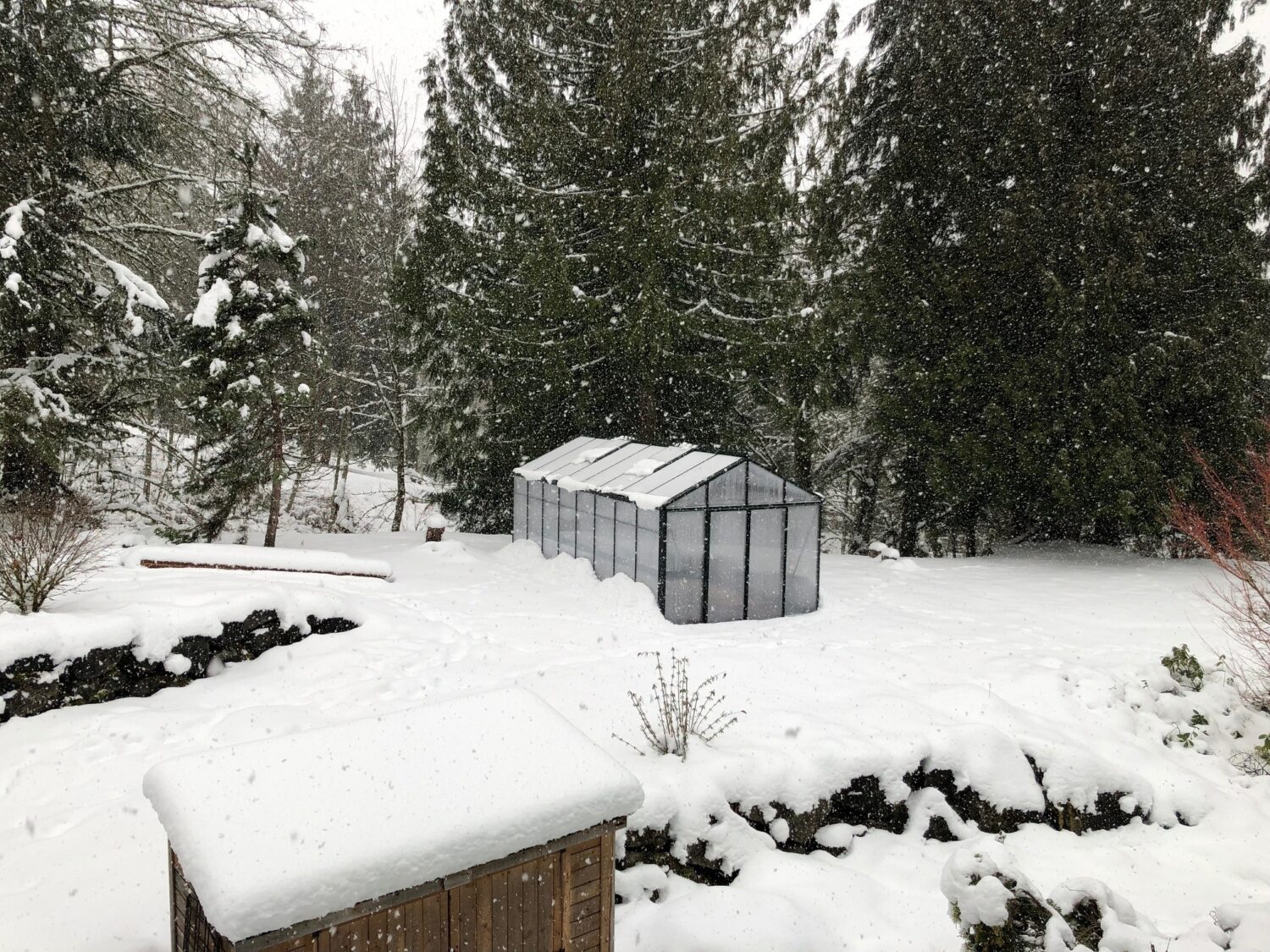
How to heat a greenhouse is one of the most common questions gardeners ask as temperatures begin to fall. Whether you’re growing fresh vegetables through winter, protecting citrus trees or overwintering tropical plants, maintaining the right temperature can mean the difference between thriving plants and disappointing losses.
The good news is that greenhouse heating isn’t always about running an electric heater around the clock. A well-designed greenhouse combines insulation, passive solar energy, proper ventilation, and, when necessary, supplemental heat to create a stable growing environment throughout the colder months.
Here are ten proven ways to keep your greenhouse warmer this winter while improving efficiency and reducing energy costs.
1. Start With a Well-Built Greenhouse
The most effective heating system begins before you ever plug in a heater. A well-engineered greenhouse retains heat more efficiently, minimizes drafts, and creates a more stable growing environment.
Heavy-duty aluminum frames, quality weather seals and tempered safety glass all help reduce unnecessary heat loss. A greenhouse that is built for year-round gardening requires far less supplemental heating than one designed only for seasonal use.
If you’re planning a new greenhouse, choosing a durable structure is one of the smartest long-term investments you can make.
2. Maximize Winter Sunlight
Sunlight remains your greenhouse’s primary heat source during winter. Even on cold days, solar energy entering through the glass can significantly raise interior temperatures.
Keep glazing clean throughout the season and avoid allowing snow, leaves or dirt to reduce light transmission. Proper greenhouse orientation also plays an important role in capturing winter sunlight.
Learn more in our guide to greenhouse orientation.
3. Improve Greenhouse Insulation
One of the easiest ways to improve greenhouse heating is by reducing heat loss.
- Seal small drafts around doors and vents.
- Insulate north-facing walls when appropriate.
- Use weather stripping around doors.
- Install thermal curtains or greenhouse shade curtains for nighttime insulation.
- Close vents before temperatures drop each evening.
Small improvements in insulation often reduce heating costs more than purchasing a larger heater.

4. Add Thermal Mass
Thermal mass stores heat during the day and slowly releases it overnight.
Water barrels, stone flooring, brick walls and large planters all absorb solar energy while the sun is shining. After sunset, that stored warmth helps moderate temperature swings inside the greenhouse.
This passive heating method requires no electricity and works best when combined with excellent solar exposure.
5. Use an Electric Greenhouse Heater
For many homeowners, an electric greenhouse heater provides the simplest and most reliable solution during extended cold weather.
Modern greenhouse heaters often include built-in thermostats that automatically maintain a consistent temperature. Instead of heating continuously, they cycle on only when temperatures fall below your selected setting, helping reduce energy consumption.
Choosing the proper heater size depends on your greenhouse dimensions, insulation and the minimum outdoor temperatures you expect during winter.
6. Install Air Circulation Fans
Heating alone isn’t enough. Warm air naturally rises, leaving colder air trapped near plants on the greenhouse floor.
Small circulation fans help distribute warm air evenly throughout the greenhouse while reducing condensation and improving overall plant health.
Good airflow also helps discourage fungal diseases that often develop in cool, damp winter conditions.
7. Protect Plants With Row Covers
Not every plant requires the same level of protection.
Floating row covers, frost blankets and horticultural fleece create a second layer of insulation around sensitive plants, allowing the surrounding greenhouse to remain slightly cooler while still protecting valuable crops.
This simple technique is especially effective during overnight cold snaps.
8. Monitor Temperature Carefully
One of the biggest mistakes greenhouse owners make is guessing.
Install a maximum-minimum thermometer or digital greenhouse thermometer so you know exactly how temperatures fluctuate throughout the day and night.
Monitoring conditions helps identify cold spots, insulation problems and heating inefficiencies before they become serious issues.
9. Adjust Your Winter Watering Routine
Plants grow more slowly during winter and generally require less water than during the active growing season.
Overwatering increases humidity, encourages fungal diseases and can make it more difficult to maintain consistent temperatures. Water early in the day whenever possible so excess moisture has time to evaporate before nighttime temperatures arrive.
10. Grow Plants That Match Winter Conditions
Some crops naturally perform better in cooler temperatures.
Winter greenhouse favorites include:
- Lettuce
- Spinach
- Kale
- Swiss chard
- Parsley
- Cilantro
- Asian greens
- Carrots
Growing cool-season vegetables reduces heating demands while allowing you to harvest fresh produce throughout much of the winter.
Should You Heat a Greenhouse All Winter?
Not necessarily.
Your heating strategy depends on what you’re growing and your local climate. Gardeners protecting tropical plants may need to maintain temperatures above 50°F, while those growing cool-season vegetables often require little supplemental heat beyond protection from freezing temperatures.
The goal isn’t to create summer conditions in January. It’s to maintain a stable environment that keeps plants healthy while using energy efficiently.
Choosing the Right Greenhouse for Cold Weather
If winter gardening is one of your primary goals, selecting the right greenhouse is just as important as selecting the right heater.
Premium glass greenhouses with heavy-duty aluminum frames, quality glazing and excellent ventilation provide better year-round performance than lightweight seasonal structures.
Our collection of Victorian greenhouses combines timeless European design with modern engineering for gardeners who want to grow confidently through every season. For gardeners facing snow, wind and harsh winter conditions, our RIGA greenhouses are engineered specifically for exceptional strength and insulation in challenging climates.
Frequently Asked Questions
What’s the cheapest way to heat a greenhouse?
Passive solar heating, thermal mass and improved insulation are often the most cost-effective methods because they reduce the amount of supplemental heat required.
Can a greenhouse stay warm without electricity?
Yes. Solar gain, insulated construction, thermal mass and row covers can all help maintain warmer temperatures, although extremely cold climates may still require supplemental heating.
How warm should a winter greenhouse be?
It depends on your plants. Cool-season vegetables tolerate much lower temperatures than tropical plants, orchids or citrus trees.
Does glass keep a greenhouse warm?
Yes. Quality tempered glass provides excellent light transmission while helping retain heat, especially when combined with proper sealing and insulation.
Should greenhouse vents stay open during winter?
Ventilation is still important, but vents should generally remain closed during freezing weather unless temperatures rise enough during sunny afternoons to require fresh air.
Grow Through Every Season
Learning how to heat a greenhouse isn’t about relying on one solution—it’s about combining smart greenhouse design, insulation, passive solar energy and efficient supplemental heating when needed. Together, these strategies create a healthier growing environment while reducing energy costs and protecting valuable plants throughout winter.
With the right greenhouse and a thoughtful heating plan, the gardening season doesn’t have to end when temperatures drop. Winter becomes another opportunity to grow fresh vegetables, protect treasured plants and enjoy the beauty of gardening all year long.