
High Wind Greenhouse: How to Choose a Greenhouse That Can Handle Strong Winds
A high wind greenhouse is designed to withstand challenging weather while providing a stable environment for year-round gardening. If you live in a coastal region, open prairie, mountain foothills, or anywhere that regularly experiences strong winds, choosing the right greenhouse is just as important as choosing what you’ll grow inside it.
Not all greenhouse kits are built to perform in demanding conditions. Frame strength, glazing material, roof design, anchoring, and foundation all contribute to overall greenhouse wind resistance. Understanding these features before you buy can help you select a greenhouse that performs reliably for decades.
What Makes a High Wind Greenhouse?
A single feature doesn’t define a wind-resistant greenhouse. Instead, it’s the combination of engineering, quality materials, and proper installation that determines how well a greenhouse performs during severe weather.
Some of the most important factors include:
- Heavy-duty frame construction
- Secure glazing retention systems
- Aerodynamic roof design
- Rigid corner connections
- A properly prepared foundation
- Professional anchoring
Even the strongest greenhouse benefits from careful site preparation. Before installation, review these greenhouse foundation ideas to ensure your greenhouse has the stable base it needs.
Frame Material Matters
The frame is the structural backbone of every greenhouse. Premium aluminum frames are popular because they resist rust, require very little maintenance, and maintain their strength for decades without warping or rotting.
Wood greenhouses offer timeless beauty but require regular maintenance to protect against moisture and weathering. Lightweight tubular frames found on inexpensive greenhouses may be suitable for temporary use but generally aren’t intended for areas with frequent high winds.
When comparing greenhouse kits for high winds, pay close attention to the thickness of the aluminum extrusions, the number of structural supports, and how the frame is assembled.
Why Roof Design Makes a Difference
Wind doesn’t simply push against a greenhouse—it flows over and around it. Roof shape plays a major role in how wind loads are distributed throughout the structure.
Steeper roof pitches often shed wind more efficiently than flatter designs while also improving snow shedding in colder climates. Strong roof connections and reinforced ridge construction further improve long-term durability.
If your greenhouse will also experience winter weather, you may also find our guide to choosing a greenhouse for snow and wind helpful.
Glass or Polycarbonate?
Both glazing materials can perform exceptionally well when paired with a well-engineered frame.
Tempered safety glass offers outstanding clarity, excellent light transmission, and long-term durability. Premium glass greenhouses use secure glazing systems designed to keep panels firmly in place during high winds.
Twin-wall and multi-wall polycarbonate panels provide excellent insulation while resisting impact from hail and wind-driven debris. Because polycarbonate is lighter than glass, it can also reduce structural loads during severe weather.
The best choice depends on your climate, growing goals, and greenhouse design rather than the glazing material alone.
Don’t Overlook the Foundation
Even the strongest greenhouse can be compromised if it isn’t anchored correctly.
A properly constructed foundation distributes wind loads evenly and keeps the greenhouse securely attached during storms. Concrete slabs, perimeter footings, and engineered foundation systems all provide excellent stability when designed for your location.
Good drainage is equally important. Standing water can undermine foundations over time, making it worthwhile to consider appropriate greenhouse flooring during the planning process.
Choosing the Right Location
Where you place your greenhouse can significantly influence how much wind it experiences.
Whenever possible:
- Take advantage of natural windbreaks such as fences, hedges, or buildings.
- Avoid low areas where water collects.
- Allow enough clearance for airflow and maintenance.
- Position the greenhouse to maximize sunlight throughout the year.
Proper placement improves both growing conditions and structural performance. Our guide to greenhouse orientation explains how to balance sunlight, accessibility, and weather exposure.
Features to Look for in a High Wind Greenhouse
- Heavy-duty aluminum construction
- Reinforced roof and ridge connections
- Secure glazing retention systems
- Heavy-duty base frame
- High-quality hardware and fasteners
- Integrated gutters and structural bracing
- Manufacturer-tested engineering
These features work together to improve greenhouse wind resistance and create a structure capable of handling challenging weather conditions.
Comparing Premium Greenhouse Options
If you’re researching premium greenhouses, comparing engineering specifications can help narrow your options.
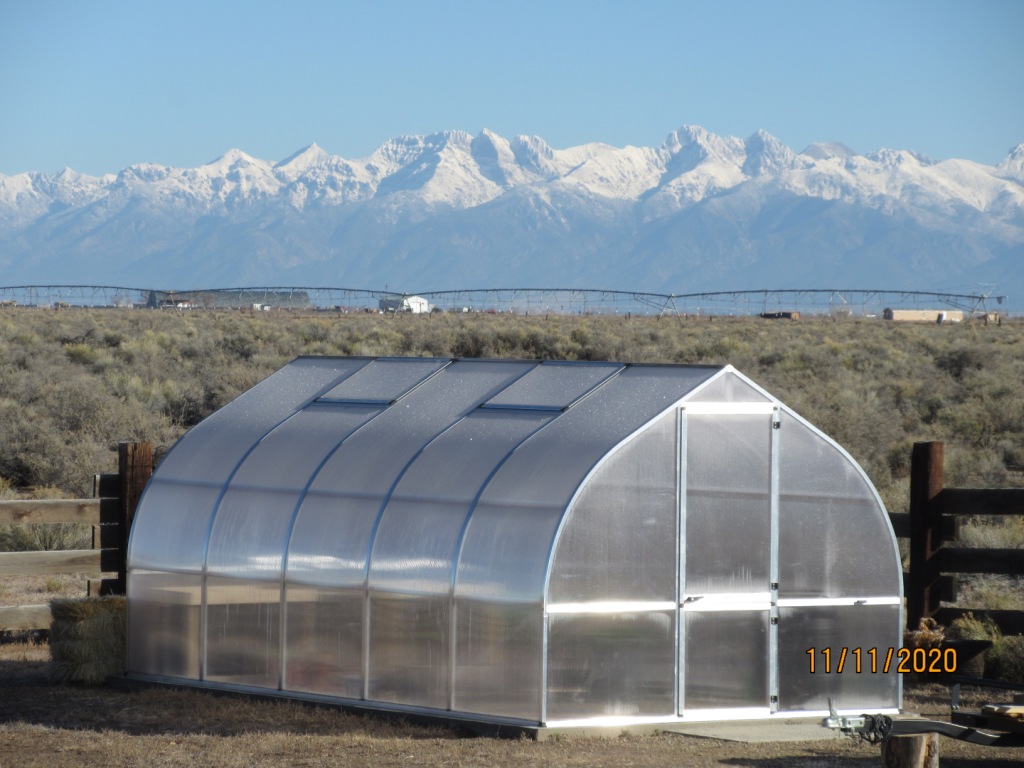
Riga Greenhouses are well known for their exceptional structural strength, twin-wall polycarbonate glazing, and engineering designed for demanding climates. Their onion-shaped roof design and reinforced frame make them a popular choice for gardeners facing strong winds and significant snowfall. Learn more in our Riga greenhouse comparison guide.
Janssens Greenhouses combine Belgian engineering with heavy-duty aluminum construction and tempered safety glass. Models such as the Royal Victorian Series are engineered for impressive wind performance while offering the timeless appearance of a traditional European glasshouse. Explore the differences in our Janssens greenhouse comparison guide.
Installation Is Just as Important as Engineering
Even the best high wind greenhouse can only perform as designed when it’s installed correctly.
Always follow the manufacturer’s installation instructions, use the recommended anchors and foundation system, and verify local building codes before construction. In areas prone to hurricanes or severe storms, additional engineering requirements may apply.
A properly installed greenhouse will perform far better than a stronger greenhouse that has been anchored incorrectly.
Choosing the Best High Wind Greenhouse
The best greenhouse for windy conditions isn’t simply the heaviest or the most expensive—it’s the one that combines quality engineering, durable materials, proper anchoring, and thoughtful site preparation.
Whether you’re considering a glass greenhouse or a polycarbonate model, investing in a well-engineered structure provides greater peace of mind and creates a growing environment that can be enjoyed throughout every season.
By understanding what contributes to true greenhouse wind resistance, you’ll be better prepared to choose a greenhouse that performs beautifully for many years, even when the weather is less than ideal.