
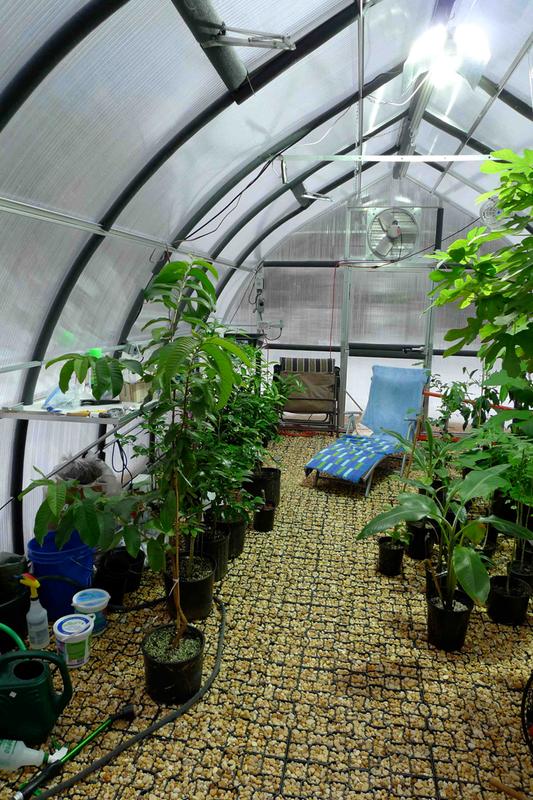
Greenhouse orientation is one of the first—and most important—decisions you’ll make before installing a greenhouse. While it’s easy to focus on the structure itself, where and how your greenhouse is positioned can have a significant impact on sunlight, temperature, ventilation, and the overall success of your plants.
Whether you’re planning a compact hobby greenhouse or a spacious Victorian glasshouse, understanding greenhouse orientation will help you maximize natural light, improve energy efficiency, and create the ideal growing environment throughout the year.
Why Greenhouse Orientation Matters
Every greenhouse depends on sunlight. Proper orientation determines how much light enters the structure, how evenly it is distributed, and how efficiently your greenhouse maintains warmth during cooler months.
A thoughtfully planned greenhouse can:
- Maximize available sunlight throughout the day
- Reduce heating costs during winter
- Promote even plant growth
- Improve greenhouse ventilation
- Minimize shading from trees and buildings
- Create a more comfortable workspace for gardeners
Before selecting a location, take time to observe how sunlight moves across your property during different seasons.
North-South vs. East-West Greenhouse Orientation
The ideal greenhouse orientation depends on your growing goals, geographic location, and the type of greenhouse you own. In general, gardeners choose between two primary orientations.
North-South Orientation
For many home gardeners, a north-south orientation provides the most balanced sunlight throughout the day. As the sun travels from east to west, both sides of the greenhouse receive relatively even exposure.
This orientation works particularly well for:
- Year-round vegetable production
- Seed starting
- Mixed plant collections
- Home gardeners seeking consistent light distribution
Even lighting helps reduce excessive shading between benches and encourages more uniform plant growth.
East-West Orientation
An east-west orientation often captures more direct sunlight during winter months, when the sun sits lower in the southern sky across much of North America.
This layout may be beneficial if you:
- Garden in northern climates
- Grow during winter
- Want to maximize solar heat gain
- Need additional light during shorter days
However, depending on your greenhouse design and interior layout, some areas may receive less even light throughout the day.
Consider Your Climate First
Greenhouse planning should always begin with your local climate rather than following a universal rule.
For gardeners in southern regions like Texas, Arizona, or Florida, managing excessive summer heat often becomes more important than capturing every possible ray of winter sunlight.
In cooler northern climates, maximizing winter solar exposure can help reduce supplemental heating requirements while extending the growing season.
The best greenhouse orientation balances seasonal sunlight with your specific gardening goals.
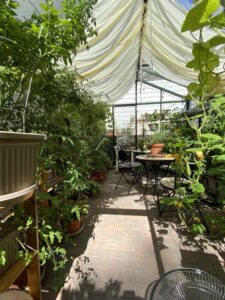
Avoid Shade Throughout the Day
One of the biggest greenhouse placement mistakes is overlooking future or seasonal shade.
Large trees, neighboring homes, fences, and garages may seem harmless during one season but can dramatically reduce sunlight during another.
Before installing your greenhouse, observe the location at several times during the day.
Pay attention to:
- Morning sunlight
- Afternoon shade
- Winter sun angles
- Nearby deciduous trees that lose leaves in winter
- Future landscaping plans
Most vegetables, herbs, and flowering plants perform best with at least six hours of direct sunlight, while eight or more hours is ideal for many edible crops.
Leave Room Around Your Greenhouse
Proper greenhouse placement isn’t just about sunlight—it’s also about accessibility.
Leave adequate space around all sides of the structure for:
- Cleaning glass or polycarbonate panels
- Maintenance and repairs
- Opening roof vents
- Installing shade cloth or accessories
- Managing drainage
Crowding a greenhouse too close to fences or buildings can make routine maintenance unnecessarily difficult.
Think About Wind Exposure
While sunlight is essential, strong winds can increase heat loss and place additional stress on greenhouse structures.
If your property experiences prevailing seasonal winds, consider positioning the greenhouse where natural windbreaks provide protection without creating significant shade.
Options may include:
- Evergreen hedges
- Decorative fencing
- Strategically placed shrubs
- Existing buildings positioned far enough away to avoid blocking sunlight
Avoid placing greenhouses in low-lying areas where cold air settles or where water tends to collect after heavy rain.
Plan Utilities Before Installation
Greenhouse planning should also include practical considerations that are easy to overlook.
Ask yourself:
- Will you need electricity for fans or supplemental lighting?
- Is a nearby water source available?
- Can hoses reach comfortably?
- Will wheelbarrows or carts have easy access?
- Is there room for future expansion?
Choosing a slightly less sunny location with convenient utilities may sometimes provide a better long-term gardening experience than a perfectly sunny but inaccessible corner of the yard.
Consider Seasonal Shade Solutions
In many climates, especially warmer regions, full summer sun can quickly overheat a greenhouse.
Rather than sacrificing good greenhouse orientation, gardeners often use seasonal solutions such as:
- Shade cloth
- Roof ventilation
- Automatic vent openers
- Exhaust fans
- Circulation fans
These options help regulate temperatures while still allowing your greenhouse to benefit from excellent winter sunlight.
Learn more in our guide to greenhouse cooling systems.
Don’t Forget Future Growth
Your landscape will change over time.
Trees grow taller, shrubs become fuller, and new structures may eventually alter the amount of sunlight reaching your greenhouse.
When evaluating greenhouse placement, think five or ten years into the future—not just what your yard looks like today.
A location that receives abundant sunlight now should continue performing well as your landscape matures.
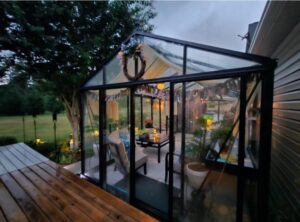
Choosing the Best Greenhouse Orientation
There isn’t a single perfect greenhouse orientation for every property. The ideal location depends on your climate, available sunlight, gardening goals, and the unique characteristics of your landscape.
Taking the time to evaluate sunlight patterns, wind exposure, drainage, utilities, and accessibility before installation will pay dividends for years to come.
A well-positioned greenhouse not only supports healthier plants but also creates a more enjoyable space where you can garden comfortably in every season.
If you’re exploring premium European glasshouses designed for exceptional light transmission and year-round growing, browse Exaco’s collection of European greenhouses. With thoughtful greenhouse planning and proper orientation, you’ll create a productive growing environment that serves your garden beautifully for decades.
Sources
- Royal Horticultural Society (RHS). Greenhouse growing and siting guidance. https://www.rhs.org.uk
- University of Massachusetts Amherst Extension. Greenhouse Site Selection and Environmental Considerations.
- University of Missouri Extension. Planning and Locating Greenhouses.