
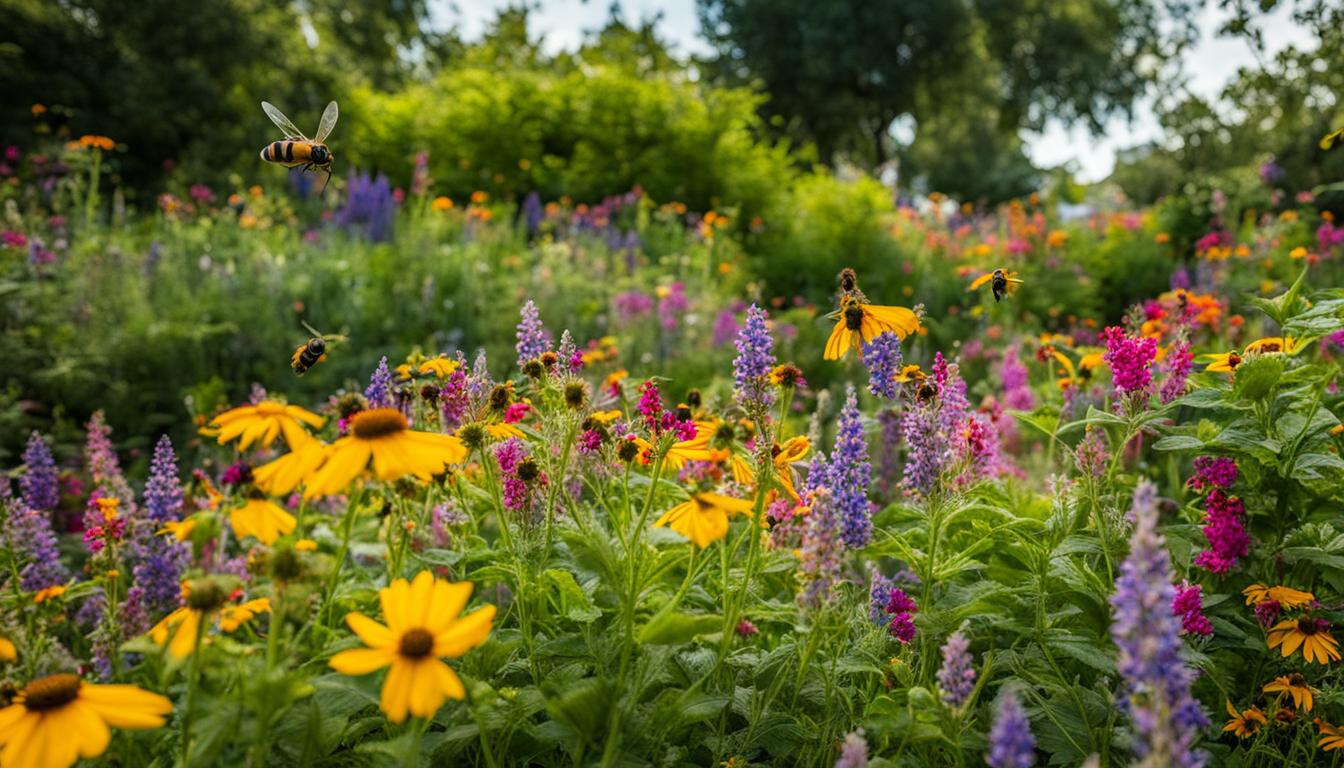
Pollinator Garden Ideas can help transform an ordinary yard into a thriving ecosystem filled with bees, butterflies, hummingbirds, and other beneficial wildlife. Beyond adding beauty and color to your landscape, a pollinator garden provides essential food and habitat for species that play a critical role in plant reproduction and food production. Whether you have a sprawling backyard, a cottage garden, raised beds, or even a greenhouse, there are countless ways to incorporate pollinator-friendly plants and practices into your gardening routine.
As concerns about pollinator decline continue to grow, more gardeners are looking for ways to support local ecosystems. By choosing the right pollinator plants, providing continuous blooms throughout the growing season, and creating safe habitats free from harmful chemicals, you can build a garden that benefits both wildlife and your own landscape.
Why Pollinators Matter
Pollinators are responsible for transferring pollen from one flower to another, allowing plants to produce seeds, fruits, and vegetables. While honeybees often receive the most attention, many species contribute to pollination, including native bees, butterflies, moths, hummingbirds, beetles, and even some bats.
According to conservation organizations and agricultural experts, roughly one-third of the food we consume depends on pollinators. Apples, blueberries, squash, cucumbers, tomatoes, and countless ornamental plants rely on these hardworking creatures.
Unfortunately, habitat loss, pesticide use, disease, and climate change have contributed to declining pollinator populations. Home gardens can play an important role in reversing this trend by providing food sources and shelter throughout the year.
What Makes a Successful Pollinator Garden?
The best pollinator gardens do more than simply contain flowers. They provide a complete habitat that includes nectar, pollen, water, shelter, and nesting areas.
A successful pollinator garden should include:
- A variety of flowering plants
- Native pollinator plants whenever possible
- Blooms that span multiple seasons
- Water sources
- Shelter from wind and predators
- Minimal pesticide use
- Host plants for butterfly larvae
By incorporating all of these elements, your garden becomes a true wildlife habitat rather than just a collection of flowers.
Choose the Best Pollinator Plants
One of the most important pollinator garden ideas is selecting plants that provide abundant nectar and pollen. Diversity is key. Different pollinators are attracted to different flower shapes, colors, and bloom times.
Top Pollinator Plants for Bees
- Bee Balm (Monarda)
- Lavender
- Coneflower (Echinacea)
- Black-Eyed Susan
- Salvia
- Borage
- Goldenrod
- Asters
Native bees are often more effective pollinators than honeybees and benefit greatly from these nectar-rich flowers.
Top Pollinator Plants for Butterflies
- Zinnias
- Lantana
- Verbena
- Milkweed
- Joe-Pye Weed
- Butterfly Weed
- Phlox
- Cosmos
Butterflies prefer broad flower clusters where they can easily land and feed.
Top Pollinator Plants for Hummingbirds
- Cardinal Flower
- Trumpet Vine
- Coral Honeysuckle
- Salvia
- Bee Balm
- Penstemon
Red, tubular flowers are especially attractive to hummingbirds because of their shape and high nectar production.
Create a Butterfly Garden That Supports Every Life Stage
A butterfly garden is one of the most rewarding additions to a pollinator-friendly landscape. However, attracting butterflies requires more than planting nectar flowers.
Adult butterflies feed on nectar, but caterpillars require specific host plants to survive. Without host plants, butterflies may visit your garden but will not reproduce there.
Essential Host Plants for Butterflies
- Milkweed for Monarch butterflies
- Dill, fennel, and parsley for Black Swallowtails
- Native grasses for Skippers
- Passionflower vines for Gulf Fritillaries
- Willow and oak trees for various native species
Including host plants helps create a complete butterfly habitat and supports future generations of pollinators.
Incorporate Cottage Garden Flowers for Maximum Impact
Many traditional cottage garden flowers are excellent pollinator magnets. Their dense plantings and long bloom periods provide abundant nectar while creating the charming, romantic appearance that cottage gardens are known for.
Popular cottage garden flowers that attract pollinators include:
- Foxglove
- Hollyhock
- Delphinium
- Phlox
- Yarrow
- Sweet William
- Shasta Daisy
- Lavender
- Campanula
- Catmint
Combining cottage garden flowers with native pollinator plants creates a landscape that is both beautiful and ecologically valuable.
Use Native Pollinator Plants Whenever Possible
Native plants have evolved alongside local pollinators for thousands of years. As a result, they often provide the most nutritious and accessible food sources for regional wildlife.
Benefits of native pollinator plants include:
- Better adaptation to local climates
- Lower water requirements
- Greater resistance to pests and diseases
- Superior support for native pollinator species
- Reduced maintenance needs
Gardeners should research plants native to their specific region and incorporate them whenever possible.
Pollinator Garden Ideas for Raised Beds
Raised beds provide an excellent way to organize and maintain a pollinator garden. They improve soil drainage, reduce weed pressure, and make it easier to group plants according to bloom time and water needs.
Consider dedicating individual raised beds to:
- Butterfly-attracting flowers
- Native prairie plants
- Hummingbird gardens
- Herb gardens filled with pollinator-friendly blooms
Many herbs are exceptional pollinator plants when allowed to flower. Basil, oregano, thyme, sage, and chives all produce blooms that attract beneficial insects.
Raised beds also make it easier to establish dense plantings, which pollinators tend to prefer over scattered individual flowers.
Start Pollinator Plants in a Greenhouse
One of the best ways to expand a pollinator garden is by starting plants from seed. A greenhouse provides an ideal environment for growing pollinator plants before outdoor planting season begins.
Gardeners can use a greenhouse to:
- Start native wildflowers from seed
- Extend the growing season
- Protect young seedlings
- Experiment with new pollinator species
- Grow larger quantities of plants economically
Greenhouses such as the Riga, Juliana, Janssens, and Hoklartherm models allow gardeners to create stronger transplants while enjoying a longer growing season.
Many pollinator-friendly annuals, including zinnias, cosmos, salvia, and verbena, perform exceptionally well when started early under greenhouse protection.
Plan for Continuous Blooms Throughout the Season
Pollinators require food from early spring until late fall. One of the most effective pollinator garden ideas is designing your garden to provide continuous blooms.
Early Spring Flowers
- Crocus
- Lungwort
- Columbine
- Wild Lupine
Summer Flowers
- Coneflower
- Bee Balm
- Zinnias
- Lavender
- Black-Eyed Susan
Late Season Flowers
- Asters
- Goldenrod
- Joe-Pye Weed
- Sedum
Providing flowers throughout the growing season ensures pollinators always have access to nectar and pollen.
Provide Water Sources for Pollinators
Pollinators need water just as much as they need flowers. Unfortunately, many gardens overlook this critical component.
Simple water features can include:
- Shallow bird baths
- Pebble-filled saucers
- Small fountains
- Rain-fed water gardens
Adding stones or pebbles gives insects safe places to land while drinking.
Support Pollinators with Rainwater Collection
Sustainable gardening practices and pollinator conservation often go hand in hand. Rain barrels can help gardeners reduce water usage while maintaining healthy flowering plants during dry periods.
Collected rainwater can be used to irrigate pollinator gardens, raised beds, and greenhouse plants while reducing reliance on municipal water supplies.
Healthy, well-watered plants produce more blooms and therefore provide more nectar and pollen throughout the season.
Avoid Common Pollinator Gardening Mistakes
Even well-intentioned gardeners can make mistakes that limit pollinator activity.
Using Too Many Pesticides
Many pesticides harm beneficial insects alongside pests.
Planting Only One Flower Type
Diverse plantings attract a wider range of pollinator species.
Removing All Garden Debris
Many native bees overwinter in stems, leaves, and undisturbed soil.
Ignoring Bloom Timing
Gardens that only bloom during one season leave pollinators without food for much of the year.
Design Ideas for Pollinator-Friendly Landscapes
Pollinator gardens can be adapted to virtually any landscape style.
- Formal gardens with pollinator borders
- Cottage gardens filled with flowering perennials
- Prairie-style plantings
- Raised bed pollinator gardens
- Greenhouse-supported flower gardens
- Vegetable gardens surrounded by pollinator plants
- Container gardens on patios and balconies
Grouping flowers in large clusters rather than scattering individual plants helps pollinators locate food sources more efficiently.
Frequently Asked Questions About Pollinator Garden Ideas
What are the best pollinator plants for beginners?
Coneflower, bee balm, lavender, zinnias, black-eyed Susan, and salvia are among the easiest pollinator plants to grow.
How large should a pollinator garden be?
Any size can make a difference. Even a few containers filled with pollinator-friendly flowers can support local wildlife.
Do pollinator gardens require a lot of maintenance?
Once established, especially when using native plants, pollinator gardens are often lower maintenance than traditional ornamental landscapes.
Can I grow pollinator plants in a greenhouse?
Yes. Greenhouses are excellent for starting pollinator plants from seed, extending bloom seasons, and growing healthy transplants.
What flowers attract both bees and butterflies?
Bee balm, coneflower, zinnias, lavender, salvia, and phlox are excellent choices for attracting both bees and butterflies.
Create a Garden That Gives Back to Nature
Pollinator gardens are among the most rewarding landscape projects a gardener can undertake. By combining native pollinator plants, colorful cottage garden flowers, butterfly garden essentials, and sustainable gardening practices, you can create a vibrant outdoor space that supports wildlife throughout the year.
Whether you’re planting a dedicated butterfly garden, incorporating pollinator-friendly raised beds, or using a greenhouse to grow your own flowers from seed, every effort contributes to healthier pollinator populations and a more resilient ecosystem. The result is a beautiful garden filled with movement, color, and life while helping support some of nature’s most important species.