
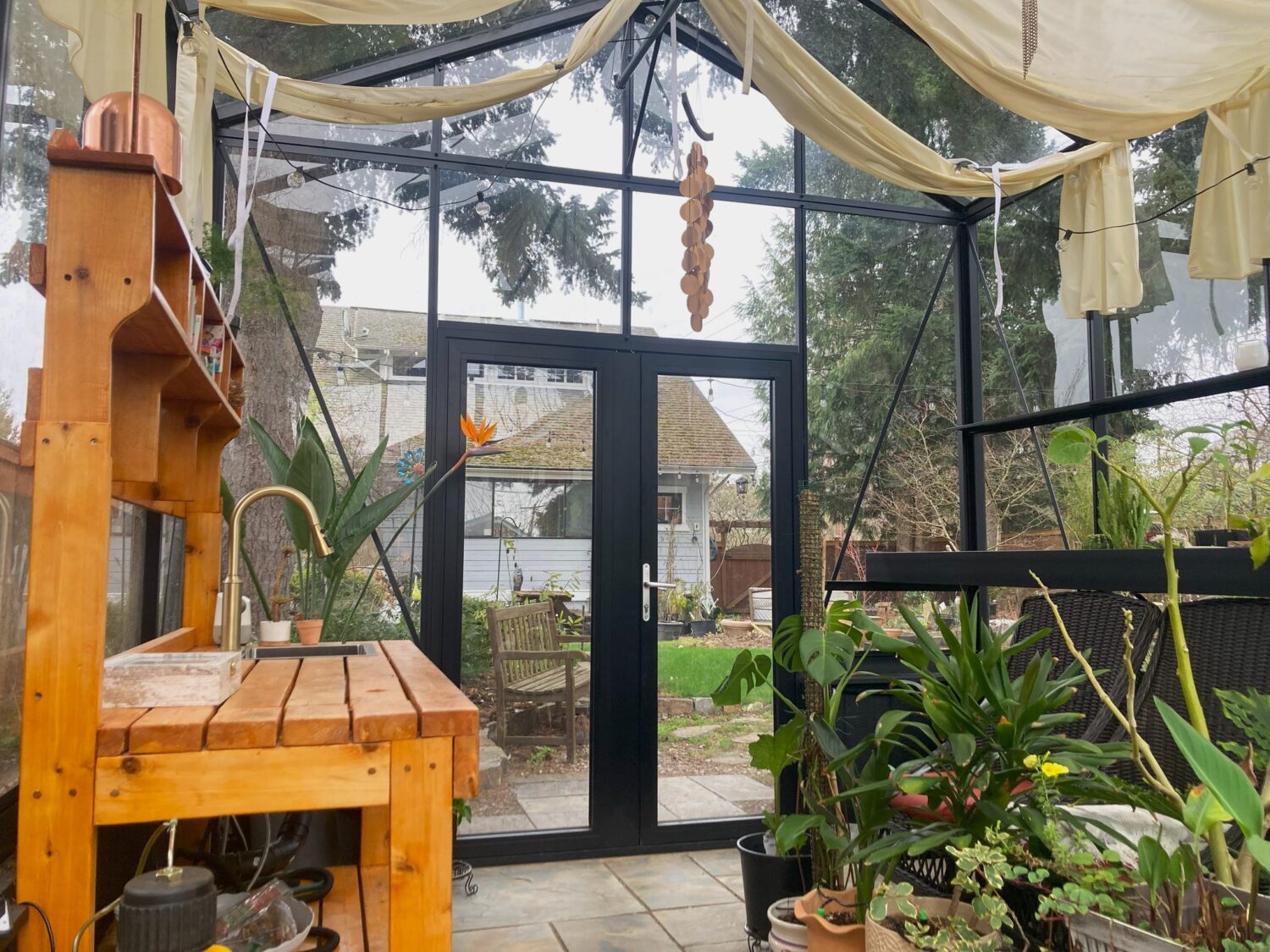
Greenhouse cooling systems become essential once outdoor temperatures begin climbing into the heat of summer. While roof vents, side vents, and automatic vent openers provide excellent natural airflow for much of the growing season, there comes a point when passive ventilation alone may no longer keep temperatures within a healthy range for your plants.
Whether you’re growing tomatoes, peppers, orchids, citrus trees, tropical plants, seedlings, or herbs, excessive heat can quickly slow growth, reduce flowering, prevent fruit production, and even cause permanent plant damage. Fortunately, today’s greenhouse cooling systems range from simple circulation fans to sophisticated evaporative cooling solutions that help gardeners maintain ideal growing conditions throughout the hottest months of the year.
In this guide, we’ll explore how greenhouse cooling works, when natural ventilation reaches its limits, and which cooling methods offer the best protection for your greenhouse during summer.
Why Greenhouses Become So Hot
A greenhouse works by trapping solar radiation. Sunlight passes through the glazing, warming the soil, benches, containers, and structural components inside. Those surfaces release heat that becomes trapped, creating the ideal environment for plant growth during cooler weather.
During summer, however, this same process can quickly push interior temperatures well beyond what most plants can tolerate.
On a sunny day, greenhouse temperatures can easily exceed outdoor temperatures by 20–40°F (11–22°C), particularly in enclosed structures with limited airflow. A pleasant 85°F afternoon outside may translate into temperatures exceeding 110°F inside an unventilated greenhouse.
Even heat-loving vegetables begin to suffer once temperatures remain excessively high for extended periods.
What Happens When a Greenhouse Gets Too Hot?
High temperatures affect plants in several ways:
- Reduced pollination in tomatoes and peppers
- Leaf scorch and sunburn
- Wilting despite adequate watering
- Blossom drop
- Slower growth
- Increased water demand
- Higher susceptibility to pests such as spider mites and whiteflies
- Heat stress that weakens overall plant health
Seedlings and young plants are especially vulnerable because their root systems are not yet fully established.
When Passive Ventilation Stops Being Enough
Modern greenhouses such as our Janssens and Riga models are designed with excellent passive ventilation. Roof vents naturally allow hot air to escape while cooler outside air enters through doors or lower openings, creating continuous air exchange without electricity.
Automatic vent openers make this process even easier by opening roof vents as temperatures rise and closing them as the greenhouse cools.
For much of the year, passive ventilation is all many gardeners need.
However, there are situations where natural airflow simply cannot remove heat quickly enough.
- Outdoor temperatures exceed 90°F
- High humidity limits natural cooling
- Minimal wind reduces air exchange
- Large greenhouses generate more trapped heat
- Densely planted greenhouses restrict airflow
- South-facing installations receive intense afternoon sun
When these conditions occur together, supplemental greenhouse cooling systems become necessary to maintain healthy growing temperatures.
Understanding the Different Types of Greenhouse Cooling Systems
Not every greenhouse requires expensive commercial equipment. The best greenhouse cooling strategy often combines several simple methods that work together to remove heat while maintaining healthy airflow.
The most common options include:
- Greenhouse circulation fans
- Exhaust fans
- Evaporative cooling systems
- Shade cloth
- Misting or fogging systems
- Proper watering and humidity management
Let’s take a closer look at each option.
Greenhouse Fans: The First Upgrade Most Gardeners Make
One of the simplest and most effective improvements is installing greenhouse fans. While fans do not actually lower air temperature on their own, they dramatically improve air circulation and reduce hot spots that commonly develop near the roof or in corners of the greenhouse.
Moving air also helps plants transpire more efficiently, strengthens stems, reduces fungal diseases, and creates a more uniform growing environment throughout the structure.
Horizontal Airflow (HAF) Fans
Small circulation fans create a gentle, continuous breeze throughout the greenhouse. Rather than blowing directly on plants, they circulate air in slow loops that eliminate stagnant pockets.
Benefits include:
- More even temperatures
- Reduced condensation
- Lower disease pressure
- Stronger stems
- Improved pollination
Many hobby greenhouses benefit from two small circulation fans positioned at opposite ends rather than one large fan.
Exhaust Fans
An exhaust fan actively removes hot air from inside the greenhouse while drawing cooler outside air through intake vents or open doors.
This type of greenhouse cooling system becomes especially valuable in regions where summer temperatures regularly climb into the 90s or higher.
Thermostatically controlled exhaust fans automatically switch on when interior temperatures exceed your chosen setting, helping maintain consistent growing conditions without constant monitoring.
Evaporative Cooling Systems
In hot, dry climates, evaporative cooling can reduce greenhouse temperatures significantly. These systems work by passing warm outside air across water-saturated pads or through fine water droplets. As the water evaporates, it absorbs heat, producing noticeably cooler air that is drawn into the greenhouse.
Depending on humidity levels, evaporative cooling systems may lower greenhouse temperatures by as much as 10–20°F.
They are particularly effective in arid regions of the western United States where low humidity allows evaporation to occur rapidly.
Gardeners in humid climates may see smaller temperature reductions, making ventilation and fans the better primary cooling solution.
“`html
Shade Cloth: One of the Most Effective Ways to Reduce Heat
While greenhouse fans move hot air and evaporative cooling systems lower temperatures, one of the easiest ways to prevent excessive heat buildup is to reduce the amount of solar radiation entering the greenhouse in the first place. Shade cloth is an affordable, highly effective addition to many greenhouses and can significantly improve summer growing conditions.
Shade cloth works by filtering a percentage of incoming sunlight while still allowing plants to receive the light they need for photosynthesis. By reducing solar gain, it helps keep interior temperatures lower throughout the day and lessens the workload on greenhouse cooling systems.
Shade cloth is available in several densities, typically measured as the percentage of sunlight blocked:
- 30% – Ideal for vegetables, herbs, and seed starting.
- 40–50% – Suitable for most home greenhouses growing a mix of flowers and edible plants.
- 60% – Often recommended for orchids, ferns, and other shade-loving plants.
- 70% and above – Best reserved for extremely hot climates or plants that naturally grow in deep shade.
Many gardeners install shade cloth seasonally, placing it over the greenhouse in late spring and removing it in early fall. Exterior shade cloth is generally more effective than interior shade because it blocks solar energy before it enters the greenhouse.
Misting and Fogging Systems
Misting and fogging systems provide another option for greenhouse cooling by introducing fine water droplets into the air. As the water evaporates, it absorbs heat and increases humidity, helping create a more comfortable environment for many tropical plants.
Although the terms are often used interchangeably, there are important differences:
- Misting systems produce larger water droplets that may wet foliage and surrounding surfaces.
- Fogging systems create extremely fine droplets that evaporate almost immediately, cooling the air with minimal moisture left on plant leaves.
These systems are especially beneficial for orchids, tropical houseplants, propagation benches, and delicate seedlings. However, because increased humidity can encourage fungal diseases, they should always be paired with adequate ventilation and good air circulation.
Don’t Forget the Importance of Watering
Even the best greenhouse cooling systems cannot compensate for improper watering during periods of extreme heat.
Plants transpire more rapidly as temperatures rise, meaning they require additional moisture to replace water lost through their leaves. Containers also dry out much faster than garden beds, particularly black nursery pots exposed to direct sunlight.
Some best practices include:
- Water early in the morning whenever possible.
- Check containers twice daily during heat waves.
- Avoid allowing plants to wilt repeatedly.
- Use mulch where appropriate to reduce moisture loss.
- Monitor moisture with your finger rather than relying on a schedule alone.
Remember that overwatering can be just as damaging as underwatering. The goal is consistently moist—not constantly saturated—growing media.
Choosing the Right Greenhouse Cooling System
The ideal cooling strategy depends on your greenhouse size, local climate, and the types of plants you grow.
| Greenhouse Type | Recommended Cooling Solution |
|---|---|
| Small hobby greenhouse | Roof vents, automatic vent openers, circulation fans, and seasonal shade cloth. |
| Medium greenhouse | Passive ventilation, circulation fans, exhaust fan, and shade cloth. |
| Large greenhouse | Exhaust fans, intake vents, evaporative cooling, circulation fans, and automated controls. |
| Hot, dry climates | Evaporative cooling systems combined with ventilation and shade. |
| Hot, humid climates | Maximum ventilation, circulation fans, and shade cloth rather than heavy misting. |
How Exaco Greenhouses Help Keep Plants Cooler
Many of our premium European greenhouses are designed with passive cooling in mind. Features such as strategically placed roof vents, optional automatic vent openers, generous interior height, and precision-engineered aluminum framing all work together to encourage natural airflow.
Janssens greenhouses, for example, are known for their exceptional ventilation options and heavy-duty construction, making them well suited for gardeners who want to extend the growing season while maintaining comfortable conditions during the summer months.
Riga greenhouses combine highly insulating twin-wall polycarbonate glazing with excellent ventilation, helping moderate temperature swings throughout the year.
For many home gardeners, combining these built-in ventilation features with a few well-placed greenhouse fans and seasonal shade cloth provides all the cooling needed for healthy, productive plants.
Summer Greenhouse Care Checklist
- ✓ Open roof vents early each morning.
- ✓ Inspect automatic vent openers regularly.
- ✓ Run circulation fans throughout the day.
- ✓ Install shade cloth before peak summer temperatures arrive.
- ✓ Water plants consistently, especially containers.
- ✓ Remove dead foliage to improve airflow.
- ✓ Monitor greenhouse temperatures with a reliable thermometer.
- ✓ Watch for heat-loving pests such as spider mites and whiteflies.
- ✓ Clean fan blades and ventilation openings periodically.
Frequently Asked Questions
What temperature is too hot for a greenhouse?
Most vegetables begin experiencing heat stress once greenhouse temperatures remain above 90°F for extended periods, although the ideal range varies by crop.
Do greenhouse fans actually cool the air?
Fans primarily improve air circulation rather than lowering air temperature directly. However, they help plants stay cooler by reducing stagnant hot spots and improving transpiration.
Is shade cloth better than an exhaust fan?
They serve different purposes. Shade cloth reduces heat entering the greenhouse, while exhaust fans remove accumulated hot air. Together they create a much more effective cooling system.
Can I use a household fan in my greenhouse?
Yes. Many hobby gardeners successfully use oscillating or box fans to improve air circulation, provided they are safely protected from moisture and connected to a properly rated electrical circuit.
Do all greenhouses need evaporative cooling?
No. Many home greenhouses remain comfortable with passive ventilation, automatic roof vents, greenhouse fans, and seasonal shade cloth. Evaporative cooling is most beneficial in hot, dry climates or larger greenhouses.
Keep Your Greenhouse Comfortable All Summer Long
Successful summer gardening isn’t about eliminating heat—it’s about managing it. By combining natural ventilation with the right greenhouse cooling systems, you can protect plants from heat stress, encourage healthier growth, and continue harvesting throughout even the warmest months.
Whether you’re adding greenhouse fans, installing shade cloth, or upgrading to automated ventilation, thoughtful planning helps create a growing environment that works with nature rather than against it.
Explore our selection of premium European greenhouses and greenhouse accessories to build a greenhouse that’s ready for every season.