
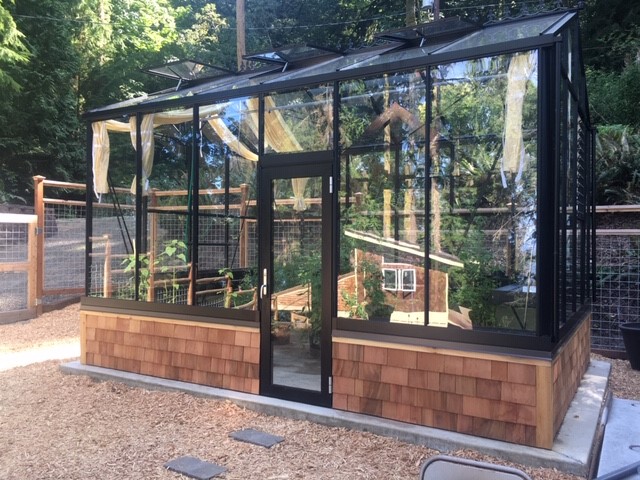
Greenhouse shade cloth can make a huge difference in how your greenhouse performs during the warmer months. It helps reduce excessive heat, softens harsh sunlight, protects delicate plants from scorching, and creates a far more comfortable growing environment overall. But beyond the practical benefits, shade cloth can also completely change the atmosphere inside a greenhouse, transforming intense midday glare into soft, filtered light that feels calm, inviting, and beautifully garden-like.
Because even your sun-loving tomatoes appreciate a little drama-free shade.
A greenhouse is a magical thing. It stretches the seasons, protects tender plants, and gives gardeners a beautiful little world of their own. But in summer, that same lovely glass or polycarbonate house can turn from charming garden retreat into, well, a very elegant toaster.
That is where greenhouse shade cloth comes in.
Shade cloth is one of the simplest ways to help manage heat, soften harsh sunlight, and create a more comfortable growing environment. But it is also more than a practical tool. Used thoughtfully, shade can change the entire mood of a greenhouse. It can turn blazing afternoon sun into a soft, dappled glow. It can make a glasshouse feel like a conservatory, a garden room, a quiet place to water, prune, sip coffee, and admire your thriving plants and hard work. In other words, shade cloth is not just about blocking light. It is about designing with light.
Why Greenhouses Need Shade
Plants need sunlight, of course. That is the whole point of a greenhouse. But too much direct sun, especially during late spring and summer, can quickly create problems:
- Leaf scorch
- Wilting during the hottest part of the day
- Dry soil and faster water loss
- Stalled growth in heat-sensitive plants
- Sunscald on fruits like tomatoes and peppers
- A greenhouse interior that feels less like a garden room and more like a glass sauna
Shade cloth helps reduce the amount of sunlight entering the greenhouse, which can lower heat buildup and create a gentler growing environment. This is especially useful in hot climates, during heat waves, or in greenhouses with lots of direct afternoon sun.
If you are still planning your greenhouse location, shade should be part of the conversation from the beginning. Placement, ventilation, glazing, and accessories all work together. For a broader planning guide, read What to Know Before Buying a Greenhouse.
When Should You Use Shade Cloth?
The best time to use shade cloth depends on your climate, greenhouse style, and what you are growing. But as a general rule, shade cloth becomes helpful when your greenhouse starts overheating faster than your vents and fans can keep up.
Common signs it is time to add shade:
- Your plants wilt even when the soil is moist.
- Leaves look bleached, crispy, or scorched.
- Seedlings collapse in strong midday sun.
- Cool-season crops bolt quickly.
- You avoid stepping into the greenhouse after lunch because it feels personally hostile.
For many gardeners, shade cloth goes up in late spring and stays through summer. In very hot regions, it may be useful well into early fall. In cooler climates, you may only need it during heat waves or on the sunniest side of the greenhouse.
Choosing the Right Shade Percentage
Shade cloth is usually described by the percentage of sunlight it blocks. A 30 percent shade cloth blocks about 30 percent of sunlight. A 60 percent shade cloth blocks about 60 percent. Simple enough, until you are standing there wondering whether your cucumbers want a cabana or a cave.
Here is a helpful starting point:
- 30 percent shade: Good for many sun-loving vegetables and plants that still need strong light.
- 40 to 50 percent shade: A popular middle ground for general greenhouse use in summer.
- 60 percent shade: Useful for stronger heat reduction, delicate plants, or very sunny greenhouse locations.
- 70 percent and above: Best reserved for shade-loving plants, propagation, orchids, ferns, or extreme heat situations.
The goal is not to make the greenhouse dark. The goal is to soften the sun just enough that plants can keep growing comfortably.
Think of Shade Cloth as Interior Design for Plants
Here is where shade cloth gets more interesting.
Most people think of shade cloth as purely functional. And yes, it absolutely needs to do its job. But shade also affects how the greenhouse feels. It changes the quality of light, the color of the interior, and even the way your plants photograph.
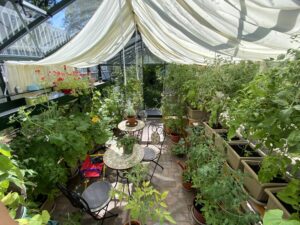
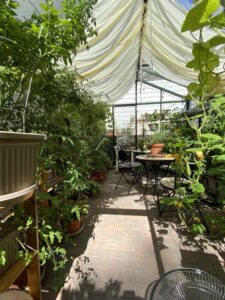
Black shade cloth gives a more utilitarian look and is common in commercial growing. White or light-colored shade options can feel brighter, cleaner, and more refined. Natural wood slats create a warm, European garden-room effect. A soft cream curtain can make a Victorian greenhouse feel romantic and finished. Aluminum mesh or roller shades can look sleek, modern, and architectural.
In a well-designed greenhouse, shade should feel intentional, not like an emergency tarp situation. Unless, of course, you enjoy the “forgotten construction site” aesthetic. We do not judge, but your begonias might.
Exterior vs. Interior Shade
Shade can be installed outside or inside the greenhouse. Each has advantages.
Exterior Shade
Exterior shade blocks sunlight before it enters the greenhouse, which can be very effective for reducing heat. It is especially useful in hot climates or on greenhouses that receive intense afternoon sun.
The design challenge is that exterior shade must be securely fastened and able to handle wind, rain, and seasonal weather. It should also be installed so it does not interfere with roof vents, doors, gutters, or automatic openers.
Interior Shade
Interior shade is often easier to manage and can feel more polished from a design perspective. Curtains, panels, and roller shades can soften light while adding texture and style inside the greenhouse.
Interior shade may not block heat quite as early as exterior shade, but it is protected from weather and can be easier to adjust throughout the season.
Where to Place Shade Cloth
You do not always need to cover the entire greenhouse. In fact, targeted shade is often more beautiful and more practical.
Consider shading:
- The roof, where the strongest overhead sun enters
- The south or west side, especially in hot afternoon climates
- A propagation area for seedlings and cuttings
- A seating or potting area where you want softer light
- Plants that scorch easily, such as tender greens, orchids, ferns, or young starts
Partial shade can create zones within the greenhouse. One area can stay bright for tomatoes and peppers, while another becomes a gentler nursery for seedlings or houseplants summering outdoors.
Do Not Forget Ventilation
Shade cloth is wonderful, but it is not a substitute for airflow. A greenhouse still needs proper ventilation to release hot air and keep plants healthy.
Roof vents, louver windows, automatic vent openers, circulation fans, and exhaust fans all help move air through the structure. Shade and ventilation work best as a team. Think of shade as the parasol and ventilation as the polite breeze.
To explore greenhouse accessories that help with comfort and climate control, visit Greenhouse Accessories.
Can Shade Cloth Be Beautiful?
Absolutely. And honestly, this is where greenhouse design is heading.
As more gardeners use greenhouses as outdoor living spaces, shade is becoming part of the atmosphere. People want greenhouses that feel curated, not purely utilitarian. They want terracotta pots, vintage benches, climbing vines, pretty tools, woven baskets, and sunlight that lands softly instead of shouting through the glass.
There is not a huge mainstream market yet for decorative greenhouse shade cloths like lace-trimmed, block-printed, or botanical-patterned fabrics. Most shade cloth is still made for function first. But the desire is there. Gardeners are already styling greenhouses like conservatories, studios, and garden rooms. It is only a matter of time before shade options become more design-forward.
Until then, the best approach is to choose shade materials that complement the greenhouse architecture. Soft cream, white, beige, natural wood, or reflective woven textures tend to look more intentional than basic black mesh in a premium home greenhouse setting.
Shade Cloth and Greenhouse Style
Different greenhouses call for different shade personalities.
For Victorian Greenhouses
A Victorian greenhouse already has charm, so shade should enhance that romance. Cream shade curtains, natural wooden slats, and softly draped panels work beautifully with classic lines and decorative glasshouse details.
Explore our Victorian Greenhouse Accessories for options designed to coordinate with Janssens Victorian models.
For Modern Greenhouses
Modern greenhouses look best with clean, tailored shade solutions. Think retractable roller shades, crisp white panels, or reflective aluminum mesh. The effect is sleek and architectural, with shade that disappears when not needed.
For Cedar Greenhouses
Wooden greenhouses like our Alton cedar line already bring warmth and texture, so shade can lean natural. Slatted wood, woven neutrals, and soft-toned fabrics help maintain that classic garden-room feeling.
If you love the look of timber and traditional greenhouse design, browse Exaco Greenhouses for inspiration.
Exaco Shade Options to Consider
While this article is really about how to think about shade, Exaco does offer several shade options depending on your greenhouse model and design goals.
Janssens Shade Cloth
For Janssens greenhouse owners, shade cloth is a practical seasonal accessory that helps reduce strong sunlight entering the greenhouse. Exaco’s Janssens shade cloth option is a poly blend designed to cover about 60 percent of sunlight entering the greenhouse, making it a helpful choice for sunny climates and summer heat management.
Browse Janssens Victorian Greenhouse Accessories.
Wooden Roof Shades
For a more architectural, European look, Wooden Roof Shades are a beautiful option for Victorian greenhouses. These exterior shades are made with narrow slats of Bengkirai wood from Indonesia, known for strength and durability. The slats are evenly spaced to allow some sunlight through while still shading the greenhouse.
The effect is gorgeous: warm, natural, and softly dappled, like sitting under a pergola in a well-loved garden.
Fixed Shade Curtains
If cloth and wooden shades aren’t your thing, our Shade Curtains are full-length curtains sized for specific Victorian greenhouse models. Their cream color gives a clean, polished appearance while softening the interior light. They are a lovely choice if you want your greenhouse to feel finished, calm, and a little more room-like.
Retractable Roll-Up Shade Curtains
For a sleek and flexible option, Retractable Roll-Up Shade Curtains are made of aluminum mesh that partially reflects sunlight. They can be deployed or tucked away depending on the weather and can be installed on roof and side walls, depending on the greenhouse model.
This is a smart option for gardeners who want shade when the sun is intense, but full brightness when the weather is mild.
Let the Light In, But Make It Behave
Shade cloth is one of those greenhouse accessories that quietly makes everything better. It protects plants, improves comfort, and helps transform a greenhouse from a hot glass box into a graceful, usable garden space.
The best shade solution is the one that suits your climate, your plants, your greenhouse style, and the way you want the space to feel.
Because a greenhouse should be productive, yes. But it should also be beautiful. A place where seedlings thrive, tomatoes ripen, flowers unfurl, and sunlight arrives with a little manners.
Need help choosing the right shade option for your greenhouse? Contact Us or visit Where to Buy to connect with a retailer.