
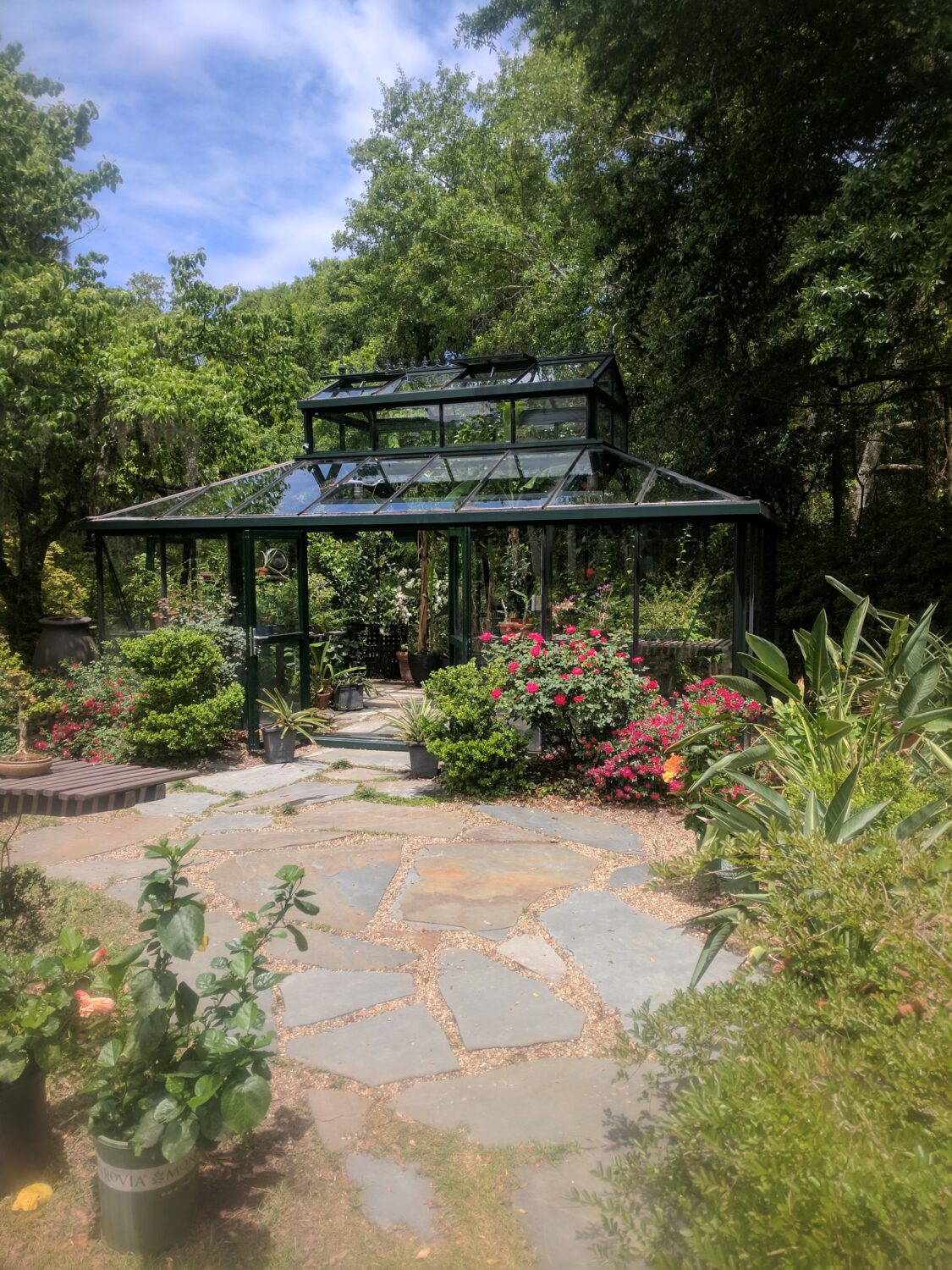
A greenhouse extends the growing season, protects plants from harsh weather, and creates an ideal environment for healthy growth. But when summer arrives, that same sun-trapping design can quickly turn a greenhouse into an oven.
On a sunny day, greenhouse temperatures can rise 10°F to 30°F above outdoor conditions. Without proper greenhouse cooling, plants can suffer from heat stress, poor pollination, blossom drop, sunscald, and reduced yields.
The good news is that keeping a greenhouse cool doesn’t require expensive equipment in most situations. A combination of passive greenhouse ventilation, shading, airflow, and smart watering practices can help maintain healthier temperatures throughout the growing season.
Whether you grow vegetables, herbs, flowers, or tropical plants, these proven cooling strategies can help your greenhouse thrive during the hottest months of the year.
Why Greenhouses Overheat So Quickly
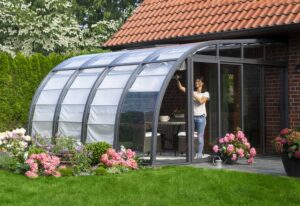
Greenhouses work by allowing sunlight to pass through the glazing while trapping heat inside. During spring and fall, this is a major advantage. During summer, however, solar radiation can build up faster than the structure can release it.
Even when outdoor temperatures feel comfortable, greenhouse temperatures can climb rapidly, especially in structures with limited ventilation or direct sun exposure throughout the day.
When temperatures remain too high for extended periods, plants may experience:
-
- Wilting despite adequate moisture
- Leaf scorch and sun damage
- Poor fruit set and pollination
- Blossom drop in tomatoes and peppers
- Reduced growth rates
- Increased pest pressure
Successful summer greenhouse care focuses on preventing heat buildup before it reaches damaging levels.
1. Maximize Passive Greenhouse Ventilation
The most effective and economical cooling method is often passive greenhouse ventilation. Because hot air naturally rises, greenhouse designs that include roof vents allow excess heat to escape through the highest point of the structure.
As warm air exits through roof vents, cooler outside air enters through lower vents, louvers, or open doors. This natural airflow creates a continuous exchange of air without requiring electricity.
For the best results:
- Open roof vents early in the morning before temperatures peak.
- Keep vents unobstructed by plants or shelving.
- Consider automatic vent openers that respond to temperature changes.
Many experienced greenhouse gardeners consider roof ventilation the single most important feature for summer temperature control.
2. Install Shade Cloth During Peak Summer Months
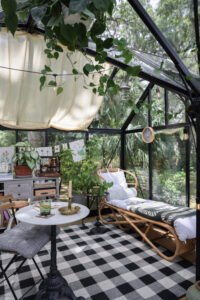
Shade cloth helps reduce the amount of solar energy entering the greenhouse before it becomes heat.
Unlike makeshift shading methods, quality shade cloth provides consistent light reduction while still allowing sufficient sunlight for plant growth. Depending on your climate and crops, gardeners often use cloth that blocks between 30% and 60% of incoming sunlight.
Exterior shade cloth is generally more effective than interior shading because it intercepts sunlight before it passes through the greenhouse glazing.
Plants that commonly benefit from summer shading include:
- Lettuce
- Spinach
- Herbs
- Young seedlings
- Many flowering ornamentals
3. Increase Air Circulation with Fans
Ventilation removes heat from a greenhouse, while circulation fans help distribute air evenly throughout the structure.
Without adequate circulation, hot spots can develop near the roof, walls, or glazing surfaces. Gentle air movement helps create a more uniform growing environment and can reduce humidity pockets that encourage fungal diseases.
Fans should create steady airflow throughout the greenhouse rather than blowing directly onto individual plants.
For larger greenhouses, horizontal airflow (HAF) fans are commonly used to keep air moving continuously.
4. Water Plants Correctly During Hot Weather
Water plays a critical role in summer greenhouse care, but more water is not always better.
Plants use water for both growth and cooling through transpiration. During periods of high heat, soil can dry quickly, especially in containers and raised beds.
To support healthy plants:
- Water deeply rather than frequently and shallowly.
- Water early in the day whenever possible.
- Monitor soil moisture instead of watering on a fixed schedule.
- Use mulch to reduce moisture loss.
Proper watering encourages deeper root systems that are more resilient during periods of extreme heat.
5. Reduce Heat Absorption Inside the Greenhouse
Many gardeners focus only on sunlight, but surfaces inside the greenhouse can also contribute to rising temperatures.
Dark containers, stone surfaces, and dense arrangements of plants can absorb and hold heat throughout the day.
Simple adjustments can help:
- Use light-colored pots when practical.
- Maintain clear pathways for airflow.
- Avoid overcrowding plants.
- Remove unnecessary equipment and storage items.
A less crowded greenhouse not only stays cooler but also promotes healthier plant growth.
6. Consider Evaporative Cooling in Hot, Dry Climates
Gardeners in arid regions often use evaporative cooling systems to lower greenhouse temperatures.
As water evaporates, it absorbs heat from the surrounding air, creating a cooling effect. This can be achieved through professional evaporative coolers, fan-and-pad systems, or other specialized greenhouse cooling equipment.
However, evaporative cooling is most effective in climates with low humidity. In humid regions, increasing ventilation is often more beneficial than adding moisture to the air.
7. Monitor Temperatures and Respond Early
You can’t manage what you don’t measure.
A greenhouse thermometer allows you to track temperature changes throughout the day and identify when cooling measures need adjustment.
Digital thermometers with minimum and maximum temperature recording are especially useful because they reveal temperature spikes that may occur while you’re away.
Many gardeners are surprised to discover how quickly greenhouse temperatures rise during clear summer afternoons.
What Temperature Is Too Hot for a Greenhouse?
The ideal greenhouse temperature depends on the plants being grown. Many vegetables perform best between 65°F and 85°F during the day.
Once temperatures consistently rise above 90°F, heat stress can begin affecting growth and fruit production in crops such as tomatoes, peppers, and cucumbers.
Some heat-loving plants tolerate higher temperatures, while cool-season crops may struggle much sooner.
The goal of greenhouse cooling is not necessarily to create cold conditions but to keep temperatures within a healthy range for your specific plants.
Learning how to cool a greenhouse effectively is one of the most important skills for successful summer gardening.
Start with the fundamentals: maximize passive greenhouse ventilation, provide shade during peak sun exposure, improve air circulation, and maintain proper watering practices. These strategies work together to reduce heat stress and create a healthier environment for your plants. With thoughtful greenhouse cooling methods and consistent summer greenhouse care, your greenhouse can remain productive even during the hottest days of the growing season.