
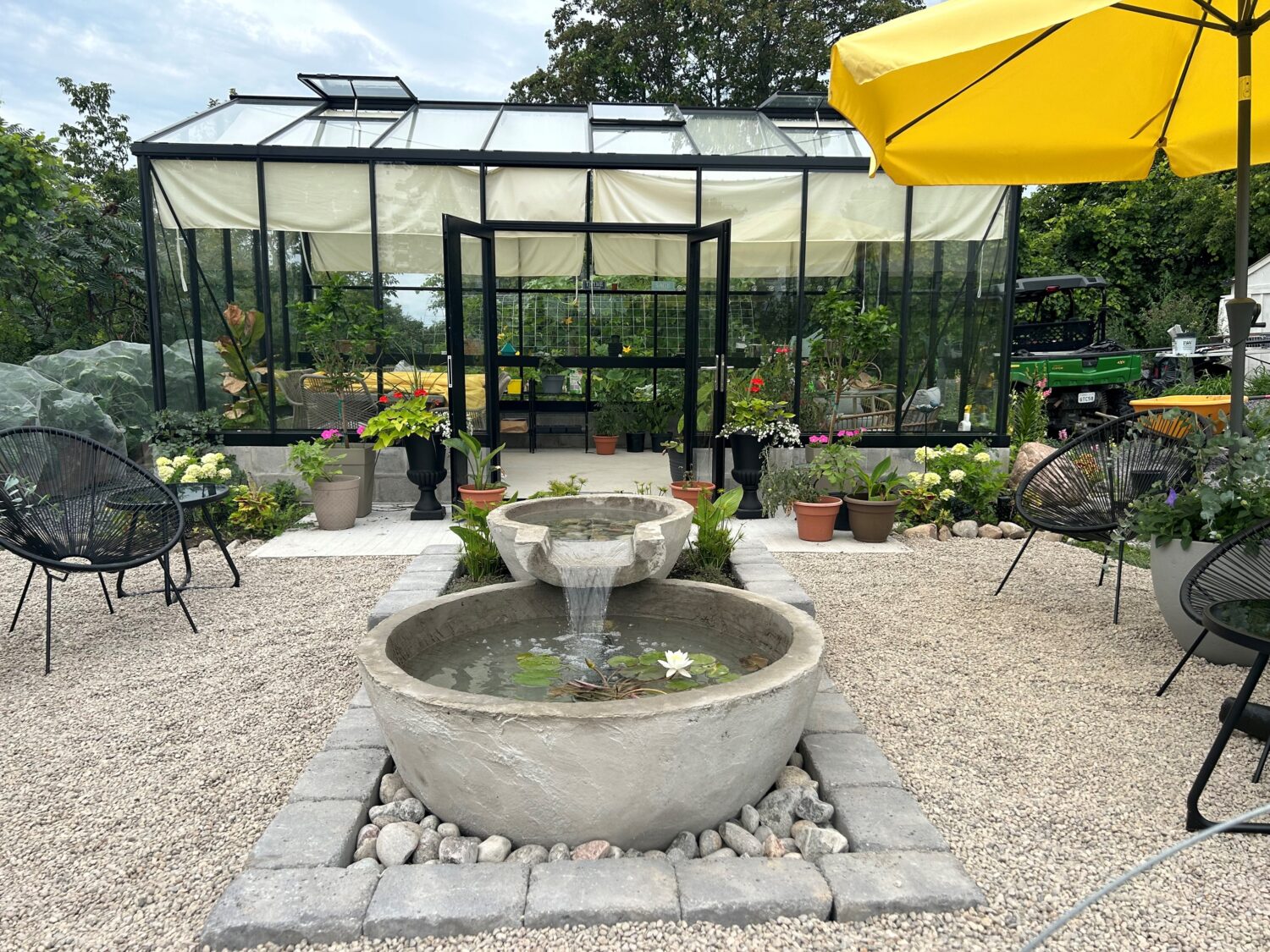
Can you really have a greenhouse in hot climates? If you garden in the south, buying a greenhouse is not quite the same as buying one for a cool northern garden. The dream may be the same: healthy plants, earlier starts, winter protection, citrus trees, tomatoes, flowers, and a beautiful, glassy space in the garden. But the reality is different when summer heat arrives.
In warm regions, a greenhouse can be incredibly useful, but it can also become very hot very quickly. That does not mean you should avoid owning one. It simply means you need to choose your greenhouse thoughtfully, understand how you plan to use it, and be honest about ventilation, shade, and seasonal expectations.
Should You Even Own a Greenhouse in a Hot Climate?
Fair question. In hot climates, greenhouses are often at their best during fall, winter, and spring. They can help protect tender plants, start seedlings earlier, extend the growing season, and create a sheltered place for gardening when outdoor weather is more comfortable.
Summer is different. Without shade, airflow, and cooling, many greenhouses become too hot for active growing during the hottest months. Some gardeners use their greenhouse lightly in summer, move sensitive plants outdoors, or use the space for storage until temperatures settle again.
That may sound funny, but it is also realistic. A greenhouse is still worth owning for many southern gardeners, as long as you understand that year-round use may require extra planning.
Why Greenhouses Get So Hot
A greenhouse is designed to collect and hold warmth. That is exactly what makes it helpful in cold weather, but in hot weather, that same feature can become a challenge.
Sunlight enters the greenhouse, heat builds inside, and without enough ventilation, temperatures can rise quickly. Even a beautiful greenhouse can become uncomfortable for people and stressful for plants if there is not enough airflow.
This is why hot-climate greenhouse planning should begin with one question: how will you move hot air out?
Polycarbonate Greenhouses vs. Glass Greenhouses in Hot Weather
For many hot-climate gardeners, polycarbonate greenhouses can be a practical choice. Polycarbonate helps diffuse sunlight, softening harsh direct rays and reducing some of the glare and plant stress that can happen in intense sun.
The Riga greenhouse line is a strong example of a durable polycarbonate greenhouse built for serious gardeners. Its glazing offers more insulation than many traditional glasshouses, and the diffused light can be helpful in demanding climates.
That said, polycarbonate is not magic. A polycarbonate greenhouse can still get very hot in summer without ventilation, shade cloth, and smart placement.
Glass greenhouses are beautiful, classic, and bright, but they often run hotter than polycarbonate structures in strong sun. For gardeners who love the look of glass, the key is to plan for shade and airflow from the beginning.
Ventilation Is Everything
In a hot climate, greenhouse ventilation may be one of the most important greenhouse features you choose.
A well-planned greenhouse should allow hot air to escape and fresh air to move through the structure. Look for features such as roof vents, side vents, louver windows, automatic vent openers, and the ability to create cross ventilation.
Hot air rises, so roof vents are especially important. Automatic vent openers can also be very helpful because they open and close with temperature changes, even when you are not home.
How to Cool a Greenhouse in Summer
Cooling a greenhouse in summer usually takes a combination of strategies. One solution by itself is rarely enough in very hot weather.
- Use shade cloth or roller shades during the hottest months.
- Open roof vents and side vents early in the day.
- Add circulation fans to keep air moving.
- Use exhaust fans in extreme heat.
- Avoid harsh afternoon sun when choosing placement.
- Keep doors open when weather allows.
- Move sensitive plants out during peak summer heat.
The goal is not always to make the greenhouse cool. Sometimes the goal is simply to keep it from becoming dangerously hot.
Shade Cloth Makes a Big Difference
Shade cloth is one of the simplest and most effective tools for greenhouse cooling. It helps reduce direct sunlight, lowers interior temperatures, protects seedlings, and prevents plant scorching.
Many hot-climate greenhouse owners use shade cloth seasonally, especially from late spring through summer. Common options include 30%, 50%, and even 70% shade cloth, depending on the intensity of the sun and the plants being grown.
For many gardeners, shade cloth is not optional. It is part of making a greenhouse usable in warm weather.
Best Ways to Use a Greenhouse in a Hot Climate
In warm regions, a greenhouse often works best as a seasonal tool rather than a perfect twelve-month growing machine.
It can be excellent for:
- starting seeds before outdoor planting season
- overwintering tropical plants
- protecting citrus and tender plants
- growing herbs, flowers, and vegetables in cooler months
- creating a sheltered garden workspace
- storing garden supplies during extreme summer heat
Once you understand that rhythm, a greenhouse becomes much easier to enjoy.
Garden Rooms for Warm Climates
For homeowners who want more of a lifestyle space than a production greenhouse, garden rooms can be a beautiful option. They offer light, shelter, and a connection to the garden while creating a space for relaxing, entertaining, or enjoying plants in a more flexible way.
In hot climates, many people find that a greenhouse-inspired garden room gives them the atmosphere they want without expecting the space to perform like a commercial growing house all summer long.
So, What Is the Best Greenhouse for a Hot Climate?
The best greenhouse for a hot climate is not simply the one that holds the most heat. It is the one that manages heat well.
For many gardeners, that means choosing a greenhouse with good ventilation, considering polycarbonate glazing, adding shade cloth, planning airflow, and being realistic about seasonal use.
A greenhouse in a hot climate can still be one of the most rewarding additions to a home and garden. It just needs to be chosen with the climate in mind, not against it.
Explore Exaco’s full selection of greenhouses, including polycarbonate greenhouses, glass greenhouses, and garden rooms, to find the right fit for your growing goals and your climate.
We’re here to help! Contact us anytime to speak with a team member. And be sure to check out our comparison guide to understand what sets our structures apart from the rest of the mass-produced greenhouse brands on the market.