
Proper greenhouse ventilation is essential for maintaining healthy plants, controlling humidity, improving airflow, and preventing heat buildup during the warmest months of the year. Summer heat can turn a greenhouse from an ideal growing environment into a stressful one surprisingly fast.
Without adequate greenhouse airflow, temperatures inside a greenhouse can rise well beyond outdoor conditions. Plants may wilt, stop producing, develop fungal disease, or suffer permanent heat damage. A well-ventilated greenhouse stays cooler, drier, and healthier throughout summer.
Why Greenhouse Ventilation Matters
Greenhouses are designed to trap warmth and light, but during summer, that heat retention can quickly become excessive for plant growth. Proper ventilation helps regulate temperature, replenish fresh air, and reduce excess moisture.
Good greenhouse ventilation helps:
- Prevent overheating
- Reduce plant stress
- Lower excessive greenhouse humidity
- Discourage fungal diseases
- Improve pollination
- Strengthen plant growth
- Maintain consistent growing conditions
Even heat-loving plants like tomatoes, peppers, and citrus can struggle when temperatures climb too high without proper airflow, especially if there’s high humidity.
How Greenhouse Airflow Works
Effective greenhouse airflow relies on moving hot air out while drawing cooler air in. Since hot air rises naturally, roof vents are one of the most important ventilation features in any greenhouse.
Roof Vents
Many of our premium greenhouses are designed with integrated roof vents and side ventilation systems that encourage passive airflow without requiring electricity.
Roof vents allow accumulated heat to escape from the top of the greenhouse where temperatures are highest. Automatic roof vent openers are especially helpful during summer because they respond to changing temperatures throughout the day, creating an ideal growing environment, even when you’re not home to open and close roof vents for fresh air.
Adding additional roof vents can significantly improve summer cooling performance, especially in warmer climates.
Louvre Windows
Louvre windows allow cooler air to enter near plant level while warm air exits through roof vents. This natural convection creates continuous airflow throughout the greenhouse.
Combining roof ventilation with side intake ventilation creates one of the most effective passive cooling systems available.
Greenhouse Cooling Strategies for Summer
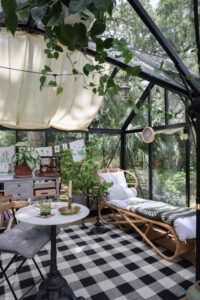
During peak summer temperatures, ventilation alone may not always be enough. Additional cooling strategies help maintain stable growing conditions and reduce heat stress.
Use Shade Cloth
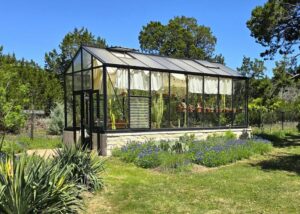
Shade cloth reduces solar heat gain while still allowing beneficial light into the greenhouse. It is one of the most effective ways to improve greenhouse cooling during extreme summer heat.
Options like shade curtains or exterior roof shading systems help protect delicate plants from leaf scorch and overheating.
Different shade percentages can be used depending on plant type and climate conditions. Tender seedlings and leafy greens often benefit from more protection than sun-loving vegetables. You’ll likely need to experiment in your current setup to discover what works for what’s growing and for your climate.
Install Exhaust Fans
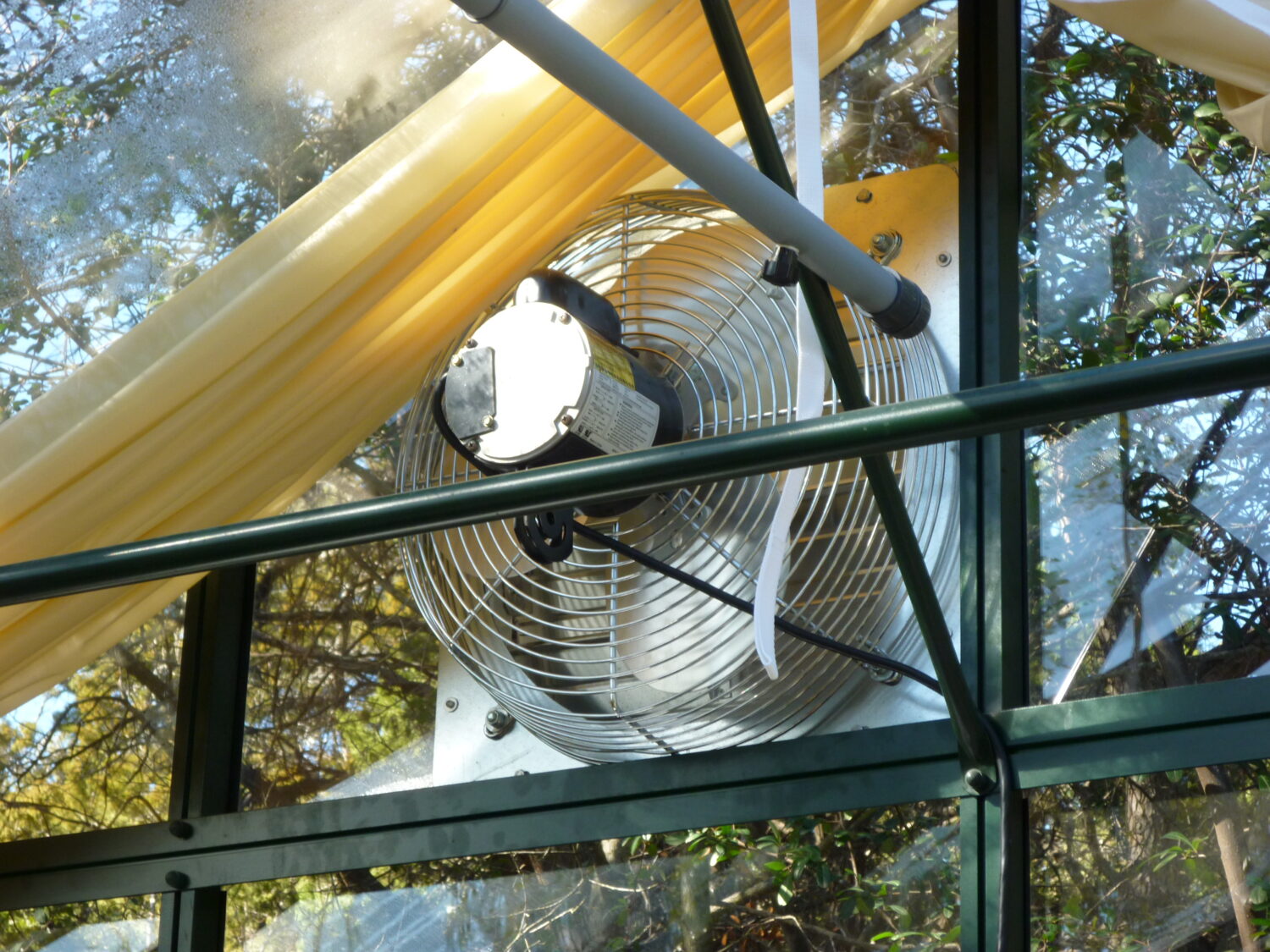
Exhaust fans actively remove warm air from the greenhouse and improve circulation during periods of intense heat or low wind. Mechanical ventilation is especially useful in southern climates where summer temperatures remain high overnight.
Many greenhouse fan and accessory systems are designed specifically for high-humidity growing environments.
Monitor Watering Carefully
Watering plays an important role in temperature and humidity control. Overwatering during hot weather can increase greenhouse humidity and encourage fungal disease. Morning watering is generally best because it allows foliage and surfaces to dry throughout the day while reducing overnight moisture buildup.
Managing Greenhouse Humidity
Humidity rises naturally inside greenhouses during summer due to plant transpiration and evaporation. While some humidity is beneficial, excessive moisture combined with heat can create ideal conditions for fungal disease.
Excess humidity can contribute to:
- Powdery mildew
- Botrytis
- Algae growth
- Root rot
- Condensation damage
Maintaining steady greenhouse airflow is one of the most effective ways to reduce stagnant moisture and improve overall plant health.
Summer Ventilation Tips
- Open vents early in the morning before temperatures rise
- Use shade cloth during intense afternoon sun
- Keep plants spaced properly for better airflow
- Install circulation or exhaust fans in hot climates
- Monitor greenhouse temperatures daily
- Water early to reduce excess humidity overnight
- Check automatic vent openers regularly
Choosing a Greenhouse Designed for Ventilation
Proper ventilation starts with greenhouse design. Features like roof vents, louvre windows, tall rooflines, and integrated accessory systems all improve summer performance in greenhouses and garden rooms.
Many gardeners also add greenhouse accessories such as automatic vent openers, shading systems, and exhaust fans to help maintain more stable growing conditions throughout the season.
Whether growing vegetables, tropical plants, seedlings, or flowers, managing greenhouse ventilation properly helps create a healthier environment during the hottest part of the year. Need help finding the best solutions for your greenhouse? Contact us and we can help your plants stay cool this summer.