
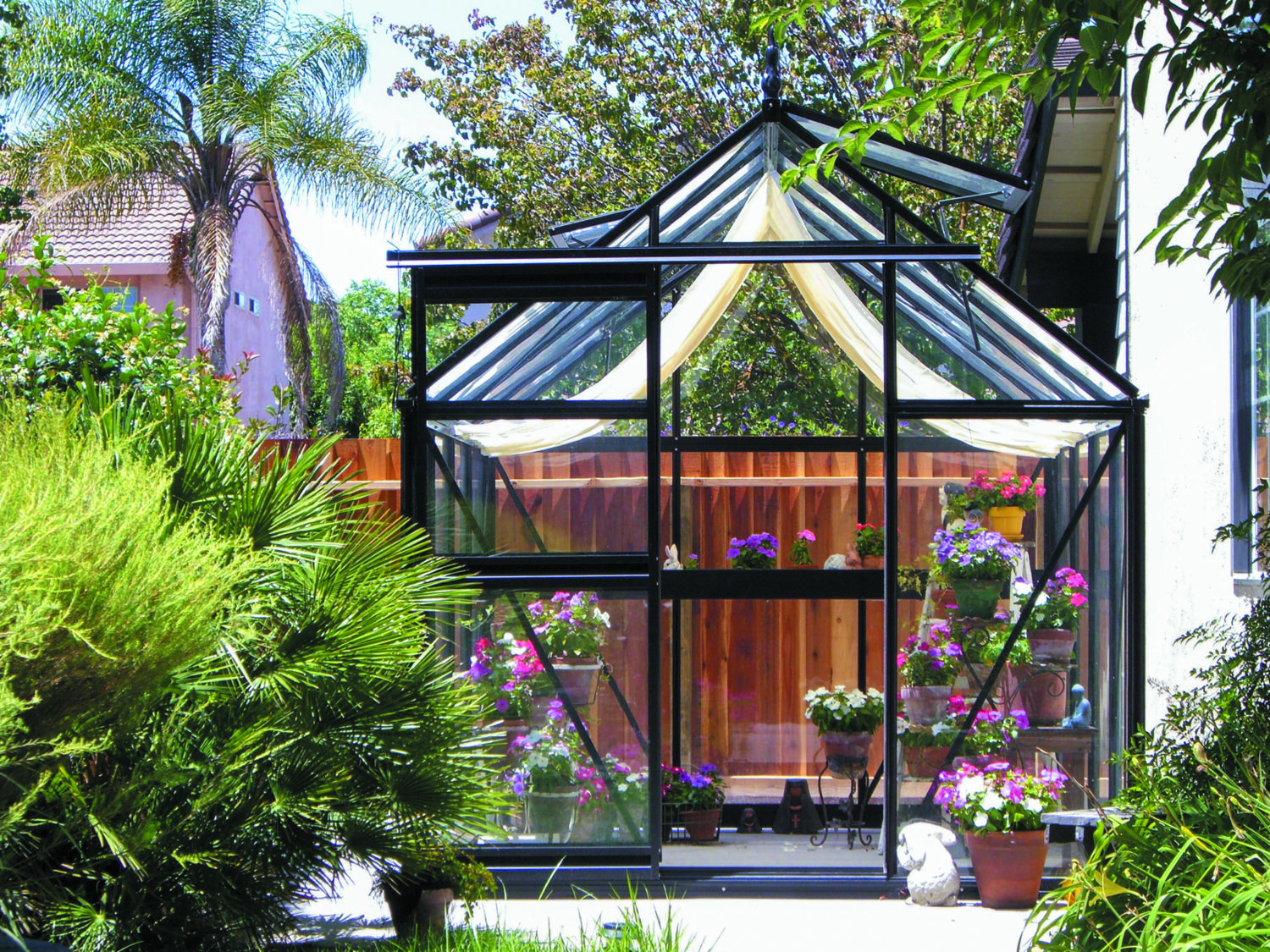
Greenhouse kits make it easier to create a productive, beautiful backyard growing space while extending the season beyond the limits of the weather. More than a garden structure, a greenhouse creates a protected environment where vegetables, herbs, flowers, seedlings, citrus trees, and tropical plants can thrive through changing seasons.
Today’s backyard greenhouse kits combine durable materials, thoughtful engineering, and carefully designed ventilation systems. They allow homeowners to enjoy the benefits of greenhouse gardening without designing and building an entire structure from scratch.
Whether you are starting seeds in early spring, growing fresh produce through summer, or protecting plants during colder months, choosing the right greenhouse begins with understanding the features that matter most. Our greenhouse kits buyer’s guide offers an additional overview of the most important considerations.
Why Choose a Backyard Greenhouse Kit?
A greenhouse kit provides a practical way to create a dedicated growing environment while taking much of the uncertainty out of construction. Modern greenhouse kits are available in a variety of sizes, materials, and architectural styles, from compact growing houses to spacious greenhouses and garden structures.
A backyard greenhouse can help you:
- Extend the growing season.
- Start seedlings earlier in the year.
- Protect plants from frost, wind, hail, and heavy rain.
- Create more stable growing conditions.
- Grow plants that may not thrive outdoors in your climate.
- Enjoy gardening during more months of the year.
For many gardeners, a greenhouse quickly becomes one of the most useful and enjoyable spaces in the backyard.
Choose a Greenhouse That Gives You Room to Grow
One of the most common regrets among greenhouse owners is choosing a structure that is too small.
Gardening interests tend to expand. A few seed trays become rows of potted plants, shelves fill with supplies, and new growing projects appear each season. Choosing a greenhouse kit with additional room provides flexibility while improving airflow and creating a more comfortable place to work.
Consider how much space you may eventually need for:
- Seed trays and propagation stations.
- Greenhouse benches and shelving.
- Raised beds and growing containers.
- Tall plants, citrus trees, or tropical varieties.
- Tools, soil, pots, and watering supplies.
- Fans, heaters, and climate-control equipment.
- A chair or small sitting area.
When space and budget allow, moving up to the next greenhouse size can make the interior more useful for years to come.
Gardeners looking for maximum growing room may want to explore larger models such as the Riga XL greenhouse, while those with smaller yards can compare the full range of available greenhouse styles and sizes.
Consider the Greenhouse’s Interior Height
Floor space is important, but it is not the only measurement that matters. Sidewall height, roof height, and total interior volume affect how spacious a greenhouse feels and what can be grown inside.
Taller sidewalls make it easier to install shelves and benches without limiting headroom. A higher roof also provides more room for tall plants and allows rising heat to collect above the main growing area.
Models such as the Royal Victorian greenhouse combine generous sidewall height with a traditional glasshouse design, creating room for both productive gardening and time spent among the plants.
Quality Materials Make a Lasting Difference
Not all greenhouse kits provide the same level of strength, insulation, weather resistance, or longevity. The frame and glazing materials influence how the greenhouse performs throughout the year.
Aluminum Greenhouse Frames
Aluminum frames are popular because they resist rust, require minimal maintenance, and provide dependable structural support. Unlike materials that need regular painting or sealing, aluminum can remain attractive and functional with relatively little upkeep.
Frame design and profile thickness also matter. Stronger framing can improve rigidity and help the greenhouse perform more reliably in challenging conditions. Our comparison of Janssens Victorian greenhouses and other greenhouse options explains why construction details deserve close attention.
Polycarbonate Greenhouse Panels
Polycarbonate glazing is valued for its durability, insulation, and ability to diffuse sunlight. Rather than allowing intense rays to concentrate in one area, polycarbonate panels distribute light more evenly throughout the greenhouse.
Diffused light can help reduce hot spots and leaf scorch while supporting consistent plant growth. Multiwall panels also trap insulating layers of air, helping slow heat loss during colder weather.
The curved design and polycarbonate construction of the Riga XL greenhouse make it a strong option for gardeners prioritizing insulation, weather resistance, and year-round growing potential.
Tempered Glass Greenhouses
Glass offers exceptional clarity and a timeless appearance. It allows a greenhouse to function as both a productive growing environment and an architectural feature within the landscape.
Tempered safety glass is stronger than ordinary horticultural glass and breaks into smaller pieces rather than large, sharp shards if damaged. Gardeners drawn to a traditional European glasshouse can explore the Royal Victorian greenhouse or learn more about the character of Victorian greenhouses.
Cedar Greenhouse Kits
Cedar greenhouses bring natural warmth and traditional garden character to the landscape. Quality cedar is naturally suited to outdoor environments and complements both classic and contemporary homes.
A wooden greenhouse can become more than a growing space. Designs such as the Octagonal cedar greenhouse can also serve as a quiet garden retreat, reading room, or inviting place to spend time surrounded by plants.
Select the Right Greenhouse for Your Climate
A greenhouse that performs well in a mild coastal setting may not be the best option for a property exposed to heavy snow, strong wind, hail, intense sun, or large seasonal temperature changes.
Choose the greenhouse for the most difficult part of your local climate, not only for pleasant spring weather.
In colder regions, prioritize structural strength, insulated glazing, and the ability to retain warmth. In warmer regions, focus on generous ventilation, shade options, wide doors, and active cooling when needed.
Before choosing a model, review available greenhouse product comparisons to evaluate how materials, framing, glazing, and design differ between greenhouse styles.
Location Is Just as Important as the Greenhouse
Even a well-designed greenhouse kit will perform better when installed in the right location.
Most greenhouses benefit from at least six to eight hours of sunlight each day. Morning sunlight is particularly useful because it warms the structure early and helps dry moisture from plant leaves.
Before choosing an installation site, consider:
- Daily and seasonal sunlight patterns.
- Shade from buildings, fences, and trees.
- Drainage after heavy rain.
- Exposure to prevailing winds.
- Access to water and electricity.
- Distance from the home and garden.
- Space around the structure for maintenance.
- Local setback and permitting requirements.
A convenient location often means the greenhouse will be visited and cared for more frequently. A site near the home can make watering, harvesting, and monitoring temperatures easier throughout the year.
Do Not Overlook the Foundation
A level, stable foundation supports the entire greenhouse. It helps keep the frame square, allows doors to operate correctly, and reduces the risk of movement over time.
The appropriate foundation depends on the greenhouse model, local climate, soil conditions, and intended use. Common options include:
- Concrete slabs.
- Concrete perimeter foundations.
- Concrete footings.
- Treated timber bases.
- Paver foundations.
- Compacted gravel systems.
Review the manufacturer’s foundation requirements before preparing the site. A base that is only slightly out of level can create alignment problems during assembly.
For model-specific installation information, visit our greenhouse assembly and documentation library.
Greenhouse Ventilation Is Essential
Sunlight helps plants grow, but excess heat can quickly become dangerous inside a greenhouse. Even when outdoor temperatures feel comfortable, the greenhouse interior may become significantly warmer.
Proper ventilation releases hot air and excess humidity. It also promotes air movement, reduces condensation, and can help discourage mold, mildew, and certain plant diseases.
Important ventilation features include:
- Roof vents.
- Side vents.
- Louver windows.
- Automatic vent openers.
- Circulation fans.
- Exhaust fans.
- Wide doors that encourage cross-ventilation.
Our guide to greenhouse ventilation in hot weather explains how vents, airflow, shade, and cooling equipment work together during warmer months.
Automatic Greenhouse Vent Openers
An automatic roof window opener can regulate ventilation without electricity. As the greenhouse warms, the opener expands and raises the roof vent. As temperatures fall, it contracts and allows the vent to close.
Automatic openers are particularly helpful during spring and autumn, when daytime temperatures may rise quickly but nights remain cool.
Plan for Greenhouse Cooling
Natural ventilation may be sufficient during mild weather, but many greenhouses require additional cooling during the hottest part of the year.
Cooling strategies may include:
- Opening roof and side vents.
- Using circulation fans.
- Installing an exhaust fan.
- Adding greenhouse shade cloth.
- Using evaporative cooling in dry climates.
- Keeping plants properly watered.
Our guide to greenhouse cooling systems explains when natural airflow may no longer be sufficient and when powered cooling should be considered.
Greenhouse Shade Cloth
Shade cloth reduces the amount of solar energy entering the greenhouse and can help moderate interior temperatures during intense summer weather.
The appropriate shade percentage depends on the greenhouse glazing, local climate, season, and plants being grown. Shade should be used alongside ventilation rather than as a replacement for airflow.
Learn more about selecting, installing, and using greenhouse shade cloth during periods of intense sunlight.
Prepare for Cold-Weather Growing
A greenhouse provides protection from frost and wind, but it does not automatically remain warm throughout winter. The temperature inside will eventually approach the outdoor temperature unless heat is stored or added.
Cold-weather preparation may include:
- Using insulated multiwall polycarbonate glazing.
- Sealing unnecessary drafts.
- Adding thermal curtains or interior insulation.
- Using seedling heat mats.
- Installing a properly sized greenhouse heater.
- Grouping sensitive plants together.
- Monitoring temperatures with a minimum-maximum thermometer.
Your heating requirements will depend on whether you are simply preventing frost, overwintering tender plants, starting seedlings, or actively growing warm-season crops through winter.
Choose Useful Greenhouse Accessories
The right accessories can make a greenhouse more comfortable, organized, and productive. Rather than adding everything at once, begin with the accessories that support your immediate growing plans.
Useful additions may include:
- Seed-tray shelves.
- Greenhouse benches.
- Automatic vent openers.
- Shade curtains or shade cloth.
- Louver windows.
- Circulation fans.
- Thermometers and humidity monitors.
- Drip irrigation systems.
- Plant supports and hanging hooks.
Browse our collection of greenhouse accessories to compare ventilation, shade, shelving, and growing-space options.
Riga owners can also explore accessories designed specifically for Riga greenhouse kits, including storage and climate-control additions.
Plan the Greenhouse Interior Before Assembly
A well-planned interior makes the greenhouse easier and more enjoyable to use. Before assembly is complete, think about how people, plants, tools, and water will move through the space.
Leave enough room for comfortable walking paths and avoid placing benches where they block vents, windows, or doors. Taller plants should be positioned where they will not shade smaller crops unnecessarily.
Consider where you will place:
- Potting benches.
- Seedling shelves.
- Raised beds.
- Watering equipment.
- Fans and heaters.
- Electrical outlets.
- Tools and supplies.
- Seasonal plant storage.
Planning these details early can prevent crowded paths, poor airflow, and inconvenient equipment placement later.
Decide Whether You Want a Growing Space or a Garden Room
Some homeowners want a greenhouse primarily for food production and propagation. Others imagine a bright backyard room that supports both plants and everyday living.
A glass greenhouse can become a destination within the garden, with space for seating, reading, entertaining, or enjoying morning coffee. Architectural models such as the Junior Orangerie greenhouse combine an elegant profile with practical growing space.
For a more customized structure, the greenhouse configurator allows you to explore dimensions, glazing choices, doors, windows, and frame finishes for selected Janssens designs.
Are Greenhouse Kits Difficult to Assemble?
The assembly process varies according to the size, materials, and design of the greenhouse. Smaller greenhouse kits may be manageable for two careful installers, while larger glasshouses often benefit from additional help or professional assembly.
Before beginning:
- Complete and verify the foundation.
- Read the full instruction manual.
- Inventory and organize all components.
- Sort hardware into labeled containers.
- Confirm that the frame is square at each stage.
- Work during calm weather.
- Avoid installing large panels in strong wind.
Rushing the foundation or frame assembly can lead to door, glazing, and alignment problems later. Model-specific manuals and installation resources are available in our greenhouse instructions section.
Compare More Than the Purchase Price
Price is important, but it should not be the only factor used to compare greenhouse kits. A greenhouse is exposed to sunlight, moisture, wind, and temperature changes every day of the year.
Before choosing a kit, compare:
- Frame material and profile strength.
- Glazing material and thickness.
- Wind and snow ratings.
- Number and placement of vents.
- Door height and width.
- Foundation requirements.
- Included accessories.
- Expansion and customization options.
- Replacement-part availability.
- Warranty coverage.
- Manufacturer and distributor support.
Our greenhouse comparison guides can help clarify differences in framing, glazing, construction, and long-term value.
Think Beyond the First Growing Season
A greenhouse can serve a different purpose during every season.
In early spring, it may hold seed trays and young transplants. During summer, it can support tomatoes, peppers, herbs, and heat-loving plants. In autumn, it can extend the harvest. During winter, it may protect citrus trees, tropical plants, succulents, and tender perennials.
A well-built backyard greenhouse kit creates opportunities to grow more, experiment with new varieties, and spend meaningful time in the garden throughout the year.
Finding the Right Backyard Greenhouse Kit
The best greenhouse kit is one that fits your property, climate, growing goals, and plans for the future.
Look for durable construction, appropriate glazing, effective ventilation, and enough space to work comfortably. Think about how the greenhouse will perform during the hottest, coldest, and windiest parts of the year, not only during the first weeks of spring.
Use our greenhouse kits buyer’s guide to continue planning, compare available backyard greenhouse kits, or review our product comparison resources before making your decision.
Whether you are beginning your first vegetable garden, protecting a collection of tropical plants, or creating a peaceful backyard retreat, the right greenhouse kit can transform the way you grow and help you experience the garden in an entirely new way.
ing season in an entirely new way.