
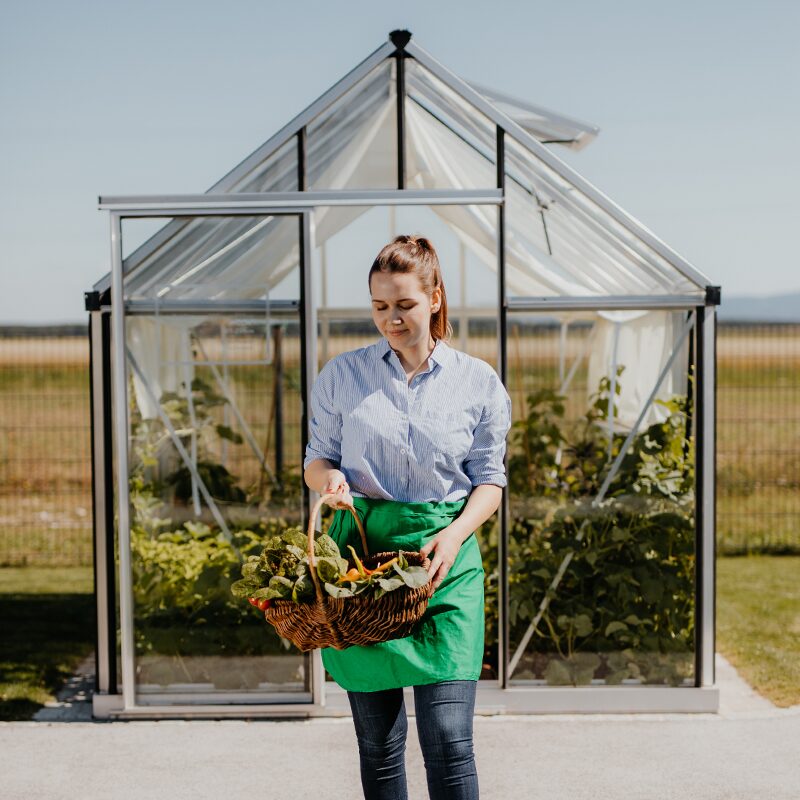
How to Extend the Growing Season With Cold Frames and Greenhouses
Extending the growing season is one of the biggest advantages of using cold frames and greenhouses. Instead of limiting gardening to spring and summer, these simple structures help create a protected environment that allows vegetables, herbs, flowers, and seedlings to thrive earlier in the spring, later into the fall, and in many cases throughout the winter.
Whether you’re hoping to harvest fresh lettuce in late autumn, start tomatoes weeks before the last frost, or protect tender plants from unexpected cold snaps, understanding how cold frames and greenhouses work can dramatically increase what you can grow and when you can grow it.
What Does “Growing Season” Mean?
The growing season is the period of the year when temperatures are warm enough for plants to actively grow. In many parts of North America, that window is limited by the last spring frost and the first fall frost.
Gardeners often assume these dates define the end of their harvests, but by creating a warmer microclimate around plants, both cold frames and greenhouses can significantly extend the growing season.
How Cold Frames Extend the Growing Season
A cold frame functions like a miniature greenhouse. Built with transparent glazing and a low profile, it captures solar heat during the day while protecting plants from wind, frost, and rapid temperature changes.
Cold frames are especially useful for:
- Hardening off seedlings before transplanting.
- Growing cool-season vegetables.
- Protecting herbs from light frosts.
- Overwintering young plants.
- Starting seeds several weeks earlier than outdoor planting.
Because cold frames require little space and no electricity, they’re one of the simplest ways to extend the growing season in almost any garden.
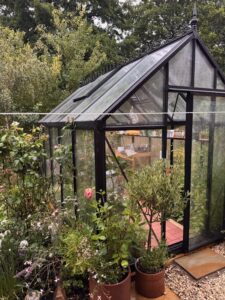
How Greenhouses Create a Longer Growing Season
While cold frames are ideal for smaller growing projects, greenhouses provide a larger, more controlled growing environment.
A greenhouse captures solar energy while protecting plants from cold temperatures, wind, heavy rain, and hail. With proper ventilation, shading, and optional heating, many gardeners are able to grow for months beyond their normal outdoor season.
Depending on your climate, a greenhouse may allow you to:
- Start vegetable seedlings six to eight weeks earlier.
- Harvest leafy greens well into winter.
- Protect citrus and tropical plants.
- Grow tomatoes and peppers longer into autumn.
- Enjoy gardening throughout much of the year.
If you’re comparing greenhouse styles, our greenhouse comparison guides can help you understand the differences in glazing, construction, and performance.
Choose the Right Greenhouse for Your Climate
Not every greenhouse performs the same way. Your local climate should influence the type of greenhouse you choose.
Gardeners in colder regions often benefit from insulated polycarbonate greenhouses, while those in milder climates may prefer the clarity and traditional appearance of tempered glass.
Learn more about available models by browsing our collection of backyard greenhouse kits.
Ventilation Is Essential
One common misconception is that warmer always means better. During sunny days, greenhouse temperatures can climb rapidly, making proper ventilation essential.
Roof vents, louver windows, circulation fans, and automatic vent openers help maintain healthy growing conditions while reducing humidity and plant stress.
For summer growing, our guide to greenhouse ventilation in hot weather explains how to keep temperatures under control.
Growing Season Tips for Every Gardener
- Know your average first and last frost dates.
- Start cool-season crops before warm-weather vegetables.
- Use cold frames for frost protection in spring and fall.
- Ventilate greenhouses on sunny days, even during cooler months.
- Add shade cloth during summer when needed.
- Monitor temperatures with a greenhouse thermometer.
- Water consistently, since protected growing spaces dry differently than outdoor gardens.
Cold Frame or Greenhouse?
If you’re working with limited space or simply want to extend your harvest by a few weeks, a cold frame is often the perfect solution.
If you’re looking for greater flexibility, room to grow, and the ability to garden through multiple seasons, a greenhouse offers significantly more opportunities.
Many experienced gardeners eventually use both, starting seedlings in a greenhouse while using cold frames to transition plants outdoors.
Enjoy a Longer Growing Season
Extending the growing season isn’t about fighting nature. It’s about creating the right environment for plants to thrive when outdoor conditions become less predictable.
Whether you choose a compact cold frame or a full-size greenhouse, these structures help protect plants, improve harvests, and make gardening more enjoyable throughout the year.
Explore our complete collection of greenhouses, cold frames, and greenhouse accessories to create a growing space that keeps your garden productive season after season.