
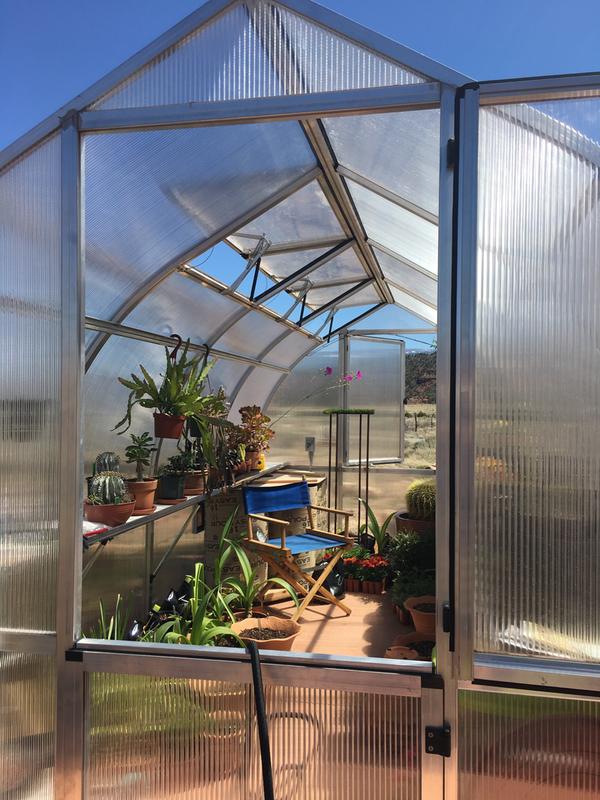
Greenhouse humidity is one of the most overlooked challenges gardeners face. A thriving greenhouse depends on balance. Temperature, light, watering, and airflow all work together to create the ideal growing environment. When humidity levels become too high, problems can appear quickly. Condensation drips from glazing, leaves stay wet for too long, and fungal diseases begin to spread. When humidity is too low, plants can become stressed, growth may slow, and moisture loss increases.
The good news is that most greenhouse humidity problems can be prevented with proper greenhouse airflow and greenhouse ventilation. Understanding what causes excess moisture is the first step toward creating a healthier growing environment.
What Causes High Greenhouse Humidity?
Every greenhouse naturally generates humidity. Plants release moisture through transpiration, soil evaporates water throughout the day, and watering systems add additional moisture to the air.
Problems occur when that moisture has nowhere to go.
Without adequate ventilation, warm humid air becomes trapped inside the greenhouse. As temperatures cool overnight, that moisture condenses onto glass, polycarbonate panels, plant leaves, benches, and other surfaces.
Common causes of excessive greenhouse humidity include:
- Insufficient roof or side venting
- Poor air circulation
- Overwatering
- Crowded plant spacing
- Extended periods of cloudy or rainy weather
- Closed greenhouses during seasonal transitions
Proper greenhouse ventilation helps regulate humidity by removing moist air and replacing it with fresh outside air. It also reduces the likelihood of plant stress and disease. Learn more about greenhouse ventilation in hot weather.
Condensation is often the first visible indicator that humidity levels are too high.
If you regularly see water droplets forming on glazing panels, roof structures, or leaves, excess moisture is accumulating faster than it can escape.
While occasional condensation is normal, persistent moisture creates ideal conditions for disease development. Wet foliage and damp surfaces encourage spores to spread and establish themselves throughout the greenhouse.
Many growers assume condensation is simply part of greenhouse gardening. In reality, it is often a sign that ventilation and airflow need improvement.
How High Humidity Leads to Fungal Issues
One of the biggest risks associated with excessive greenhouse humidity is the development of fungal issues.
Many common greenhouse diseases thrive in humid, stagnant conditions, including:
- Powdery mildew
- Botrytis (gray mold)
- Downy mildew
- Leaf spot diseases
- Damping off in seedlings
These diseases spread rapidly when leaves remain wet for extended periods. Improving airflow around plants often provides one of the simplest and most effective defenses.
Healthy air movement helps foliage dry faster, reduces stagnant moisture pockets, and creates conditions that are less favorable for fungal growth. Proper ventilation and airflow are among the most important tools for disease prevention.
Improve Greenhouse Airflow
Greenhouse airflow is the foundation of humidity control.
Even if vents are open, poor air circulation can leave pockets of humid air trapped among plants and growing benches.
To improve airflow:
- Space plants properly to allow air movement between foliage.
- Remove overcrowded growth when necessary.
- Keep pathways clear.
- Use circulation fans to maintain gentle air movement.
- Position taller plants where they will not block ventilation pathways.
Good airflow promotes stronger plant growth while helping maintain more consistent temperatures throughout the greenhouse.
Optimize Greenhouse Ventilation
Greenhouse ventilation is the most effective way to remove excess humidity.
Roof vents play a particularly important role because warm, moisture-laden air naturally rises. Allowing that air to escape helps regulate both temperature and humidity simultaneously.
Automatic roof vent openers make this process easier by responding to changing temperatures throughout the day without requiring constant monitoring.
For larger structures or challenging climates, active ventilation systems may provide additional control.
Read more about effective ventilation strategies in our article Greenhouse Ventilation in Hot Weather.
Summer Heat and Humidity Often Go Together
Many gardeners focus exclusively on temperature during summer, but heat and humidity are closely connected. As temperatures rise, plants transpire more moisture into the air.
Without adequate ventilation, humidity levels can climb quickly even when the greenhouse feels dry.
Our guide to Essential Summer Greenhouse Maintenance covers seasonal maintenance practices that help reduce excess heat and humidity while keeping plants healthy throughout the growing season.
If you’re planning a greenhouse purchase in a warmer region, you’ll also want to review Greenhouses in Hot Climates: What to Know Before You Buy for climate-specific considerations.
Simple Habits That Reduce Greenhouse Humidity
- Water early in the day whenever possible.
- Avoid overwatering containers and beds.
- Open vents before humidity builds excessively.
- Use circulation fans during humid weather.
- Monitor condensation regularly.
- Remove diseased plant material promptly.
- Maintain adequate spacing between plants.
Small adjustments often produce significant improvements in greenhouse health.
Create a Healthier Growing Environment
Managing greenhouse humidity is not about eliminating moisture. Plants need humidity to thrive. The goal is maintaining balance.
With proper greenhouse airflow, effective greenhouse ventilation, and consistent monitoring, you can reduce condensation, prevent fungal issues, and create a healthier environment for year-round growing.
Whether you’re preparing for summer heat or managing seasonal transitions, the right ventilation equipment can make all the difference.
Shop greenhouse ventilation systems, automatic roof vent openers, exhaust fans, and climate-control accessories to create the ideal growing environment for your greenhouse.