
Introduction
The Aerobin composter is a premium insulated composter that transforms kitchen and garden waste into rich compost without requiring manual turning. The patented lung system represents a significant advancement in aerobic composting technology, enabling homeowners to create compost efficiently while eliminating the physical labor traditionally associated with maintaining a compost pile.
This guide covers everything you need to know about the Aerobin 200 and Aerobin 400 models, including their innovative design features, proper setup procedures, and ongoing maintenance. Whether you’re new to composting or looking to upgrade from a traditional compost bin, this content will help you understand why the Aerobin system delivers superior results with minimal effort.
Direct answer: The Aerobin composter is a sealed, insulated composting bin featuring a patented internal aeration tube that continuously circulates air through your compost material. This eliminates the need for manual turning while accelerating the decomposition process.
By the end of this guide, you’ll understand:
- How aerobic composting technology works and why it produces better results
- The differences between the Aerobin 200 and Aerobin 400 models
- Step-by-step assembly and installation procedures
- Best practices for adding materials and harvesting finished compost
- Solutions to common challenges that may arise during the composting process
Understanding Aerobic Composting Technology
Aerobic composting relies on oxygen-dependent microbes to break down organic materials into nutrient-rich soil amendments. Unlike anaerobic decomposition (which occurs in sealed landfills and produces methane), aerobic composting generates minimal greenhouse gases while creating high-quality compost that benefits your garden.
The Science Behind Aerobin’s Design
The Aerobin’s patented internal aeration tube runs through the center of the unit, functioning as a “lung” that draws fresh air in naturally and releases warm gases generated by decomposition. This continuous airflow feeds the aerobic microorganisms responsible for breaking down your kitchen scraps, dried leaves, and other materials.
The double-wall insulation technology serves a critical function: retaining the heat generated during decomposition. Testing by Swinburne University found that the Aerobin operates up to 10 degrees Celsius hotter than traditional bins. This elevated temperature accelerates the composting process while killing weed seeds and pathogens that might survive in cooler systems.
No-Stir Advantage
Traditional composting requires regular turning to introduce oxygen into the compost pile—physical labor that discourages many homeowners from starting composting. The Aerobin’s continuous airflow through its patented lung aeration system eliminates this requirement entirely.
Simply add your materials through the lid, and the system handles the rest. The aerobic microbes begin transforming your vegetable waste, coffee grounds, and garden waste into composted soil without any intervention. This “drop and forget” approach makes good composting accessible to everyone, including elderly gardeners or those with limited mobility.
The efficiency gains are substantial: you invest minutes adding materials rather than hours turning and monitoring a traditional compost pile.
Aerobin Composter Models and Features
Exaco offers two Aerobin models designed for different household scales and composting volumes, both featuring the same core technology that makes this system exceptional.
Aerobin 200 (55 Gallon Capacity)
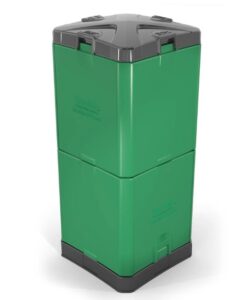
The Aerobin 200 provides 208 liters (55 gallons) of capacity with assembled dimensions of 20” x 20” x 46”. This compact unit is ideal for smaller households generating moderate amounts of kitchen waste and garden materials.
Key features include:
- Insulated walls that maintain optimal temperature year-round
- Central aeration tube for continuous oxygen circulation
- Leachate tank with tap for collecting nutrient-rich compost tea
- Side doors for easy access to finished compost
- 3-year warranty coverage
Aerobin 400 (111 Gallon Capacity)
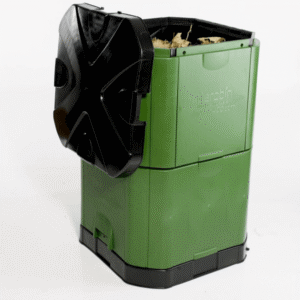
The Aerobin 400 offers 428 liters (111 gallons) of capacity with dimensions of 29” x 29” x 47”. This larger model accommodates substantial volumes of kitchen and garden waste, making it suitable for larger families or serious gardeners.
Enhanced features include:
- Larger leachate tank for increased compost tea production
- Dual access doors on each side for convenient harvesting
- Same premium insulated construction as the Aerobin 200
- Capacity to process both kitchen scraps and significant garden waste simultaneously
Premium Construction Materials
Both models use an 80/20 blend of virgin polypropylene and high-density polyethylene for the exterior, with double-wall insulated polystyrene in the side panels and lid. This heavy-duty construction provides:
- Weather resistance for year-round outdoor operation
- Durability that prevents deterioration under harsh conditions
- Structural integrity that keeps the unit stable in wind
- Sealed design that’s vermin-resistant and pet-proof
The 3-year warranty reflects manufacturer confidence in product longevity. Replacement parts are available through authorized dealers for components that may eventually need service.
Setting Up and Using Your Aerobin Composter
Proper placement and setup ensure your Aerobin delivers optimal performance from day one. Selecting the right location makes a meaningful difference in how efficiently your materials decompose.
Assembly and Installation
Assembly is fairly easy and requires no tools—expect approximately 20 minutes to complete the process.
- Choose location: Select a level, well-ventilated area on solid ground or hard surface. Position with convenient access for adding materials and harvesting compost. For best results, keep the Aerobin close to the house or in a high-traffic, protected area to make regular use easier.
- Unpack components: Identify the base, side panels, lid, aeration tube, and leachate collection tank. Review the instructions before beginning.
- Assemble base and walls: Connect the insulated side panels to the base unit, ensuring secure connections at all joints.
- Install aeration tube: Position the central aeration tube according to instructions—this component is essential for the no-stir function.
- Connect leachate tank: Attach the collection tank and drainage spigot at the base. Verify the unit is level to ensure proper compost tea drainage. You can connect a garden hose to direct liquid to containers.
Operating Your Aerobin System
The composting process works best when you layer materials properly:
Adding materials: Alternate between green materials (nitrogen-rich items like kitchen scraps, vegetable waste, and fresh grass) and brown materials (carbon-rich items like dried leaves, cardboard, and paper). This balance maintains optimal conditions for microbe activity.
Moisture management: Contents should be moist like a wrung-out sponge—not wet or dry. The insulated design helps maintain moisture levels but add water during dry periods or more brown materials if contents become too wet.
Temperature monitoring: The insulated walls retain heat effectively. You may notice warmth when opening the lid—this indicates active decomposition. Year-round operation is possible in most climates thanks to the thermal design.
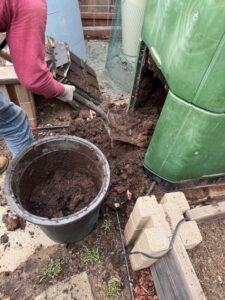
Harvesting finished compost: After approximately 12 weeks, access the lower access doors to remove dark, crumbly finished compost. You can harvest from one side while continuing to add fresh materials through the lid.
Collecting compost tea: Regularly drain the leachate tank to collect liquid fertilizer. This nutrient-rich compost tea can be applied directly to garden plants as a foliar spray or soil drench.
Material Guidelines Table
| Material Type | Acceptable Items | Items to Avoid |
|---|---|---|
| Green (nitrogen-rich) | Kitchen scraps, vegetable waste, coffee grounds, tea bags, fresh grass, egg shells | Meat, fish, dairy products |
| Brown (carbon-rich) | Dried leaves, cardboard, paper, straw, wood chips | Treated or painted wood |
| Manures | Cow manure, horse manure (well-aged) | Pet waste, cat litter |
| Other materials | Weeds (without seeds), soft garden waste | Diseased plants, invasive weeds with seeds |
Following these guidelines ensures efficient decomposition without odor problems or pest attraction.
Common Challenges and Solutions
Even well-designed systems occasionally encounter issues. Here’s how to troubleshoot common problems for optimal performance.
Slow Decomposition
If materials aren’t breaking down within expected timeframes, the mix likely needs adjustment. Add more green materials to increase nitrogen content, which feeds the microbes driving decomposition. Verify the aeration tube is clear of obstructions that might restrict airflow. Also check moisture levels—materials that are too dry decompose slowly.
Unpleasant Odors
A properly functioning Aerobin produces minimal smell due to aerobic conditions. If odor develops, the balance between wet and dry materials needs correction. Add more brown materials like cardboard or dried leaves to absorb excess moisture. Ensure the aeration tube is functioning properly, as restricted airflow can cause anaerobic conditions and unpleasant smell.
Access Door Issues
When the bin is full, the sliding access panels may be difficult to close properly. Be careful not to force panels if compost material is blocking them. Remove some finished compost before closing the side doors to ensure proper fit. This also creates space for continued decomposition of upper materials.
Pest Protection
While the sealed design deters most pests, rodents may attempt to access the unit from below. For best results, keep the aerobin close to your house or in a high-traffic, protected area—this ‘aerobin close’ placement helps deter rodents and prevent pest issues. Install chicken wire mesh beneath the base for additional protection. Alternatively, elevate the composter on concrete blocks to prevent ground-level access. Never add meat, dairy, or trash that attracts pests.
Environmental Benefits
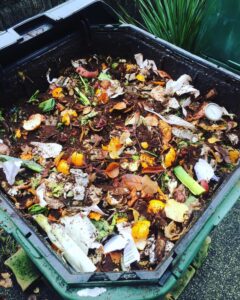
Choosing the Aerobin composter is not just a smart move for your garden—it’s a meaningful step toward a healthier planet. By transforming kitchen and garden waste into nutrient-rich compost, the Aerobin helps you dramatically reduce the amount of organic material sent to landfills. Instead of contributing to methane-producing landfill piles, your kitchen scraps, vegetable waste, tea bags, coffee grounds, and even eggshells are converted into valuable composted soil right in your backyard.
The Aerobin’s insulated composter design and patented aeration tube ensure that the composting process remains aerobic, which is key to minimizing odors and preventing the release of harmful greenhouse gases. This efficient system self-aerates, maintaining the ideal mix of air, moisture, and temperature for microbes to thrive—so you get finished compost in just a few weeks, without the need for manual turning or constant monitoring.
Every time you add a layer of kitchen waste or dried leaves through the lid, you’re helping to create compost that can be used as mulch or soil amendment for your plants. The rich compost produced by the Aerobin improves soil structure, boosts moisture retention, and provides essential nutrients for seeds and established plants alike. Plus, the built-in leachate tank collects compost tea—a potent, natural fertilizer that can be easily dispensed with a garden hose to nourish your garden without synthetic chemicals.
By using the Aerobin 200 or 400, you’re creating a closed-loop system: kitchen and garden waste goes in, and healthy soil and compost tea come out, ready to support your next season’s growth. This cycle not only reduces your household’s environmental footprint but also fosters a thriving, sustainable garden ecosystem.
With easy access panels and side doors, adding materials and harvesting compost is fairly easy, making good composting accessible to everyone—no matter your experience level or available space. The Aerobin’s durable, insulated panels and weather-resistant construction mean you can start composting year-round, confident that your composter will stand up to the elements and continue delivering environmental benefits for years to come.
In short, the Aerobin composter is more than just a bin—it’s a powerful tool for reducing waste, enriching your soil, and supporting a greener future, one compost pile at a time.
Conclusion and Next Steps
The Aerobin composter delivers a superior composting experience through its patented aeration tube, insulated construction, and no-stir operation. This system produces finished compost and valuable compost tea while requiring minimal effort—simply add your kitchen and garden waste through the lid and harvest rich compost from the access doors.
How to get started:
- Measure your available space to determine whether the Aerobin 200 or 400 fits your location
- Evaluate your household’s waste volume to choose the appropriate capacity
- Purchase through an authorized retailer to ensure warranty coverage
- Visit the Exaco showroom in Pflugerville, Texas for a hands-on demonstration
Whether you’re looking to reduce household waste, create nutrient-rich mulch for your garden, or start composting without the physical demands of maintaining a traditional pile, the Aerobin system offers an elegant solution that works year-round.
Additional Resources
- Exaco authorized dealer network for purchase and support
- Assembly videos demonstrating step-by-step installation