
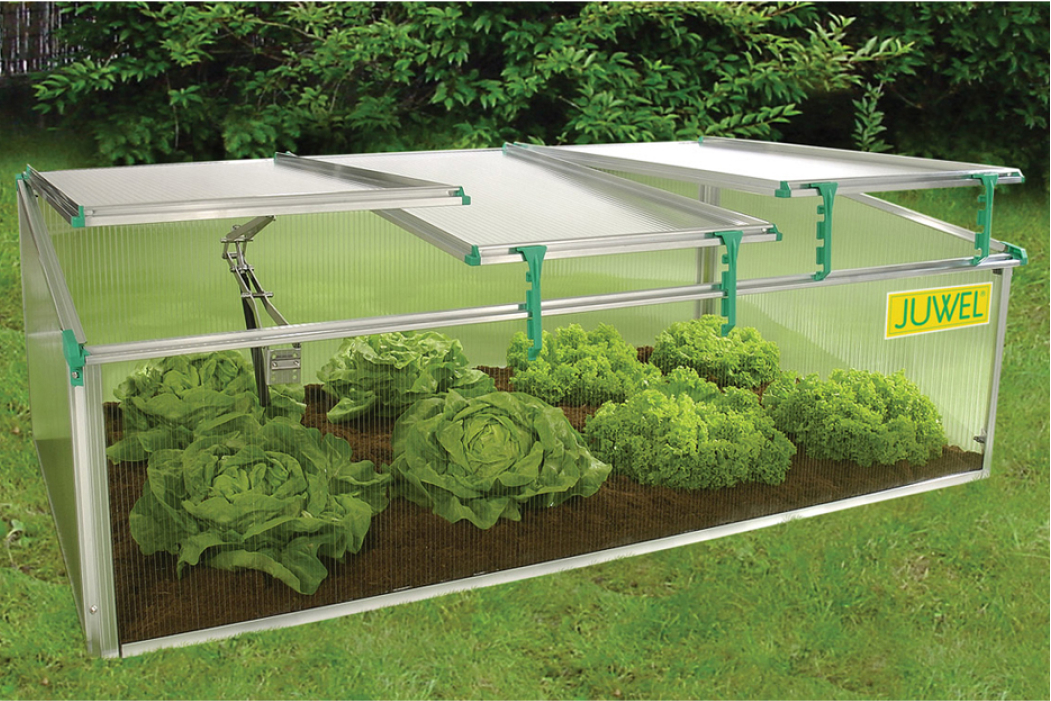
A cold frame is one of the simplest ways to keep gardening when colder weather arrives. By capturing warmth from the sun and protecting plants from wind, frost, and sudden temperature swings, a cold frame creates a sheltered growing space for winter seedlings, cool-season crops, and tender plants that need a little extra protection.
Think of it as a miniature, unheated greenhouse. You get many of the benefits of a protected growing environment without needing a full-size structure, making cold frames especially useful for patios, raised beds, smaller gardens, or gardeners who simply want to extend the season.
How Does a Cold Frame Work?
A cold frame uses a transparent or translucent cover to allow sunlight inside while helping retain some of the resulting warmth. During the day, the soil and surrounding materials absorb heat. As temperatures fall later in the day, that stored warmth helps create a more protected environment than plants would have out in the open.
Unlike a heated greenhouse, however, a cold frame does not maintain a set temperature. Conditions inside will still change with the weather, which is why location, ventilation, and a little attention to the forecast make such a difference.

Where Should You Put a Cold Frame?
Choose a location that receives plenty of winter sunlight, ideally with a southern exposure. A protected spot near a house, garden wall, or other windbreak can provide additional shelter, but avoid placing the frame where a building or evergreen tree will block the low winter sun.
Good drainage matters, too. Your cold frame should sit on a level area where water will not collect around the base. If you are growing directly in the ground, healthy, well-draining soil gives roots a better environment through wet winter weather.
What Can You Grow in a Cold Frame?
Cold frames are particularly well suited to cool-season vegetables such as spinach, lettuce, kale, arugula, radishes, and other hardy greens. Depending on your climate, they can keep established plants producing later into fall or provide a protected place for starting a new winter crop.
They are also useful for overwintering certain tender or young plants that benefit from protection against harsh wind and frost. Just remember that different plants have different temperature tolerances. A cold frame provides protection, but it cannot make a truly cold-sensitive plant winter-hardy.
Using a Cold Frame for Winter Seedlings
Starting seedlings in a cold frame can give you a head start on the growing season without filling every sunny windowsill indoors. Hardy vegetables and flowers are usually the best candidates because they can tolerate cooler nighttime temperatures once they become established.
Watch both the nighttime low and the daytime high before moving young seedlings outside. On particularly cold nights, an additional insulating layer may be helpful, while bright winter sunshine can make the interior surprisingly warm during the day.
If you’re planning ahead for spring, a cold frame can also become an excellent transition space between indoor growing and the open garden. Our guide to starting and growing seedlings can help you plan what to start and when.
Don’t Forget to Vent Your Cold Frame
One of the most important parts of using a cold frame is ventilation. Even when the air outside feels chilly, direct sunshine can raise the temperature inside quickly. Opening or raising the lid allows excess heat and humidity to escape and gives plants better air circulation.
Some of our cold frames make managing ventilation especially easy. The BioStar 1500 Premium Cold Frame, for example, offers a protected growing space designed for season extension, while our other designs give gardeners options for different spaces and growing needs.
Water Less, but Keep Checking
Plants generally use less water during cooler weather, and moisture evaporates more slowly inside a protected frame. Check the soil before watering rather than following a summer watering schedule. Consistently soggy soil combined with cool temperatures can create more problems than slightly dry soil.
Whenever possible, water earlier in the day so foliage and the growing environment have time to dry before nighttime temperatures fall. Ventilation will also help prevent excess condensation from building up inside.
Cold Frame or Greenhouse?
Both can extend your growing season, but they serve different needs. A cold frame is compact, simple, and ideal for protecting smaller groups of plants, starting seedlings, and growing hardy crops. A greenhouse provides considerably more growing room and makes it easier to create a dedicated year-round gardening space.
If winter growing is becoming a bigger part of your gardening plans, read our guide to winter greenhouse growing or explore our advice on how to heat a greenhouse when temperatures really begin to drop.
A Small Space That Can Extend Your Season
A cold frame doesn’t require a complicated setup to make a meaningful difference in the garden. Give it good winter sun, pay attention to ventilation and moisture, and choose plants suited to cooler conditions, and that small protected space can keep seedlings and crops growing long after the weather changes.
Whether you’re protecting winter greens, getting spring seedlings started early, or giving tender plants some extra shelter, our cold frames offer an easy way to keep the garden growing through more of the year.