
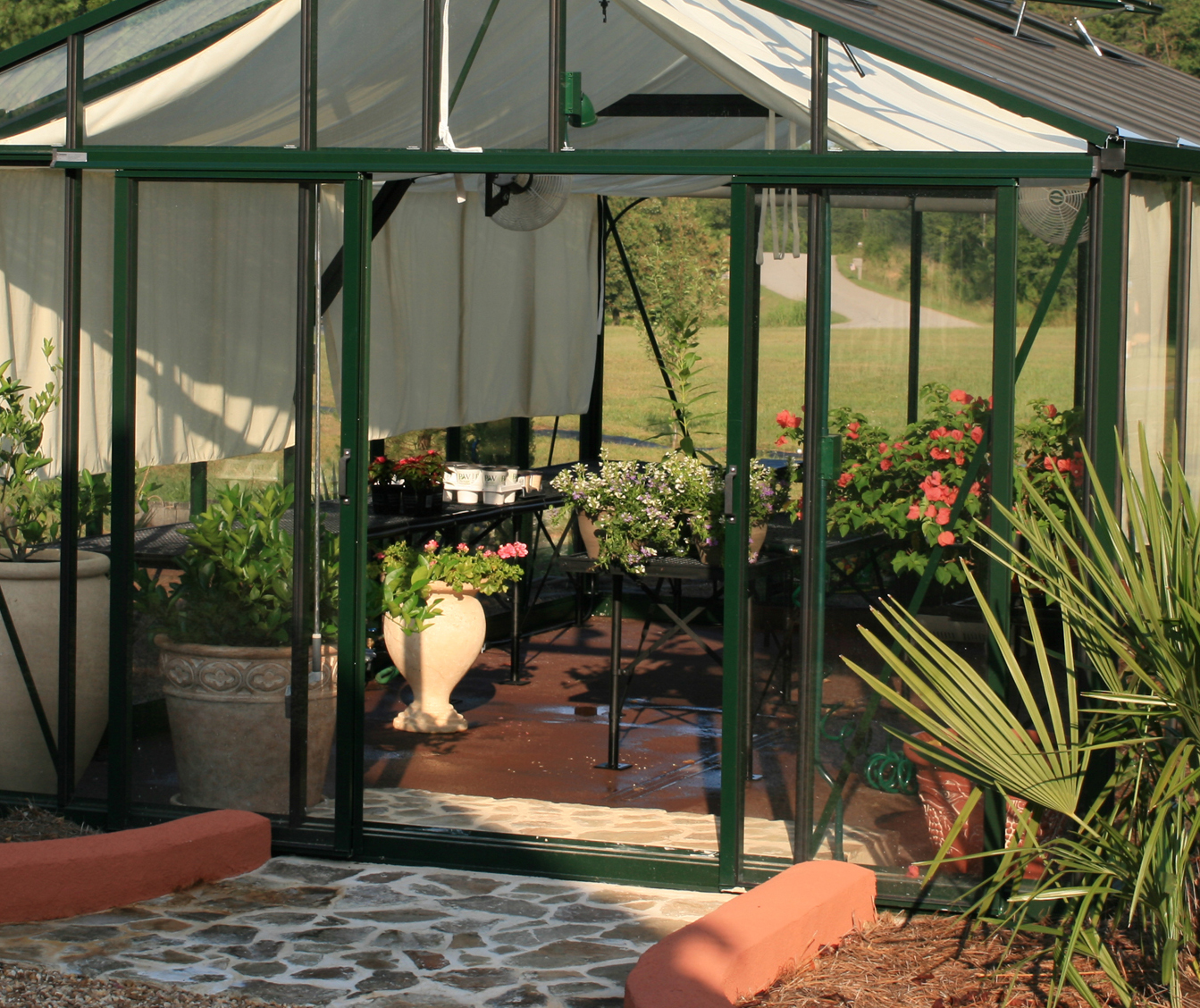
Choosing the right greenhouse flooring is one of the most important decisions you’ll make before your greenhouse is installed. While the structure often gets the most attention, the surface beneath your feet affects drainage, maintenance, accessibility, and even the health of your plants.
The best greenhouse flooring keeps water moving away from the growing area, provides a stable walking surface, and stands up to years of heavy use. The right choice depends on how you’ll use your greenhouse, your local climate, and whether you plan to grow in raised beds, containers, or directly in the ground.
What Makes Good Greenhouse Flooring?
A quality greenhouse floor should do more than simply look attractive. It should:
- Drain excess water efficiently
- Reduce standing puddles and mud
- Provide stable footing when wet
- Support benches, raised beds, and heavy planters
- Require minimal maintenance
- Complement the style of your garden
If you’re still deciding where to place your greenhouse, choosing the right location comes first. Sunlight, drainage, and accessibility all influence the flooring that will work best. Before installation, it’s worth reviewing our guide on greenhouse orientation.
Gravel: One of the Best Greenhouse Flooring Options
For many home gardeners, compacted gravel is one of the best greenhouse flooring choices. It offers excellent drainage, is relatively affordable, and creates a natural appearance that blends beautifully into the landscape.
Crushed limestone, decomposed granite, and angular pea gravel are all popular choices. Because water drains through the surface instead of collecting on top, gravel helps reduce humidity around the floor and minimizes slippery conditions.
Installing landscape fabric beneath the gravel helps suppress weeds while keeping the stone separated from the soil below.
Pros
- Excellent drainage
- Affordable installation
- Easy to repair or refresh
- Natural appearance
Considerations
- Small stones may shift over time
- Not ideal for rolling carts or wheelchairs
- May require occasional topping off
Concrete Floors
Concrete provides an extremely durable greenhouse floor and works well for larger structures, commercial greenhouses, or gardeners who frequently move carts and heavy equipment.
A broom-finished surface offers better traction than polished concrete, especially when wet. Many gardeners include one or more floor drains or slope the slab slightly toward the greenhouse entrance to encourage water runoff.
Concrete also creates an excellent foundation for greenhouse benches and permanent workspaces.
Pros
- Extremely durable
- Easy to clean
- Excellent for rolling carts
- Supports heavy equipment
Considerations
- Higher installation cost
- Poor drainage unless designed with drains or slope
- Can become hot during summer
Pavers and Brick
Concrete pavers and traditional brick offer a timeless look that pairs beautifully with Victorian-style greenhouses. When installed over a compacted gravel base with sand-filled joints, they provide excellent drainage while creating a finished garden appearance.
Pavers are particularly popular around decorative greenhouses because they extend the architectural style beyond the structure itself.
If you’re designing a classic garden space, you may also enjoy these English garden ideas for Victorian glasshouses.
Pros
- Beautiful appearance
- Long-lasting
- Individual pavers are easy to replace
- Good drainage when properly installed
Considerations
- More labor-intensive installation
- Can settle if the base isn’t properly prepared
Stone Flooring
Natural flagstone creates a distinctive garden look while offering good drainage when laid over a gravel base. Irregular stone patterns complement cottage gardens and traditional landscapes and help create a greenhouse that feels integrated into the surrounding garden.
Stone typically costs more than gravel or concrete but provides exceptional character and longevity.
Permeable Pavers
Permeable paver systems are designed specifically to allow rainwater and irrigation water to move through the surface into the ground below. They combine the clean appearance of traditional pavers with superior drainage and are an excellent choice in areas that receive frequent rainfall.
Should You Leave Soil Inside the Greenhouse?
Some gardeners prefer leaving portions of the greenhouse floor as exposed soil for growing directly in the ground. While this can work well for certain crops, it also introduces more moisture, weeds, insects, and potential drainage issues.
Many gardeners choose a combination approach by installing permanent walkways with gravel or pavers while reserving dedicated planting areas for in-ground beds.
Flooring for Raised Beds and Container Gardening
If you plan to grow primarily in containers or raised garden beds, drainage becomes even more important. Water flowing from containers needs somewhere to go, making gravel or permeable surfaces ideal beneath benches and growing tables.
This type of layout also makes it easier to rearrange plants throughout the season while keeping the greenhouse clean and accessible.
Which Greenhouse Flooring Is Best?
There isn’t one perfect flooring solution for every greenhouse, but there are excellent options depending on your priorities.
- Best overall: Compacted gravel for excellent drainage and affordability.
- Best for durability: Concrete with proper drainage.
- Best appearance: Brick or concrete pavers.
- Best natural look: Flagstone over a gravel base.
- Best drainage: Permeable pavers or compacted gravel.
The best greenhouse flooring is one that keeps water moving, supports the way you garden, and complements the style of your landscape. By planning your floor as carefully as the greenhouse itself, you’ll create a space that’s easier to maintain and more enjoyable to use throughout the growing season. Need help making the right choice on greenhouse flooring? Our expert team is here to help! Contact us today and we can begin planning your dream greenhouse together.