
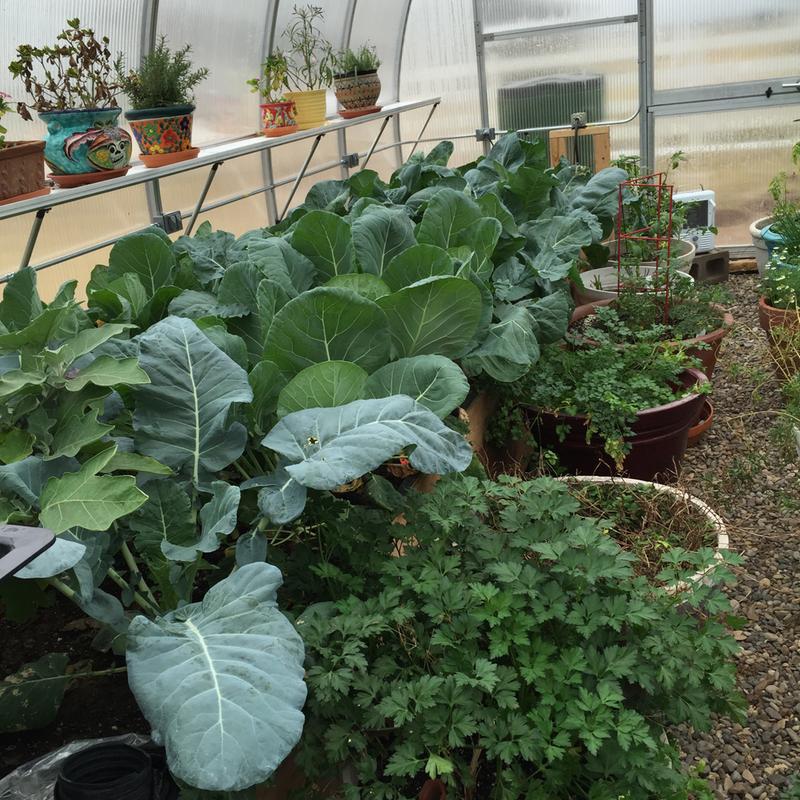
Growing fall crops in a greenhouse is one of the easiest ways to extend the gardening season. While many summer vegetables begin to decline as temperatures cool, a greenhouse provides the ideal environment for starting cool-season vegetables that thrive in autumn’s milder weather.
Whether you’re hoping to harvest crisp lettuce, sweet carrots, or nutrient-rich kale, starting seedlings before temperatures drop gives plants time to establish while days are still long. With a little planning, your greenhouse can continue producing fresh vegetables well into fall—and often through winter.
Why Start Fall Crops in a Greenhouse?
Greenhouse fall gardening offers several advantages over direct sowing outdoors. Young seedlings are protected from heavy rain, strong winds, hail, insects, and sudden temperature swings while developing stronger root systems before being transplanted or grown to maturity inside the greenhouse.
Starting seeds under cover also gives you greater control over watering, airflow, and light, resulting in healthier plants and more reliable harvests.
If you’re planning a new greenhouse, choosing the right location is just as important as choosing the greenhouse itself. Before setting one up, it’s worth learning about greenhouse orientation so your plants receive the maximum amount of sunlight throughout the growing season.
When Should You Start Fall Crops?
The best planting time depends on your USDA Hardiness Zone and your average first fall frost date. Most cool season crops should be started about six to ten weeks before your area’s average first frost.
As a general guideline:
- Northern climates: Late July through early August
- Moderate climates: Early to mid-August
- Southern climates: Late August through September
Starting early allows seedlings to mature while daylight is still abundant, giving them a strong start before cooler weather arrives.
The Best Fall Crops to Grow in a Greenhouse
Many vegetables actually improve in flavor after experiencing cool nights or a light frost. These crops are well suited for greenhouse growing during late summer and fall.
- Lettuce
- Spinach
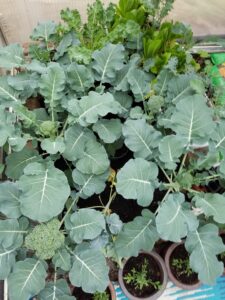
- Kale
- Swiss chard
- Arugula
- Bok choy
- Mustard greens
- Broccoli
- Cabbage
- Cauliflower
- Brussels sprouts
- Carrots
- Beets
- Radishes
- Turnips
- Green onions
- Parsley
- Cilantro
- Dill
Leafy greens are especially rewarding because many can be harvested multiple times using the “cut-and-come-again” method.
Start Seeds in Trays for Stronger Plants
Using seed trays or small pots makes it easier to control moisture while encouraging healthy root development. Fill trays with a quality seed-starting mix rather than garden soil, keep the growing medium evenly moist, and provide plenty of light as soon as seedlings emerge.
Good airflow is equally important. Warm, humid conditions can encourage fungal diseases like damping-off, especially when seedlings are crowded together. Roof vents, side vents, or open doors help improve air circulation and maintain healthier growing conditions.
If your greenhouse tends to overheat during late summer afternoons, our guide to greenhouse cooling systems explains simple ways to regulate temperatures while protecting young seedlings.
Monitor Temperatures Closely
Although you’re preparing for fall, greenhouses can still become surprisingly warm during August and September.
Most cool-season vegetables germinate best when soil temperatures remain between 60°F and 75°F. If daytime temperatures rise too high, increase ventilation or use shade cloth to reduce heat buildup during the hottest part of the day.
Checking greenhouse temperatures daily helps improve germination rates and reduces stress on young plants.
Practice Succession Planting
Rather than sowing every seed at once, plant small batches every one or two weeks. Succession planting provides continuous harvests throughout the fall instead of producing everything at the same time.
Fast-growing crops such as lettuce, spinach, arugula, radishes, and baby greens are excellent candidates for this approach.
Grow Fall Crops in Raised Beds or Containers
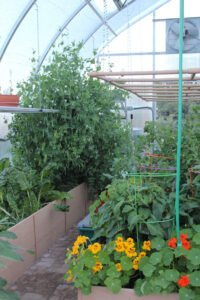
Many gardeners grow fall vegetables in containers or raised garden beds inside the greenhouse. Raised beds provide excellent drainage, warm more quickly than in-ground soil, and make harvesting more comfortable throughout the season.
Containers also allow you to move plants as sunlight shifts during the fall months.
Adjust Watering as the Weather Changes
As temperatures cool and daylight hours shorten, plants generally require less water than they do during midsummer.
Water thoroughly when needed, but allow the soil surface to dry slightly between waterings. Overwatering becomes more common during fall because cooler temperatures slow evaporation inside the greenhouse.
Protect Plants from Early Frosts
One of the greatest benefits of greenhouse growing is the protection it provides when early frosts arrive. Even an unheated greenhouse captures solar warmth during the day, helping moderate nighttime temperatures.
When colder weather is forecast, floating row covers or frost blankets placed over crops inside the greenhouse add another layer of insulation and can extend harvests for weeks.
Prepare Your Greenhouse Before Fall Arrives
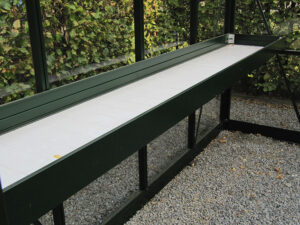
Before starting fall crops, take time to clean benches, sanitize seed trays, inspect vents, and check that doors and windows operate properly. A quick seasonal maintenance routine helps improve airflow, reduce disease pressure, and prepares your greenhouse for months of productive growing.
If you’re building a new greenhouse or upgrading an existing one, it’s also worth reviewing different greenhouse foundation ideas and choosing the right greenhouse flooring to improve drainage and create a more comfortable workspace.
Enjoy Fresh Harvests Long After Summer Ends
Starting fall crops in a greenhouse allows you to enjoy fresh vegetables long after outdoor gardens have slowed down. By planting early, managing temperatures carefully, and choosing reliable cool season crops, you can continue harvesting lettuce, greens, herbs, and root vegetables throughout autumn—and in many climates, well into winter.
With thoughtful planning, greenhouse fall gardening transforms the changing seasons into an opportunity for another productive harvest instead of the end of the growing year.