
By Jodie Michalak
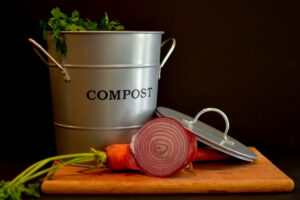
Whether you’re new to composting or what some may call a master of the science, a kitchen compost pail is a must-have product for collecting kitchen scraps for your compost pile, where they can begin the next step of decomposition.
Few gems in gardening can compare to the benefits of compost. The organic material improves your soil and diverts organic waste from landfills, reducing greenhouse gas emissions and methane production, a major contributor to climate change. Composting is good for the planet and is a sustainable way to feed your garden and plants with homegrown goodness, which some call “Black Gold.”
How can you incorporate composting into your gardening routine, and why is it so important for your garden? Together, we will discover the wonders of compost and how it can improve your growing experience.
The Ancient Roots of Composting
Composting is as old as time. Long before we knew the dangers of landfills and their environmental effects, our ancestors were practicing composting. The Greek, Roman, Chinese, Japanese, Scottish, and Native American cultures reused organic waste (since the Stone Age). Although they may not have relied on products like a kitchen compost pail to make scrap collection easier, they still took natural resources such as fish, manure, fish waste, and plant materials to fertilize their crops.
What Is Compost? Nature’s Gift
When organic materials, such as fallen leaves, grass clippings, and kitchen waste, break down over time, they become compost. Appropriately layered in a composting pile or a bin, the material slowly turns into a nutrient-rich addition that should be mixed into garden beds and potted plants to help grow healthy plants. While fertilizer adds nutrients to support plant growth, compost provides nutrients and improves soil structure and health.
The Benefits of Composting
Composting is a very basic process. You can put yard clippings into a pile and let nature do the rest in its own time. Compost will happen, yet it will happen very, very slowly. However, when you provide a balanced diet for the organisms that do the work of composting, you speed up the entire process.
Composting is a great way to deal with kitchen scraps and yard waste. It keeps that material out of the landfill, which is better for everyone. Not only that, it makes fantastic soil. Think of it as a vitamin boost for your garden.
Compost also helps the soil hold onto water, so you don’t have to water your plants as often. And it’s like a party for the soil’s helpful little bacteria and fungi. They munch on the organic matter and turn it into this super-rich food that plants love.
Why Use a Kitchen Compost Pail?
Not all kitchen compost pails are created equal. While some gardeners opt for a regular lidded coffee can to store kitchen scraps, a kitchen compost pail with a lid and a filter reduces odors.
A kitchen compost pail with a one-to-two-gallon capacity is a good size for the average household, making collecting kitchen scraps easy. By the time it is full of kitchen scraps, apple peelings, old lettuce leaves, tea bags, etc., it’s time for it to go into your outdoor compost bin, where it will mature. Too big of a container, and it’s likely to attract fruit flies.
If you have children, add emptying the compost pail to one of their household chores to help foster sustainability. Being a good steward of the earth means living responsibly and protecting our valuable resources to minimize waste and ensure a healthy planet for future generations. Small steps like utilizing a kitchen compost bin to collect your scraps are just one thing you can do to make a difference.
What to Compost
Compost may be made up of “brown waste,” such as leaves and branches, or “green waste,” such as fruit and vegetable scraps. The ideal mix is 2/3 “browns” and 1/3 “greens”.
- Vegetables
- Tea/coffee
- Nutshells
- Eggshells
- Fruit
- Houseplants
- Paper napkins
What Not to Compost
- Sawdust from treated wood
- Grease & oil
- Meat