
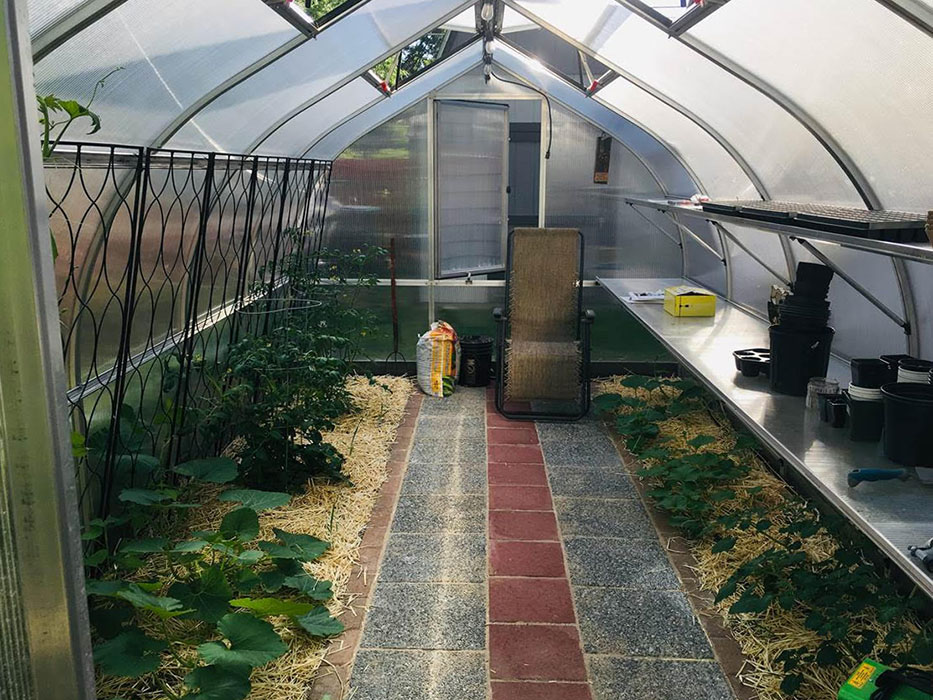
A solid greenhouse foundation and practical flooring aren’t just about keeping things level—they help manage temperature, moisture, and even pests. Whether you’re installing a Victorian-style showpiece or a functional grower’s house, here’s what to consider when building from the ground up.
Why Foundation Matters
A greenhouse foundation anchors the structure, prevents warping or shifting, and helps protect against wind and frost heave. It also plays a key role in temperature regulation and drainage. Depending on your climate, budget, and the type of greenhouse, your foundation options will vary.
Common Greenhouse Foundation Types:
-
Concrete Slab: Durable and clean, ideal for permanent greenhouses. Offers excellent support but can limit drainage.
-
Concrete Perimeter (Curb or Stem Wall): A border of concrete with open ground or gravel inside. Great for combining structure with natural drainage.
-
Timber Base: Pressure-treated wood frames the perimeter; simple, affordable, and often used for smaller or temporary greenhouses.
-
Paver or Brick Footings: Aesthetic and functional—provides stability with some breathability for water movement.
-
Ground Anchors or Augers: Best for lighter structures and temporary installations. Quick to install, but less durable.
Flooring Options: Function Meets Comfort
The floor of your greenhouse impacts drainage, maintenance, and how enjoyable your space is to walk and work in. While some gardeners skip flooring entirely, a good hybrid setup can dramatically improve usability.
Popular Greenhouse Flooring Choices:
-
Gravel: Excellent drainage, affordable, and easy to install. You can pair it with steppingstones for stable footing.
-
Concrete: Clean, smooth, and long-lasting—great for rolling carts or setting up benches, though it can be cold and reduce natural drainage.
-
Pavers or Bricks: Visually appealing, semi-permeable, and easy to replace or rearrange.
-
Mulch or Wood Chips: Inexpensive and soft underfoot but can harbor pests or mold over time.
-
Soil Beds: Best for in-ground planting. You can border these with other flooring types to create a hybrid setup.
Why Hybrid Flooring is an Excellent Choice
Yet another option for greenhouse flooring is what’s known as a hybrid floor. This means a mixture of two materials and can be an ideal solution that’s cost-effective and functional depending on your needs. Examples of hybrid flooring include:
-
Gravel + steppingstones/pavers: Gravel allows drainage; pavers create walking paths.
-
Concrete walkways + soil beds: Concrete offers stability for carts/shelves, while exposed soil areas allow direct planting.
-
Raised decking + mulch or gravel: Decking prevents muddy footing; mulch/gravel supports drainage elsewhere.
Final Tips Before You Build
-
Check if your greenhouse needs a building permit—some permanent foundations trigger local code requirements.
-
Consider insulation needs for winter growing—certain foundations retain or lose heat more quickly.
-
Plan for water drainage and airflow—especially if you’re installing irrigation or misting systems.
A Strong Start Grows Great Things
No matter how beautiful your greenhouse design, it all starts from the bottom. Choose the right foundation and floor for your space, and you’ll set yourself up for seasons of success.